Top Benefits of High Density Eva Foam for Global Buyers?
High Density Eva Foam has gained significant attention among global buyers for its remarkable properties and versatility. As industry expert Dr. Emily Carter states, “The resilience and durability of High Density Eva Foam make it indispensable across various sectors.” This material is not only robust but also lightweight, making it ideal for applications ranging from sports equipment to automotive components.
In recent years, the demand for High Density Eva Foam has surged. Buyers appreciate its ability to absorb shock and provide comfort. Industries such as footwear, packaging, and mattresses benefit greatly from its cushioning effects. High Density Eva Foam's closed-cell structure also offers moisture resistance, adding to its appeal.
However, it’s important to consider potential drawbacks. Some manufacturers might cut corners, affecting quality. Buyers should prioritize sourcing from reputable suppliers. Transparency in sourcing ensures that the High Density Eva Foam meets necessary safety and performance standards. As the market grows, being informed is essential for making wise purchasing decisions.
Top Benefits of High Density Eva Foam for Global Buyers
High density EVA foam has gained significant traction in various industries, making it a prime choice for buyers worldwide. It offers outstanding durability and resilience, making it ideal for flooring, sports equipment, and cushioning products. According to a recent industry report by Research and Markets, the global EVA foam market is projected to grow at a compound annual growth rate (CAGR) of 5.2% from 2022 to 2027. This growth indicates a rising demand for high density EVA foam in diverse applications.
One of the key benefits of this material is its excellent shock absorption qualities. It can effectively reduce impact, which is crucial in sports and recreational gear. For instance, gym mats made of high density EVA foam can reduce injury risks during workouts. Furthermore, its lightweight nature makes transportation and handling convenient, providing additional value to buyers. However, sourcing high density EVA foam can sometimes be complicated. Variation in quality between suppliers can raise concerns about product reliability.
High density EVA foam is also resistant to moisture and UV radiation, enhancing its longevity in outdoor applications. A study by Technavio highlights that applications in the automotive sector contribute significantly to market expansion. Manufacturers are increasingly integrating high density EVA foam for sound insulation in vehicles. While these benefits are substantial, buyers should remain vigilant about production standards and environmental impact. Balancing cost and sustainability remains a challenge in the market today, necessitating careful consideration by global buyers.
Top Benefits of High Density EVA Foam for Global Buyers
Understanding High Density Eva Foam: Composition and Properties
High-density EVA foam is gaining popularity among global buyers due to its unique composition and properties. Composed primarily of ethylene and vinyl acetate, it exhibits great flexibility and durability. The closed-cell structure provides excellent shock absorption, making it ideal for various applications including sports mats and packaging materials. According to a market analysis by Research and Markets, the EVA foam market is expected to grow significantly, reaching over $19 billion by 2027.
One notable benefit of high-density EVA foam is its resistance to moisture and UV damage. This makes it suitable for both indoor and outdoor applications. Additionally, this material is lightweight yet strong, making it easier to transport and handle. Many professionals recommend considering its thermal insulation properties as well. This foam can provide effective insulation against temperature fluctuations. However, it is important to recognize that not all high-density EVA foams offer the same quality. Variability in manufacturing can lead to inconsistent performance.
Tips: When selecting EVA foam, check for certifications or quality standards. Look for detailed specifications related to density and load-bearing capabilities. Always test samples whenever possible before making a bulk purchase. Doing so can save time and resources in the long run. It’s wise to weigh both cost and performance to find the best option for your needs.
Key Advantages of High Density Eva Foam in Various Industries
High-density EVA foam has become increasingly popular across various industries due to its exceptional properties. This versatile material offers excellent durability and flexibility, making it suitable for applications ranging from footwear to automotive interiors. In the sports industry, EVA foam provides superior shock absorption, which enhances comfort and performance for athletes. Users appreciate how lightweight and resilient it is, allowing for prolonged use without discomfort.
Additionally, high-density EVA foam is known for its resistance to moisture and UV radiation. These features make it ideal for outdoor applications, such as marine equipment and playground surfaces. The foam's ability to maintain its shape under stress is also vital for packaging and protective cases. While the advantages are clear, it’s essential for manufacturers to assess their specific needs. Finding the right density and formulation can be challenging, as not all high-density foams perform the same under varying conditions.
Trust in the material's reliability stems from extensive testing and practical use in diverse environments. Feedback from industry professionals highlights both its strengths and limitations, prompting continuous improvements. This iterative process ensures that high-density EVA foam evolves to meet market demands effectively. As industries grow, so will the need for innovative applications of this remarkable material.
Market Demand and Growth Trends for High Density Eva Foam
The growing market demand for high-density EVA foam reflects its versatility and application across various industries. This material is widely used in sports, packaging, and consumer goods due to its durability and shock-absorbing properties. Buyers are increasingly recognizing its potential as a lightweight yet strong solution for protective purposes. The shift towards sustainable materials is also pushing growth, making EVA foam an attractive option for eco-conscious businesses.
Recent trends suggest that more manufacturers are investing in innovative production techniques to enhance foam quality. This focus on quality allows for better performance in demanding applications, such as in athletic gear and automotive interiors. As competition increases, some buyers express concerns over sourcing reliable suppliers. They must vet production processes and material certifications to ensure they receive the best products. By aligning with trustworthy manufacturers, buyers can mitigate risks and cater to their customers' needs effectively.
The demand for high-density EVA foam is expected to rise, driven by its diverse applications and the ongoing trend of sustainability. However, buyers should also remain vigilant about changing market dynamics and pricing fluctuations. Understanding these factors can aid in making informed purchasing decisions, ensuring that investments yield long-term benefits.
Applications of High Density Eva Foam in Consumer Products and Packaging
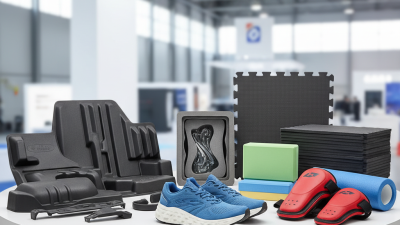
High-density EVA foam is gaining traction in consumer products and packaging. Its unique composition makes it ideal for various applications. In footbed inserts and cushioning materials, the foam offers excellent support and comfort. This has led to its widespread use in footwear and athletic gear, enhancing user experience significantly.
Beyond footwear, high-density EVA foam is essential in protective packaging. It absorbs shock effectively, safeguarding fragile items during transit. This foam can be molded into custom shapes, ensuring a snug fit for various products. However, there are challenges in sourcing the right density and thickness. Not all suppliers may meet quality standards consistently.
In children’s toys, high-density EVA foam is often used due to its safety features. It’s lightweight and free from harmful substances, making it suitable for play. Still, consumers must ensure proper testing is done to meet safety regulations. Overall, high-density EVA foam's versatility shines, yet buyers need to navigate sourcing complexities.
Conclusion
High Density Eva Foam has gained significant attention among global buyers due to its unique composition and advantageous properties. This versatile material offers key benefits across various industries, including its durability, lightweight nature, and ability to provide excellent shock absorption. As market demand for High Density Eva Foam continues to grow, it is increasingly utilized in consumer products and packaging, highlighting its adaptability and functionality.
Moreover, the sustainability aspect of High Density Eva Foam is worth noting, as it poses a lower environmental impact compared to traditional materials. With rising awareness regarding eco-friendly practices, High Density Eva Foam is positioned as a valuable alternative in manufacturing processes, appealing to environmentally conscious consumers and businesses alike.