Best Adhesive Eva Foam Sheets for Your Projects?
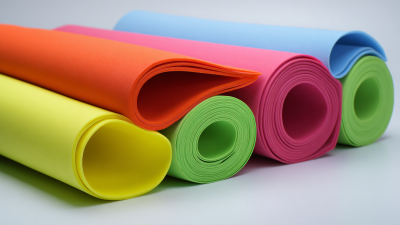
When it comes to crafting and DIY projects, choosing the right materials is crucial. Adhesive Eva Foam Sheets are one of the best options available. They offer versatility and ease of use. These sheets come in various colors and thicknesses, making them suitable for many projects. Whether you are working on school art, home decor, or even professional displays, these sheets can meet your needs.
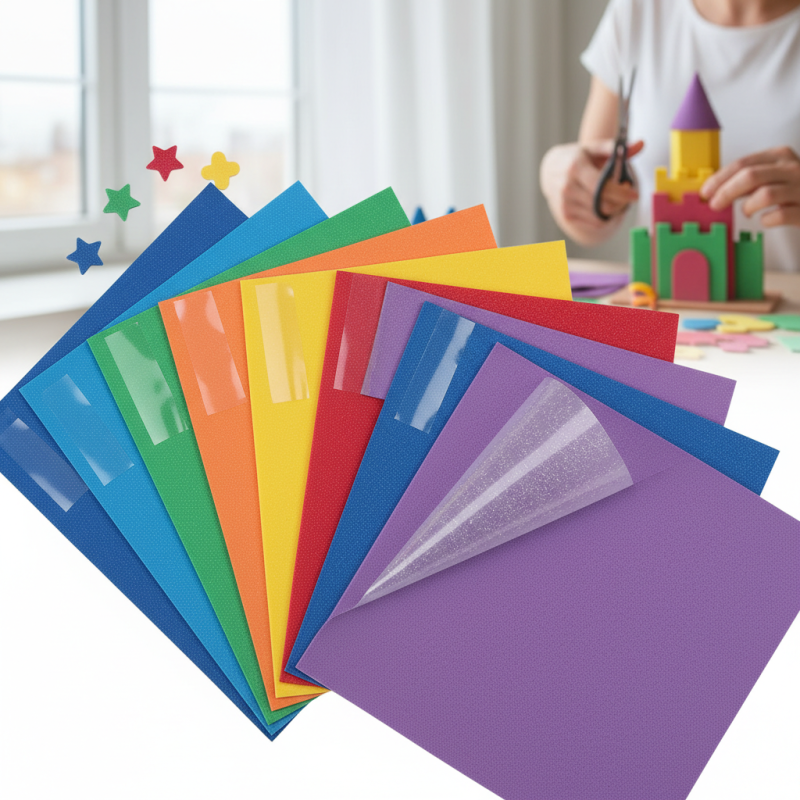
The adhesive backing ensures a strong bond. This feature simplifies the application process, making it quick and efficient. Artists and crafters appreciate the time saved. However, not all adhesive Eva Foam Sheets are of equal quality. Some may not stick as well after a while, leading to frustration. It’s essential to choose wisely.
Consider the intended use when selecting your sheets. Will they be exposed to moisture or wear? This can affect their performance. Some sheets might not hold up over time, which could lead to imperfect results. Being aware of these potential issues can help you make a more informed decision. With the right choices, your projects can flourish and stand out.
Understanding EVA Foam Sheets and Their Uses
EVA foam sheets have become popular in various projects due to their versatility. These sheets are made from ethylene-vinyl acetate, a durable, flexible material. Commonly, they are used in crafts, packaging, and even footwear. Reports indicate that the EVA foam market is expected to grow at a CAGR of 5.8% through 2027. This data underscores the increasing demand for these sheets.
Projects using EVA foam often involve design and functionality. Artists and hobbyists favor it for its lightweight and cushioning properties. For instance, EVA foam works well in costumes and props. Many creators use it for vibrant colors and easy cutting. However, the lack of heat resistance may limit some uses. Beginners might find it challenging to work with thicker sheets.
Understanding the properties of EVA foam helps in selecting the right thickness for a project. Sheets typically range from 1 mm to 10 mm thick. A mistake in thickness can affect the outcome significantly. Deciding the appropriate adhesive for your foam sheets is also crucial. Some adhesives do not bond well with EVA, leading to frustrated efforts. Testing different types can yield varying results. It's a process that may require patience and experimentation.
Types of Adhesives Suitable for EVA Foam Projects
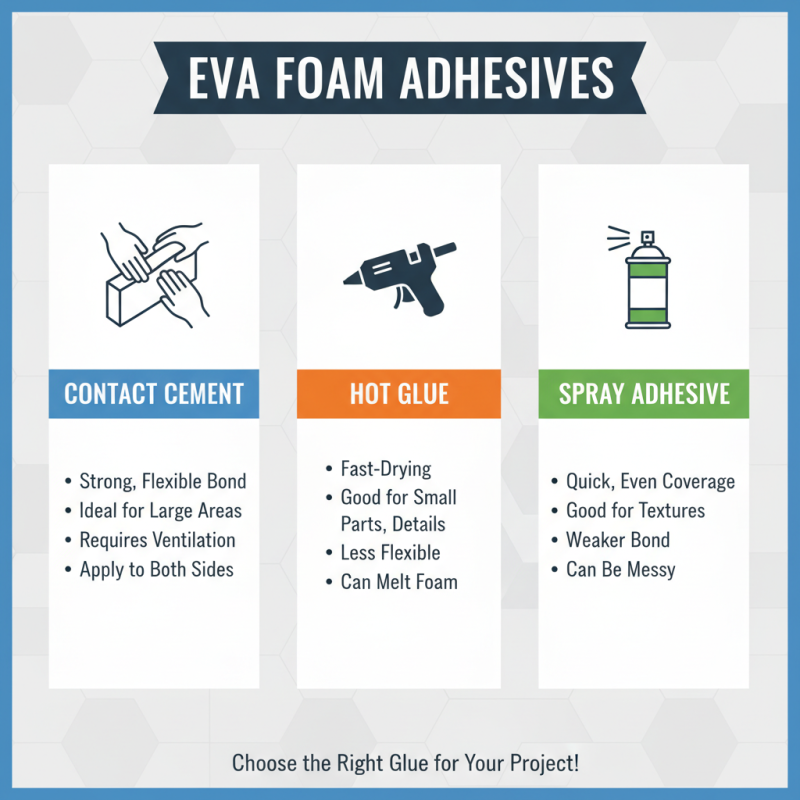
When working with EVA foam, choosing the right adhesive is crucial. Various types of adhesives perform differently depending on the project. Some common options include contact cement, hot glue, and spray adhesive. Each has its strengths and weaknesses, which can impact your results.
Contact cement provides a strong bond, ideal for large surfaces. It’s essential to apply it evenly for the best results. However, it can be messy and requires careful handling. Hot glue is perfect for quick projects. It sets fast, but may not provide durability in high-stress areas. For less demanding tasks, spray adhesives are effective. They cover large areas quickly, but the bond may weaken over time.
A study from the Adhesive and Sealant Council indicates that improper adhesive selection accounts for up to 30% of project failures. Many users overlook the specific requirements of EVA foam. They might assume all adhesives work the same. This misunderstanding can lead to costly mistakes. Choosing wisely requires understanding your project's demands and the properties of each adhesive type.
Factors to Consider When Choosing Adhesive for EVA Foam
When selecting adhesive for EVA foam sheets, consider key factors. The adhesion strength is crucial. A study from the Adhesive Research Institute highlighted that around 70% of project failures stem from inadequate bonding. Choose an adhesive designed specifically for foam. They typically offer a stronger bond and are easier to work with.
Another important aspect is the drying time. Quick-drying adhesives may seem appealing, but they can be tricky. A report from the Foam Fabricators Association indicates that improper drying can lead to bubbling and poor adhesion. Take your time to ensure a smooth application. Pay attention to the surface preparation as well. Clean, dust-free surfaces enhance adhesion, often reducing project failures.
Lastly, think about flexibility. Choosing an adhesive that remains flexible after drying can be beneficial. This characteristic allows your projects to withstand movement without cracking. Consider testing a small area first. Some users find their chosen adhesive does not perform as expected on larger surfaces. In the world of EVA foam crafting, reflective thinking leads to better results.
Step-by-Step Guide to Applying Adhesive on EVA Foam Sheets
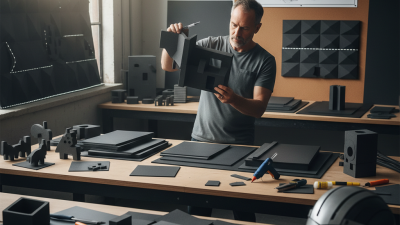
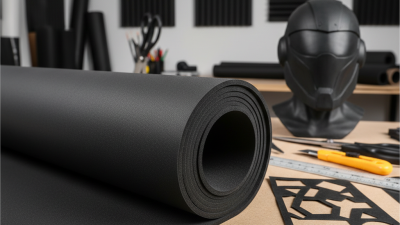
Applying adhesive on EVA foam sheets can be a straightforward process, yet it requires attention to detail. Start by ensuring your workspace is clean. Dust and debris can hinder adhesion. Cut your EVA foam sheets to the desired size. Make clean, precise cuts for better results. Use a ruler and a sharp knife for accuracy.
Next, choose the right adhesive. Test different types on scrap pieces first. Some adhesives may cause foam to warp or melt. Apply the adhesive evenly across the surface. Use a brush or a roller to achieve a thin layer. Too much adhesive can create a mess and delay your project. Allow the adhesive to become tacky before pressing the sheets together.
When aligning the sheets, take your time. Aim for a perfect fit. Misalignment can be frustrating later on. Press firmly but avoid excessive force to prevent damage. If bubbles form, gently lift the sheet to release them. Keep your tools handy for touch-ups. Don’t rush the drying process. Proper drying ensures a strong bond. Remember, practice improves your technique. Embrace mistakes as learning opportunities.
Best Adhesive EVA Foam Sheets for Your Projects
| Product Type |
Thickness (mm) |
Adhesive Type |
Color Options |
Ideal Use |
| Self-Adhesive EVA Foam Sheets |
3 |
Pressure-Sensitive |
Black, Blue, Red |
Crafts, Arts Projects |
| Adhesive-Backed Foam Sheets |
5 |
Hot Melt |
Green, Yellow, Pink |
Decorative Projects, Signage |
| High-Density EVA Foam Sheets |
10 |
Contact Cement |
White, Gray |
Model Making, Padding |
| Flexible EVA Foam Sheets |
2 |
Self-Adhesive |
Transparent, Blue |
Costumes, Props |
| EVA Foam Sheets with Adhesive |
8 |
Peel-and-Stick |
Various Colors |
Flooring, Sport Equipment |
Best Practices for Bonding and Maintaining EVA Foam Projects
When working with EVA foam, proper bonding is crucial for the durability of your projects. Use an appropriate adhesive that matches the foam's characteristics. A strong bond can be achieved with contact cement, which creates an instant grip. Apply the adhesive evenly on both surfaces for the best results. It’s vital to match the adhesive to your project’s demands. Sometimes, the wrong choice leads to disappointing results.
Maintaining EVA foam is equally important. Regularly inspect your projects for wear and tear. Clean the surfaces gently to avoid damaging them. If you notice any peeling or lifting edges, reapply your adhesive to reinforce those areas. Sometimes, you may overlook minor details that can lead to significant problems later. Reflection on past projects helps improve your technique. Experiment with different adhesives for varying effects, but always keep in mind the flexibility of the foam. The goal is to create lasting, sturdy items.
Adhesive Effectiveness of EVA Foam Sheets