China Top Eva Foam Products and Their Applications in Various Industries?
Eva Foam has gained significant traction across multiple industries due to its versatility and lightweight properties. According to a market report, the global EVA foam market is expected to reach $7.2 billion by 2025, growing at a compound annual growth rate (CAGR) of 6.9%. This growth is driven by its applications in sectors such as footwear, automotive, packaging, and sports equipment.
In the footwear industry, Eva Foam is renowned for providing comfort and cushioning. Brands utilize it to enhance user experience, yet some consumers note a lack of durability in certain products. In automotive applications, Eva Foam serves as insulation and impact absorption, which is crucial for passenger safety. However, manufacturers must balance material costs with performance specifications.
As industries evolve, the demand for eco-friendly materials increases. Reports indicate that over 40% of consumers are willing to pay more for sustainable products. This presents a challenge for Eva Foam producers to innovate and reduce their environmental footprint. As the 2026 Canton Fair prepares to showcase advancements in manufacturing, the spotlight on Eva Foam will undoubtedly include discussions on sustainability and the technology driving its production.
Overview of EVA Foam Products in China
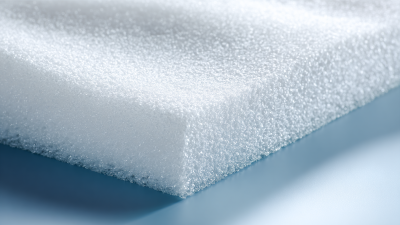
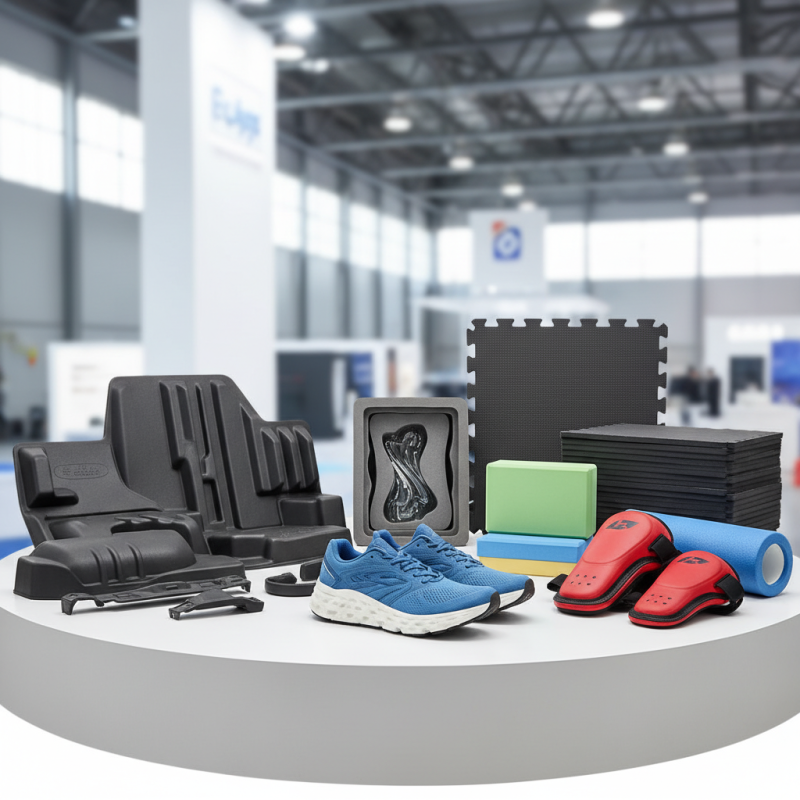
EVA foam, or ethylene-vinyl acetate foam, is increasingly popular in China. Its unique properties make it suitable for various applications. EVA foam is lightweight, flexible, and resistant to UV rays and chemicals. These characteristics make it ideal for industries such as packaging, footwear, and sports equipment.
In packaging, EVA foam provides cushioning for delicate items. It helps reduce damage during transportation. In the footwear industry, many companies use it for insoles due to its comfort and shock absorption. EVA foam is also common in sports gear, like mats and pads, enhancing safety for users. However, the manufacturing process can be harsh on the environment. This aspect raises concerns and prompts reflection on sustainable practices.
Despite its benefits, there are issues with quality control. Not all suppliers maintain the same standards. This inconsistency can affect product performance and safety. Moreover, the awareness of EVA foam's environmental impact is still growing. Consumers are becoming more conscious, prompting a shift toward eco-friendly alternatives. The challenges remain, but the future of EVA foam in China looks promising.
China Top EVA Foam Products and Their Applications in Various Industries
| Product Type |
Density (kg/m³) |
Hardness (Shore A) |
Color Options |
Applications |
| EVA Foam Sheets |
25-40 |
25-40 |
Black, White, Blue, Red |
Footwear, Sports Equipment, Packaging |
| EVA Foam Blocks |
30-50 |
30-50 |
Assorted |
Toys, Floatation Devices, Crafting |
| EVA Foam Padding |
20-30 |
20-30 |
Gray, Green, Yellow |
Automotive Upholstery, Sports Gear |
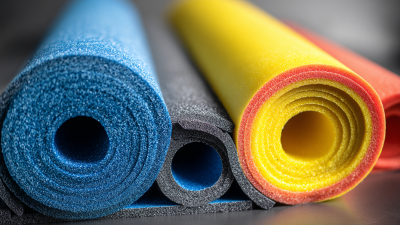
| EVA Foam Rolls |
35-45 |
25-45 |
Black, White, Custom |
Flooring, Padding, Insulation |
| EVA Foam Gaskets |
40-60 |
40-60 |
Black, Gray |
Sealing, Insulation in Electronics |
Key Features and Benefits of EVA Foam Materials
EVA foam is a versatile material used in many industries. It has several key features that make it appealing. One of its main benefits is flexibility. This property allows EVA foam to absorb shocks effectively. It can be shaped easily, making it suitable for various applications.
The lightweight nature of EVA foam is another advantage. It helps reduce overall product weight, which is crucial in industries like automotive and aerospace. Additionally, this foam is resistant to UV rays and moisture. These qualities extend the life of products made from EVA foam. Many companies appreciate its durability in outdoor conditions.
However, there are aspects that require consideration. The production process can generate waste, which raises environmental concerns. More recycling options for EVA foam are needed. It is essential for industries to reflect on sustainable manufacturing practices. Despite these challenges, EVA foam remains a popular choice due to its unique properties and benefits.
Industries Utilizing EVA Foam: A Comprehensive Breakdown
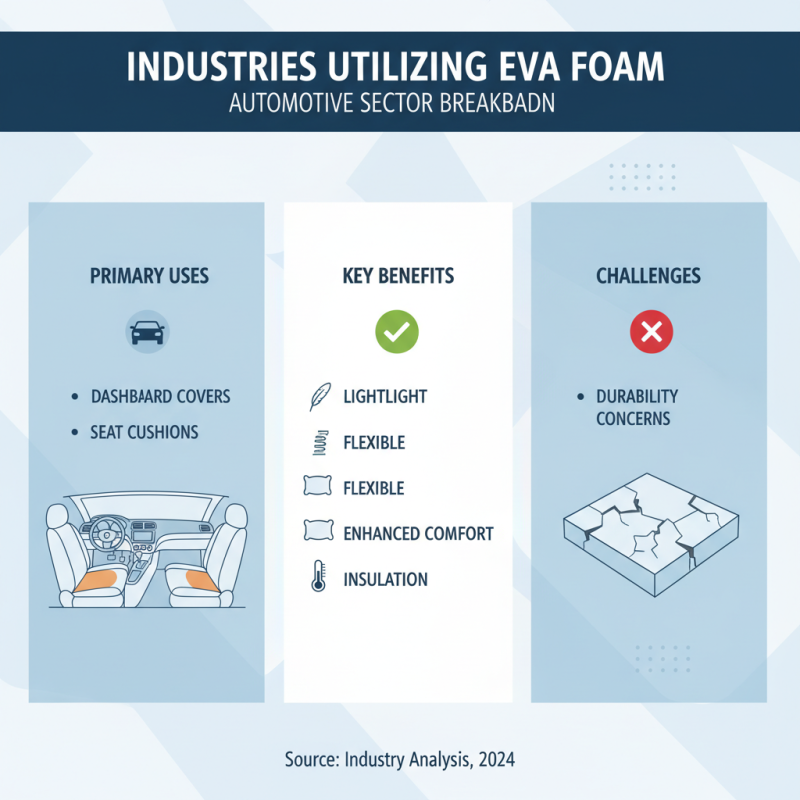
EVA foam is a versatile material widely used across various industries. Its lightweight and flexible nature makes it ideal for manufacturing. In the automotive sector, EVA foam is often used for interior components. These include dashboard covers and seat cushions. This foam enhances comfort and provides insulation, yet some manufacturers struggle with durability issues.
In the sports industry, EVA foam is prominent in producing footwear and protective gear. It offers excellent shock absorption, ensuring better performance. However, not all EVA products meet top quality standards. Some end up wearing out quickly, leading to potential safety concerns.
The packaging industry also heavily relies on EVA foam for cushioning fragile items. This packaging can prevent damage during transit. Nevertheless, finding the right thickness and density is a common challenge. Many businesses overlook these factors, affecting the product's safety. This oversight can cost more than just money; it can impact customer trust.
Innovative Applications of EVA Foam in Manufacturing and Design
EVA foam, known for its versatility, is taking many industries by storm. It is lightweight yet durable. In the automotive sector, EVA foam is used in soundproofing and cushioning. This reduces noise in vehicle interiors. However, manufacturers sometimes overlook potential improvements in fire resistance.
In the sports industry, EVA foam is crucial for shoes and mats. Athletes benefit from its shock absorption qualities. It enhances performance and decreases injury risks. Yet, some designs might not offer sufficient traction. This presents an area for innovation.
In packaging, EVA foam provides excellent protection for delicate items. Its cushioning ability preserves products during transport. But, sustainability remains a concern. Many manufacturers need to consider eco-friendly alternatives. The shift to greener materials is gaining momentum, yet progress can feel slow.
Future Trends in EVA Foam Development and Usage in China
EVA foam has gained immense popularity in various industries in China. Its lightweight nature and versatility make it an excellent choice for many applications. From automotive cushions to footwear, EVA foam is everywhere. As industries evolve, the demand for innovative materials grows.
Future trends in EVA foam development are exciting. Sustainable options are becoming essential. Manufacturers may explore bio-based EVA foams as alternatives. Enhanced customization options will also arise. The integration of smart technologies could revolutionize traditional uses.
**Tip:** Consider eco-friendly options in your next project. This can improve your product's appeal.
Challenges remain in production efficiency. Some manufacturers struggle with maintaining quality while scaling up. Research into advanced techniques could solve this.
**Tip:** Stay updated with industry developments. Networking with experts can provide valuable insights.
China's EVA Foam Products in Various Industries