China Top Pe Kit Bag Styles and Trends You Should Know?
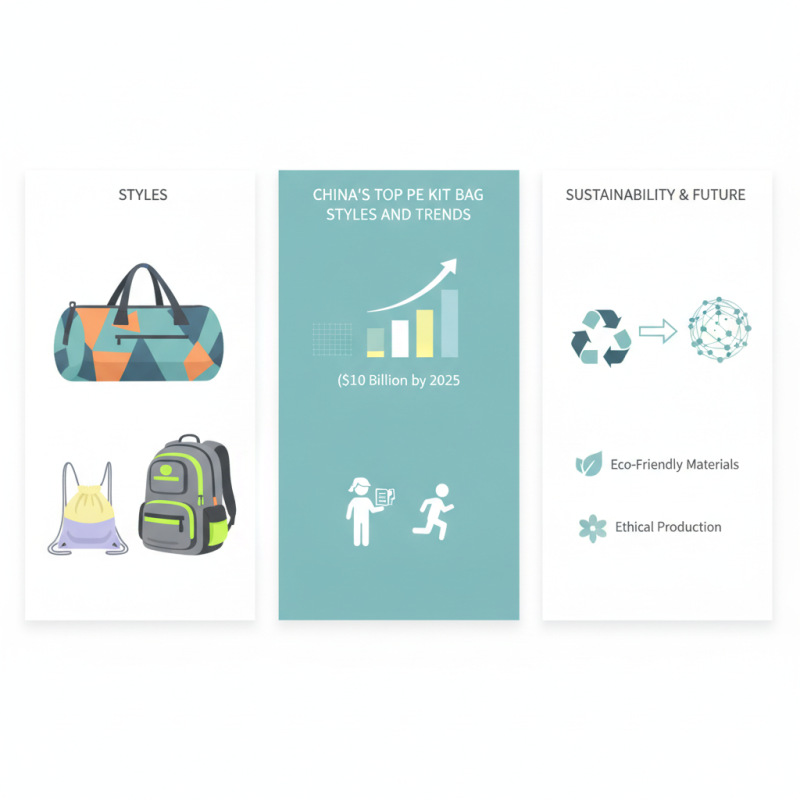
The PE kit bag market in China has witnessed significant growth in recent years. According to a report by Statista, the sports equipment market is expected to reach over $10 billion by 2025. This rise highlights the increasing importance of athletic and educational accessories, including PE kit bags.
PE kit bags are essential for students and athletes alike. They provide a convenient way to carry sports gear and personal items. With a focus on design and functionality, manufacturers are introducing various styles to meet diverse consumer needs. From vibrant colors to innovative materials, the choices are expanding rapidly.
However, despite this growth, challenges exist in meeting sustainability standards. Many brands grapple with eco-friendly materials and ethical production practices. Reflecting on these issues prompts consumers to consider their impact. Examining trends in PE kit bags offers a lens into the broader shift towards responsible consumption. As we explore styles and trends, it’s essential to consider what sustainability means for the future of athletic gear.
Understanding the Evolution of PE Kit Bag Styles in China
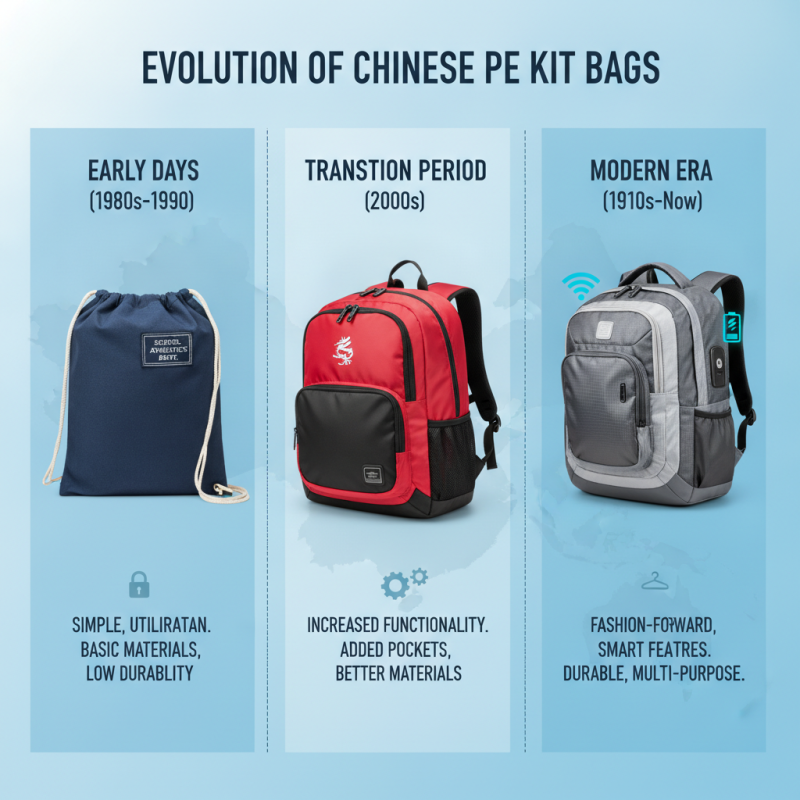
The evolution of PE kit bag styles in China reflects changing preferences in design and functionality. Initially, these bags were simple and utilitarian. They offered minimal features, often made from basic materials that struggled with durability. Over time, consumers began to desire more than just functionality.
Today, many styles emphasize aesthetics alongside practicality. Bright colors and trendy patterns appeal to younger users. Material technology has also advanced, introducing waterproof and lightweight options. These features cater to the active lifestyles of students who need reliable and fashionable gear for sports activities.
However, the market still faces challenges. Many bags prioritize form over function, leading to poor durability. Some styles may not accommodate all necessary sports items, limiting their usefulness. As trends continue to shift, there is a need for brands to focus on creating designs that maintain both style and practicality. This balance is crucial for meeting the dynamic needs of customers in the evolving landscape of PE kit bags.
Current Market Trends in China’s PE Kit Bag Industry
In recent years, China's PE kit bag industry has witnessed significant growth. The market generated approximately USD 1.2 billion in 2022, with a projected annual growth rate of 7.5% through 2026. The surge in demand for eco-friendly and reusable bags aligns with global sustainability initiatives. In urban areas, consumers are increasingly favoring lightweight, durable bags that offer both functionality and style.
Current trends in design emphasize versatility. Many bags now come with multiple compartments for organization. This trend caters to the needs of busy urban dwellers. Reports suggest that 68% of consumers prefer bags with adjustable features and detachable straps. Colors and patterns are also evolving; muted tones and minimalist designs are popular among young professionals. However, there remains a gap in addressing diverse consumer needs, particularly for larger families or outdoor enthusiasts.
While the market's growth is promising, challenges persist. High-quality materials can raise production costs, affecting affordability. Moreover, the rise of e-commerce places pressure on brands to enhance their online presence. Only 45% of manufacturers have optimized their websites for sales. As competition increases, companies must balance quality, price, and design to meet ever-changing consumer expectations.
Current Trends in China’s PE Kit Bag Industry
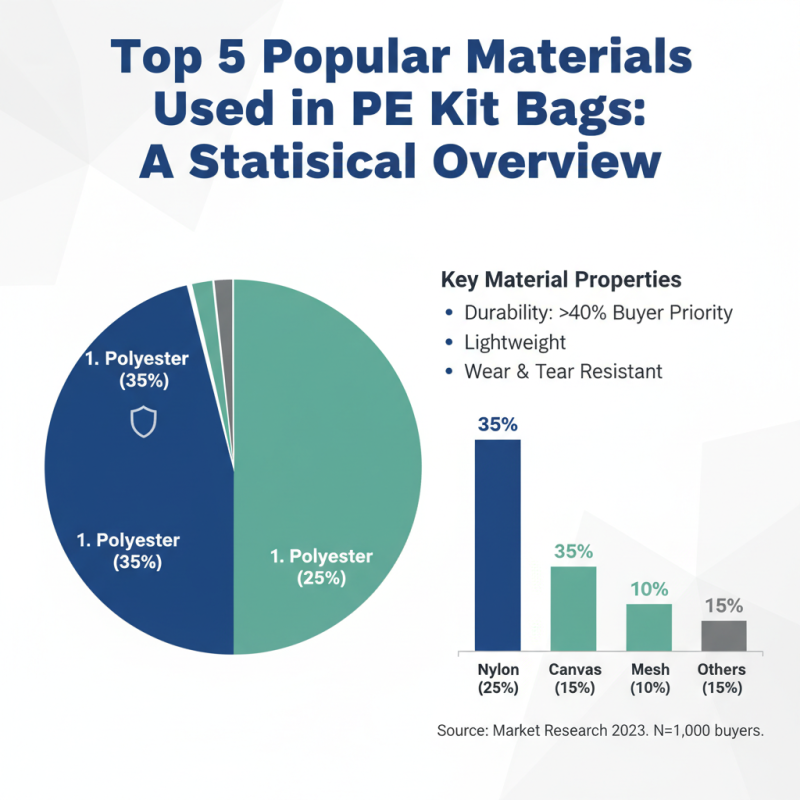
Top 5 Popular Materials Used in PE Kit Bags: A Statistical Overview
When selecting PE kit bags, material choice plays a crucial role. Research indicates that over 40% of buyers prioritize durability in materials. The most popular choice is polyester, favored for its lightweight nature and resistance to wear and tear. It's estimated that 35% of PE kit bags in the market are made from high-quality polyester, making it a top contender for athletes and students alike.
Another common material is nylon, accounting for around 25% of PE kit bag sales. Nylon is prized for its water resistance, enhancing usability in various weather conditions. A lesser-known fact is that canvas, while traditional, is seeing a resurgence due to its eco-friendliness. Its share has grown to 15% as more consumers prioritize sustainability.
Surprisingly, PVC is still used in 10% of bags, though its popularity is declining due to environmental concerns. Only 5% of bags are made from recycled materials, reflecting an area for improvement in the industry. Understanding the statistics behind these materials helps consumers make informed choices.
Consumer Preferences: Age and Gender Influence on PE Kit Bag Choices
When it comes to choosing the perfect PE kit bag, age and gender play vital roles. Younger consumers often favor vibrant colors and trendy designs. Their choices reflect a desire to stand out and express individuality. In contrast, older individuals may lean towards more practical options. They prefer neutral colors and classic styles that offer functionality.
Tips: Consider the activity level when selecting a bag. Active individuals may need bags with compartments for gear and shoes. For casual users, a stylish option can suffice.
Gender also influences preferences. Studies show that women often prioritize style and convenience. They tend to choose bags that can double as everyday accessories. Men, on the other hand, might look for ruggedness and durability in their bags.
Tips: Think about versatility. A bag that suits the gym can also work for weekend outings. Multi-functional bags are increasingly popular among consumers of all ages.
Reflecting on consumer behavior highlights the diversity in preferences. What appeals to one individual might not resonate with another. It's essential to acknowledge these differences when exploring current trends in PE kit bags.
Emerging Innovations in Design: Sustainability and Functionality in 2023
In 2023, the landscape of PE kit bags in China shifts towards sustainability and functionality. Designers are focusing on eco-friendly materials, ensuring bags are not just stylish but also responsible. This trend reflects a growing awareness of environmental issues among consumers. They seek products that blend performance with ethical considerations, making conscious choices.
Tips: When selecting a PE kit bag, consider its material. Look for recycled fabrics or organic alternatives. Double-check the stitching and zippers to ensure durability. Functionality also plays a key role in design.
More brands are incorporating multifunctional designs. Features such as removable compartments enable personalization. Bags can now serve multiple purposes, transitioning easily from gym to daily use. However, some designs still lack practicality despite being visually appealing.
Another trend emerging is the use of vibrant colors and patterns. These enhance individual expression. Yet, some styles may not offer durable performance. It's important to weigh aesthetics against functionality to find the right balance.