Why Choose Rubber Foam for Your Next Project?
When considering materials for your next project, Rubber Foam stands out as an excellent option. It offers unique properties that can greatly enhance your final product. Many people overlook this versatile material, focusing instead on traditional choices. Yet, Rubber Foam provides advantages that are hard to ignore.
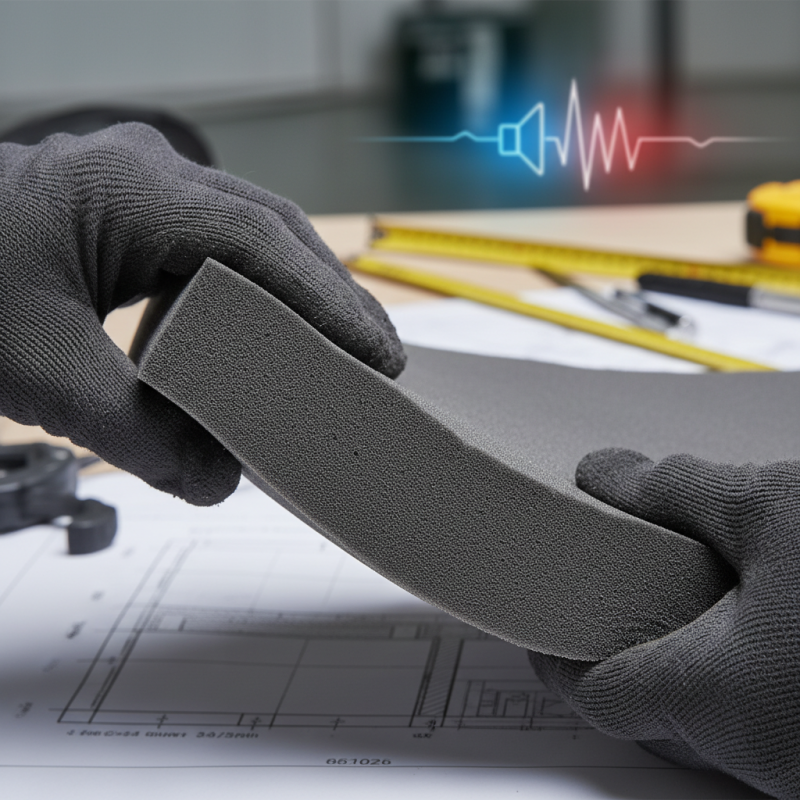
This material features incredible insulation properties. It can reduce sound and temperature transfer effectively. In many projects, achieving these goals is essential. Additionally, Rubber Foam is lightweight and flexible. This makes it easy to work with in various applications. However, it’s worth noting that not everyone fully understands its potential.
Choosing Rubber Foam can lead to some challenges as well. For example, sourcing high-quality Rubber Foam can sometimes be difficult. It’s also important to consider the cost, which may exceed that of other materials. Nevertheless, the benefits it brings often outweigh these concerns. Ultimately, the choice of Rubber Foam could elevate your project in ways you might not expect.
Benefits of Rubber Foam in Various Applications
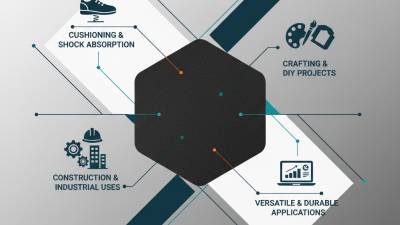
Rubber foam offers numerous benefits across various applications. Its lightweight nature makes it easy to handle, reducing transportation costs. This material also provides excellent cushioning and shock absorption, which is critical in packaging and protective gear. For instance, in the automotive industry, rubber foam can minimize vibrations, contributing to a quieter ride.
In construction, rubber foam serves as an effective insulation material. It helps regulate temperature and sound, improving energy efficiency in buildings. Some may argue it’s not the top choice for all scenarios. However, its resilience to humidity and temperature variations shifts the argument in its favor. In sports equipment, rubber foam enhances safety. It absorbs impact, meaning athletes face a lower risk of injury.
Despite these advantages, challenges remain. The lifespan of rubber foam may vary based on usage and environment. Users need to assess durability to ensure long-term effectiveness. Additionally, not all rubber foam types are created equal, which can lead to a mismatch in expectations. Hence, careful selection is essential to maximize its benefits.
Durability and Longevity of Rubber Foam Materials
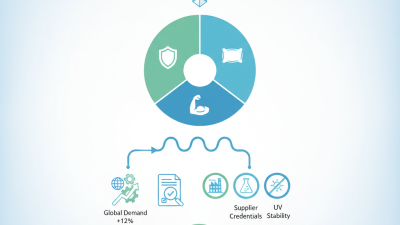
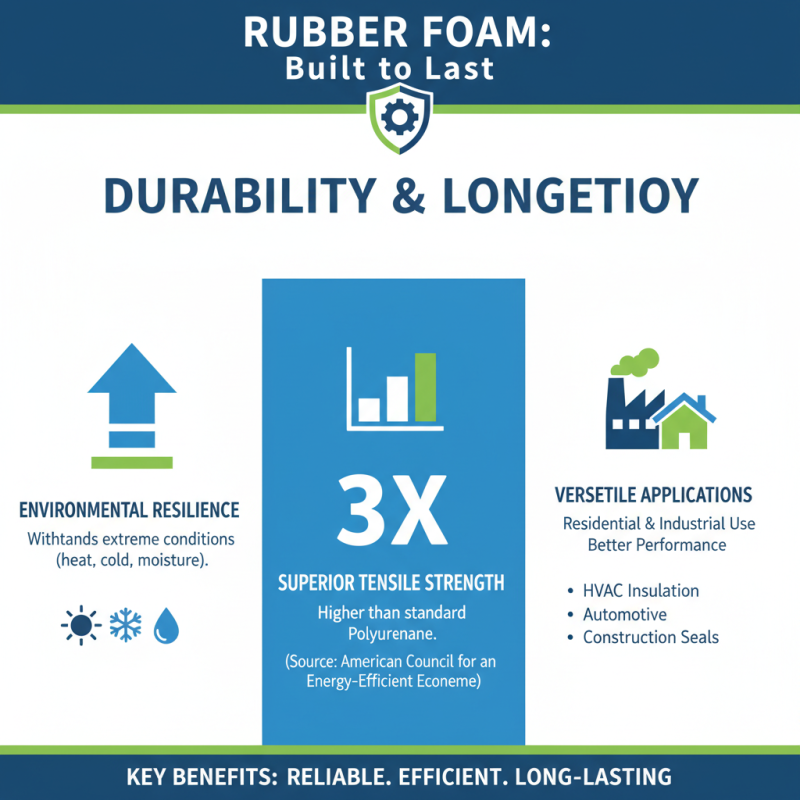
Rubber foam is increasingly recognized for its durability and longevity. This material can withstand various environmental conditions. According to a report by the American Council for an Energy-Efficient Economy, rubber foam has a tensile strength that is significantly higher than standard polyurethane. This quality leads to better performance in both residential and industrial applications.
In outdoor environments, rubber foam is resistant to UV rays and moisture, which often cause deterioration in other materials. Data suggests that rubber foam can last over 20 years in harsh climates. This longevity means reduced replacement costs and less frequent maintenance. However, not all rubber foam is created equal. Some low-quality variants may degrade faster, leading to unexpected failures.
It's important to choose a reputable supplier. Poor manufacturing processes can lead to products that do not meet performance expectations. Investing in high-quality rubber foam will pay off over time. The initial cost may be higher, but the benefits will outweigh the risks of early replacements and repairs. Longevity is not just a number; it reflects the overall value of your investment.
Cost-Effectiveness of Choosing Rubber Foam
Rubber foam is an ideal choice for many projects. Its cost-effectiveness stands out when comparing it to other materials. First, rubber foam offers excellent cushioning and insulation. This means reduced expenses in energy costs and maintenance over time. These savings can add up, making it an attractive option.
When choosing rubber foam, consider its durability. This material can withstand wear and tear, unlike cheaper alternatives. Using rubber foam may seem like a bigger investment at first. However, the longevity of the material leads to lower replacement costs. The economic benefits become clearer with each passing year.
Moreover, rubber foam is versatile. It can be used in furniture, flooring, and even automotive applications. Its lightweight nature simplifies transportation and installation. While everyone seeks cost-efficiency, not all projects need high-end solutions. For many, rubber foam strikes the right balance between price and performance. This balance is essential to reflect on, especially for budget-sensitive projects.
Cost-Effectiveness of Choosing Rubber Foam
This bar chart illustrates the cost-effectiveness of using rubber foam across different project types. The costs vary based on the project requirements, demonstrating how rubber foam can optimize project budgeting while maintaining high-quality results.
Eco-Friendly Aspects of Rubber Foam Products
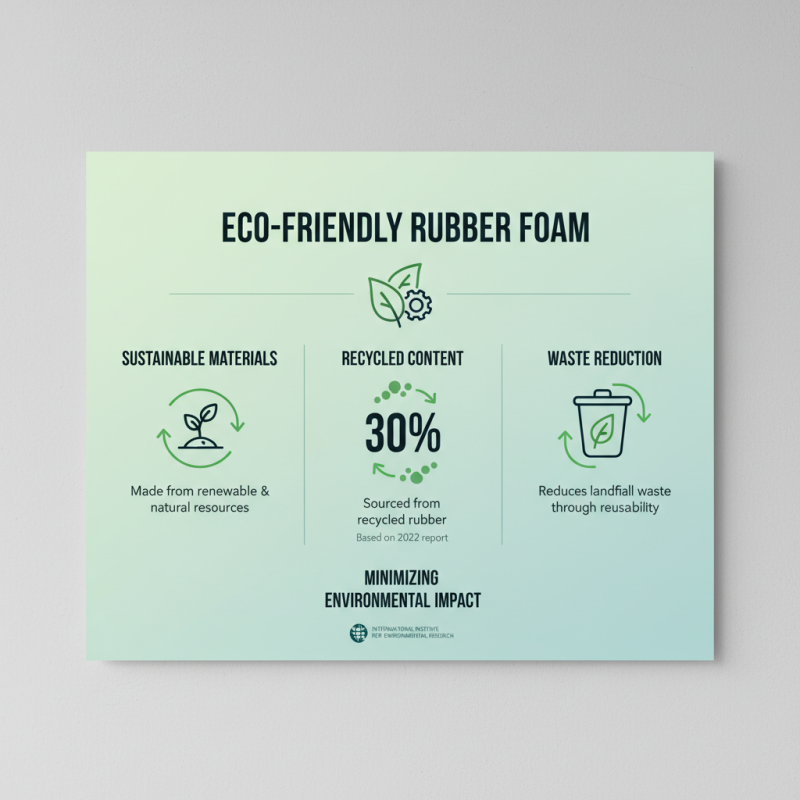
Rubber foam is gaining popularity for its eco-friendly features. Many products today are made from sustainable materials. According to a 2022 report by the International Institute for Environmental Research, rubber foam significantly reduces environmental impact. Nearly 30% of rubber foam products are sourced from recycled materials. This reusability plays a key role in minimizing waste.
Additionally, rubber foam offers excellent thermal insulation. It decreases energy consumption in buildings. A study by the Eco Building Network indicated that buildings utilizing rubber foam can cut heating costs by up to 20%. This insulative quality can reduce reliance on heating systems, contributing to a smaller carbon footprint.
However, there are challenges. The production of rubber foam can involve processes that emit volatile organic compounds (VOCs). While some manufacturers are working to mitigate this, the industry must strive for cleaner production methods. Continuous efforts are essential for enhancing the sustainability of rubber foam products. The path to eco-friendliness is not perfect, but awareness and innovation can lead us toward better solutions.
Versatility of Rubber Foam in Design and Manufacturing
Rubber foam is increasingly popular in the design and manufacturing sectors. Its versatility makes it a top choice for various applications. From cushioning to insulation, rubber foam adapts to many project needs. Designers appreciate its light weight and flexibility. These qualities enhance usability in diverse settings.
When considering rubber foam, think about its properties. It offers excellent sound absorption and thermal insulation. This can be crucial in environments where noise reduction is needed. However, not all rubber foams are created equal. Some may lack durability, leading to potential issues. It’s essential to evaluate different options before making a decision.
The aesthetic appeal of rubber foam shouldn’t be overlooked. It can easily be shaped into unique designs. Many designers have leveraged this material to create stunning visuals. Yet, achieving the perfect balance between form and function is often tricky. Trial and error can be part of the process. Always reflect on your design choices and strive for improvement.
Why Choose Rubber Foam for Your Next Project? - Versatility of Rubber Foam in Design and Manufacturing
| Application |
Properties |
Benefits |
Use Case Examples |
| Insulation |
Thermal and acoustic insulation |
Energy efficiency, noise reduction |
Building insulation, HVAC systems |
| Cushioning |
Shock absorbent and flexible |
Improved comfort, impact protection |
Sports equipment, footwear, packaging |
| Soundproofing |
High sound absorption |
Noise control, enhanced privacy |
Recording studios, offices, home theaters |
| Sealing |
Flexible and weather-resistant |
Prevents drafts and moisture intrusion |
Windows, doors, automotive applications |
| Manufacturing |
Customizable shapes and sizes |
Versatile for various applications |
Automotive parts, electronic enclosures |