How to Choose the Best Pe Plastic Bag for Your Business?
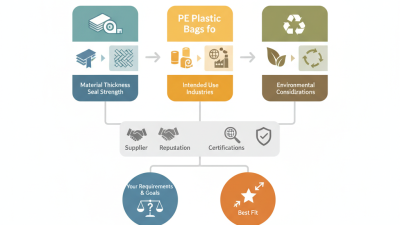
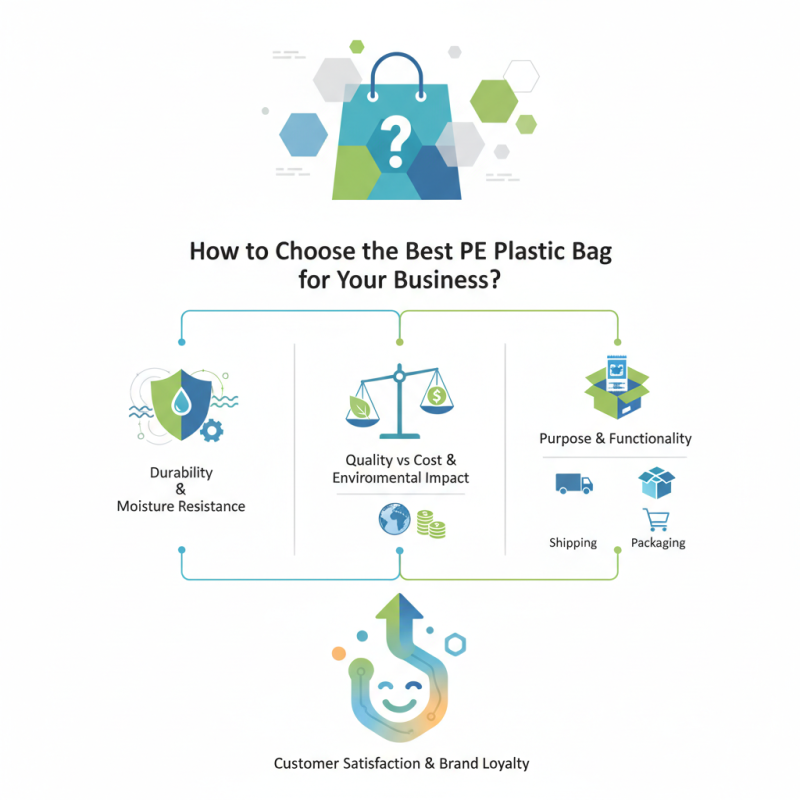
Choosing the right PE plastic bag for your business can be overwhelming. With so many options available, it's crucial to understand what fits your needs best. These bags are widely used due to their versatility and reliability. They come in various sizes, thicknesses, and designs, suitable for different products.
PE plastic bags offer benefits like durability and moisture resistance. However, not all bags are created equal. Factors such as purpose, storage conditions, and environmental impact must be considered. Many businesses struggle with finding the perfect balance between quality and cost. It is essential to reflect on how your choice aligns with your brand values and customer expectations.
In exploring these options, think about functionality and sustainability. Are you using these bags for shipping, retail, or packaging? Your specific requirements will guide your selection. A well-chosen PE plastic bag can enhance your product's appeal while ensuring reliability in transit. Take time to assess your choices carefully; it may lead to long-term customer satisfaction and brand loyalty.
Understanding the Different Types of PE Plastic Bags Available
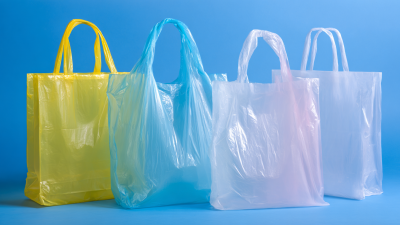
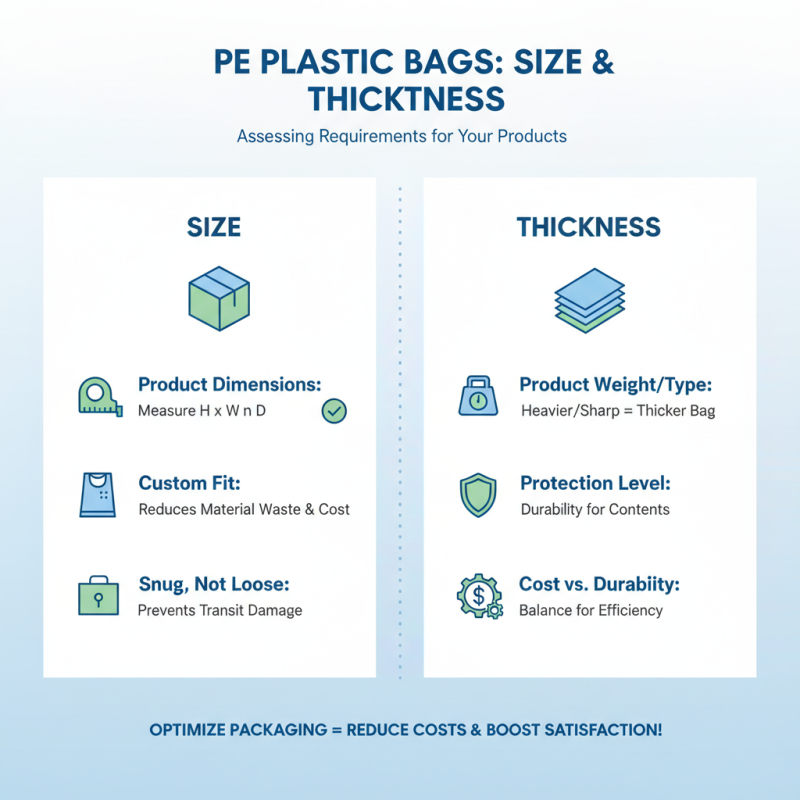
When selecting a PE plastic bag for your business, it’s important to understand the various types available. There are several common types of PE bags, such as low-density polyethylene (LDPE) and high-density polyethylene (HDPE). LDPE bags are flexible and soft, making them ideal for items that require extra protection. Conversely, HDPE bags are stronger and tear-resistant, suitable for heavier goods.
Consider the specific needs of your business. For example, if you sell fragile items, choose LDPE bags for their cushioning qualities. For retail packaging, HDPE bags might be a better fit, as they can carry more weight. Remember, a bag that works for one business may not fit yours well. Sustainable options are also gaining traction. Some businesses look for biodegradable or recycled materials, which can appeal to eco-conscious consumers. Ultimately, it is about balancing functionality with sustainability. Reflect on your requirements as well as customer expectations.
Evaluating Environmental Considerations and Sustainability Options
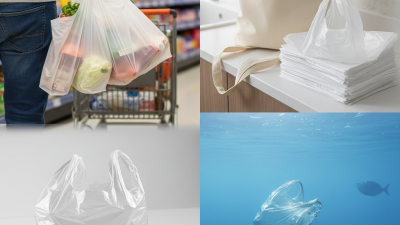
When selecting a PE plastic bag for your business, environmental considerations are paramount. The production of polyethylene contributes significantly to plastic waste. According to a report by the Ellen MacArthur Foundation, around 78 million tons of plastic packaging is produced annually, with only 9% being recycled. This indicates a pressing need for businesses to reflect on their packaging choices.
One option to mitigate environmental impact is to opt for biodegradable or compostable bags. A study by the Biodegradable Products Institute revealed that these bags can break down in composting conditions, reducing landfill contributions. However, they may not always perform as efficiently as traditional PE bags. Businesses must weigh cost implications against sustainability goals.
Moreover, consider the sourcing of materials. Using recycled content in plastic bags can lower carbon footprints. The American Chemistry Council reported that utilizing recycled plastics can decrease greenhouse gas emissions by up to 50%. Yet, challenges remain. The availability and quality of recycled materials can vary. This requires businesses to critically assess supply chains and sustainability commitments.
How to Choose the Best Pe Plastic Bag for Your Business? - Evaluating Environmental Considerations and Sustainability Options
| Feature |
Description |
Environmental Consideration |
Sustainability Options |
| Material Thickness |
Measured in microns; affects durability and usability. |
Thicker bags generally consume more resources to produce. |
Opt for recycled materials; consider reducing thickness if viable. |
| Biodegradability |
Ability to decompose naturally; significant for environmental impact. |
Traditional PE bags can take hundreds of years to decompose. |
Consider biodegradable PE alternatives or compostable options. |
| Recyclability |
Ability to be processed and reused in production. |
Not all types of PE bags are accepted in recycling programs. |
Choose bags that are clearly marked for recycling. |
| Cost |
Overall price per bag or per unit. |
Lower cost may lead to higher environmental costs. |
Investing in sustainable options may reduce costs long-term. |
| Customization Options |
Ability to print designs and branding. |
Inks and printing processes may affect sustainability. |
Use eco-friendly inks and minimize design complexity. |
Comparing Costs and Supplier Reliability for Bulk Orders
When selecting the best PE plastic bag for your business, evaluating costs and supplier reliability is crucial. According to a recent industry report from Plastic Market Watch, prices for polyethylene bags can vary significantly across suppliers. While it’s tempting to choose the lowest option, this decision often leads to compromised quality. A reputable supplier typically provides consistent quality and better customer service, which can save your business from costly returns and delays.
Supplier reliability is often overlooked. A study by Packaging Digest highlights that 39% of businesses experience delays from unreliable suppliers. Consider a supplier's history and customer reviews before making decisions. Check for certifications, as they indicate industry standards and commitment to quality. Reliable suppliers also have better communications, ensuring you stay informed throughout the process.
**Tip**: Always request samples before placing a bulk order. This ensures the bags meet your standards for thickness and durability.
**Tip**: It’s beneficial to establish a long-term relationship with your supplier. Loyalty often leads to better pricing and priority during peak seasons.
Assessing costs and supplier reliability requires careful analysis. Don’t solely prioritize cost; think about potential long-term impacts on your business.
Identifying Customization Options to Enhance Brand Recognition
When selecting PE plastic bags, customization can significantly enhance brand recognition. According to a 2022 report by the Flexible Packaging Association, 70% of consumers remember brands based on packaging. Your bag design should resonate with your audience. This could mean using specific colors, logos, or even textures that reflect your brand's identity.
Consider the different printing options available. Flexographic and digital printing can offer high-quality designs. Choose options that can withstand wear and tear. Personalized sizes can appeal to various consumer needs. Customized bags not only serve a functional purpose but also act as mobile advertisements.
Tips for effective customization: Use bold colors that stand out. Keep designs simple yet memorable. Regularly seek feedback to refine your designs. Remember, an over-complicated design may dilute your brand’s message. Engaging with customers for insights can lead to better outcomes. Customization requires not just creativity but also a willingness to adapt based on how your audience perceives your brand.