2026 How to Choose Eva Foam Packaging for Your Business?
In the evolving landscape of packaging, Eva Foam Packaging stands out for its versatility and protective qualities. Industry reports indicate that the global demand for specialized packaging solutions is projected to grow by 5% annually, highlighting the increased emphasis on safe product transport. As companies seek sustainable and effective packaging, choosing the right material becomes crucial for success.
Expert in the packaging industry, Dr. Michael Reynolds, has emphasized, "Selecting the right foam material can significantly enhance product security while reducing costs." His insights remind us that the choice of Eva Foam not only safeguards goods but also aligns with eco-friendly practices. This consideration resonates with businesses striving for sustainability while maintaining effectiveness.
Yet, the decision-making process for Eva Foam Packaging isn't always straightforward. Factors such as thickness, density, and application need careful evaluation. Businesses must balance protecting their products with budget constraints. Reflection on these complexities can lead to more informed choices and better outcomes in the long run.
Understanding Eva Foam Packaging and Its Benefits
Eva foam packaging has gained popularity in various industries due to its unique properties. This lightweight material provides excellent cushioning and impact resistance, making it ideal for fragile products. Companies in electronics, cosmetics, and healthcare benefit greatly from this packaging solution. Its versatility allows for custom shapes, ensuring a snug fit for items of different sizes.
Beyond protection, Eva foam is eco-friendly. It is often made from materials that can be recycled, which appeals to environmentally conscious businesses. Using Eva foam can enhance a brand's reputation by showing commitment to sustainability. However, it’s essential to research suppliers. Not all Eva foam is created equal, and some may not meet your specific requirements.
When choosing Eva foam packaging, consider your product's needs. Evaluate thickness, density, and firmness. These factors influence how well the foam will protect items during transit. Neglecting these details may lead to damaged goods, affecting customer satisfaction. Strive for balance between cost and quality to ensure you make the right choice for your business.
Key Factors to Consider When Choosing Eva Foam for Your Business
Choosing the right EVA foam packaging for your business can impact your product's safety and presentation. Consider the density of the foam. Higher density often means better cushioning and durability. However, it may also increase costs. Strike a balance between protection and budget. For example, lighter items might not need the densest foam available.
Think about the intended use of the foam. Will it protect fragile items during shipping? Ensure it has shock-absorption properties. Check its resistance to various environmental factors like moisture. Moisture can degrade foam over time. Also, consider how the foam will be cut or shaped. Customization can enhance packaging efficiency. It’s essential to weigh benefits against additional costs.
Sustainability is an increasingly critical factor. Eco-friendly options are gaining traction. However, ensure that they meet your protective needs. Many businesses realize that compromised quality can lead to product damage. This must be approached with care. Reflect on your product's unique requirements before making a decision. Each aspect of EVA foam can significantly influence your overall packaging strategy.
2026 How to Choose Eva Foam Packaging for Your Business?
This chart illustrates the key factors to consider when selecting EVA foam packaging for your business, showing the importance of each factor based on industry surveys.
Types of Eva Foam Packaging Solutions Available in the Market
Eva foam packaging has gained traction due to its versatility and protective qualities. In the market, various types of Eva foam packaging solutions cater to different business needs.
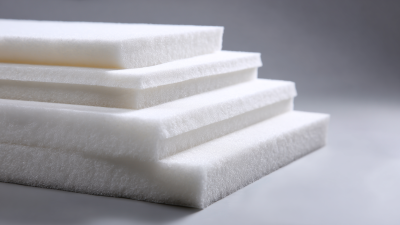
Custom-cut sheets provide tailored protection for items of varying shapes and sizes. These sheets are soft yet durable, making them ideal for fragile products.
Another popular option is molded Eva foam. This type allows for the creation of specific shapes to fit products snugly. Molded solutions can reduce movement within packaging, minimizing damage during transit. These designs often serve industries such as electronics and automotive, where precision is key.
Finally, consider using Eva foam rolls for bulk packaging. Rolls offer flexibility and can be easily cut to size. This option caters to businesses looking to package multiple items efficiently. However, with so many available solutions, it’s crucial to assess your specific requirements carefully.
Balancing cost with quality may pose challenges, but taking the time to evaluate will pay off in the long run.
Assessing Cost-Effectiveness of Eva Foam Packaging Options
When evaluating the cost-effectiveness of EVA foam packaging options, it's essential to consider various factors. First, assess the material's durability and its ability to protect products during transport. A more robust foam might be pricier upfront, but it could save money on product replacements if it prevents damage. Lower-quality options often lead to higher long-term costs.
Tips: Assess your specific needs. Consider different foam densities. A denser foam might better absorb impacts. Think about how packaging reflects your brand. A well-protected item promotes reliability and helps build trust.
Next, evaluate production costs. Custom EVA foam can be expensive. However, it provides a perfect fit and reduces waste. This balance between customizability and efficiency must be carefully examined. Ensure the foam's longevity justifies the price. Sometimes, cheaper options may lead to frequent replacements, which add up.
Tips: Always compare suppliers. Look for quotes and sample packs. Test different foam types for your product. Seek feedback from users to understand the best fit. Engaging with stakeholders can uncover hidden issues. This reflective process ensures thoughtful investment in packaging choices.
2026 How to Choose Eva Foam Packaging for Your Business? - Assessing Cost-Effectiveness of Eva Foam Packaging Options
| Packaging Type |
Density (kg/m³) |
Thickness (mm) |
Cost per Unit ($) |
Durability Rating (out of 5) |
Application Suitability |
| EVA Foam Sheet |
80 |
5 |
0.75 |
4 |
General packaging |
| EVA Foam Roll |
90 |
10 |
1.25 |
4.5 |
Custom shapes |
| EVA Foam Inserts |
70 |
8 |
1.00 |
4.2 |
Electronics |
| EVA Foam Blocks |
60 |
20 |
2.00 |
3.8 |
Sporting goods |
| EVA Foam Sheets with Adhesive |
85 |
6 |
1.50 |
4.7 |
Automotive |
Sustainable Practices in Eva Foam Packaging Selection
When selecting EVA foam packaging for your business, sustainability should be a key consideration. Many companies overlook the environmental impact of their packaging choices. Evaluating the sourcing of EVA foam is important. Choose products made from recycled materials, which can reduce waste. This not only helps the planet but can enhance your brand's reputation.
Incorporating sustainable practices may also involve examining the entire life cycle of the packaging. Consider how the materials are produced, used, and disposed of. While EVA foam is lightweight and durable, its manufacturing process can be energy-intensive. You might want to assess local suppliers to minimize transportation emissions. This could lead to better sustainability overall.
One challenge is the available options in the market. Not all suppliers prioritize eco-friendly materials. You may need to spend additional time researching. This process can be frustrating but is also an opportunity for growth. Engaging with suppliers who share your sustainability goals can foster long-term partnerships.