How to Choose the Right ESD Shielding Bags for Your Needs?
Choosing the right ESD shielding bags is crucial for protecting sensitive electronic components. According to Dr. Emily Carter, an expert in static electricity management, "Selecting the correct ESD shielding bags can determine the longevity of electronic devices." This underscores the importance of understanding ESD shielding.
ESD shielding bags come in various types. Each type offers different levels of protection. Not all bags might suit your specific needs. A bag designed for low humidity may not perform well in more humid environments. Therefore, it’s important to evaluate your requirements carefully.
Moreover, the market offers an overwhelming range of options. Some bags might seem cost-effective but could compromise safety. Reflecting on your specific application will save you from potential losses in the future. Making informed decisions about ESD shielding bags is essential for protecting valuable investments.
Factors to Consider When Selecting ESD Shielding Bags
When selecting ESD shielding bags, consider several critical factors. First, assess the bag's material. Common materials include polyethylene and nylon, known for their durability and conductivity. Some users may overlook the bag thickness, which impacts performance. Thicker bags generally offer better protection.
Next, evaluate the size of the bags. Make sure they accommodate your components without excessive space. Oversized bags may lead to bending or movement inside, increasing risks. Keep in mind the static decay rate. Bags with a faster decay rate can better protect sensitive equipment during handling.
Don't forget to check the bag's seal type. Some options include zip-lock and heat seal, each providing different levels of protection. Also, consider the environment in which the bags will be used. High humidity can affect performance. Reflect on these components; mistakes in the selection process can be costly.
Understanding Different Types of ESD Shielding Materials
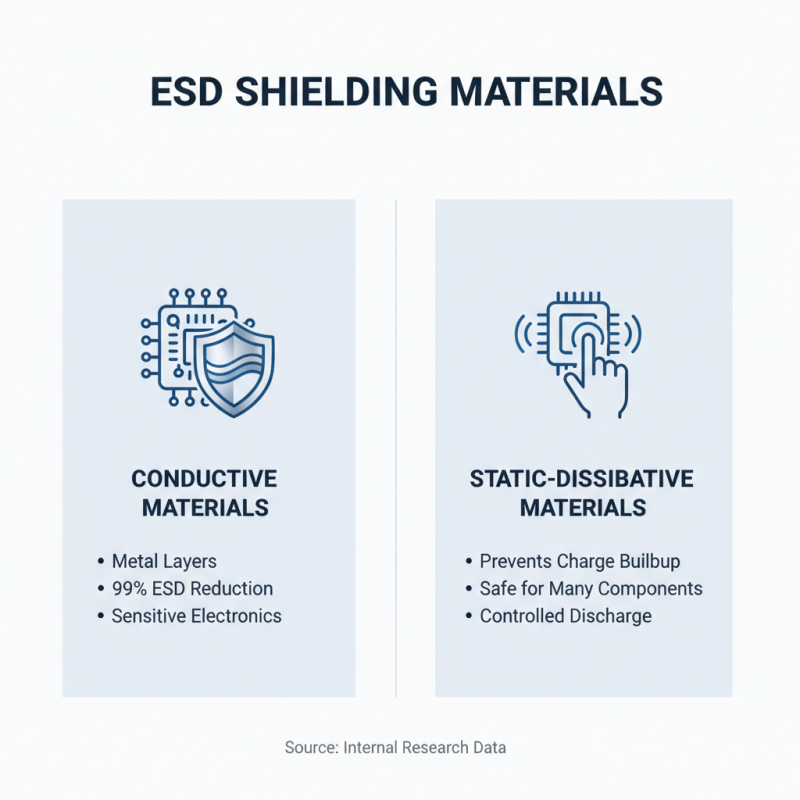
When selecting ESD shielding materials, understanding their types is crucial. There are primarily two categories: conductive and static-dissipative materials. Conductive materials often contain metal layers, providing effective shielding against electromagnetic interference. Research indicates that their effectiveness can reach up to 99% in reducing ESD threats. This makes them ideal for sensitive electronic components.
On the other hand, static-dissipative materials slowly dissipate static electricity without causing damage. These materials are vital in applications where components require a gentler touch. According to a study by the ESD Association, misuse of packaging contributes to over 30% of ESD-related failures. Choosing the right type based on your requirements can mitigate these risks significantly.
Both types have unique strengths and weaknesses. While conductive materials offer better shielding, they might not be suitable for all applications due to their rigidity. Static-dissipative bags are more flexible but may not provide sufficient protection in high-risk environments. Always assess your specific needs before making a decision. This nuanced understanding of materials will help in making informed choices.
Evaluating the Thickness and Strength of ESD Bags
When evaluating ESD shielding bags, thickness and strength play crucial roles. ESD bags are designed to protect sensitive electronic devices from electrostatic discharge. The thickness of these bags typically ranges from 2 to 6 mils. A thicker bag offers better protection but may impact cost and flexibility. According to a report from the Electrostatic Discharge Association (ESDA), thicker bags show a higher shielding effectiveness, often exceeding 99%. However, increased thickness can restrict user convenience, making handling cumbersome.
Strength is another vital factor. It is important to consider puncture resistance and tensile strength. A study by the International Electrotechnical Commission (IEC) revealed that bags with higher tensile strength last longer during transport and storage. While most manufacturers create bags with adequate strength, not all meet rigorous testing parameters. Users should look for bags that pass certifications like IEC 61340-5-1. This ensures that they meet industrial standards.
Inconsistent quality can be an issue within the market. Not all ESD bags labeled as "high-strength" perform equally. Testing methods can vary significantly among suppliers. This inconsistency presents challenges for businesses. Thoroughly inspecting specifications and performance data before purchase is essential. Informed decisions lead to better protection for electronic components.
Importance of ESD Bag Color and Its Impact on Performance
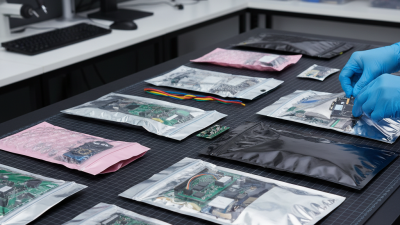
When it comes to ESD shielding bags, color plays a crucial role in their effectiveness. The right color can significantly impact the performance of these bags. For instance, black bags are commonly utilized for their ability to block ESD effectively. Their opaque nature prevents light from entering, reducing the risk of moisture and contamination.
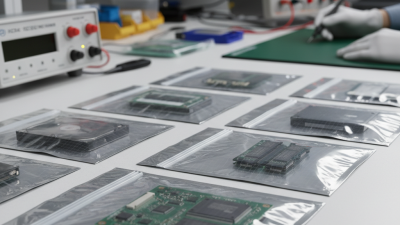
However, not all scenarios fit a one-size-fits-all approach. Clear bags are often chosen for visibility, allowing quick inspection of contents. Yet, they may not provide the same level of protection against static discharge. Users must weigh the convenience of visibility against the potential for static damage. Reflective surfaces or specific colors may also provide added benefits, as they can assist in identifying items quickly in warehouses or labs.
Sometimes, the choice of color is influenced by branding or personal preference, rather than practical needs. This highlights an area for reflection. Are you prioritizing aesthetics over functionality? Always consider the primary purpose of ESD bags. Choosing the wrong color could lead to compromised safety and equipment failure. The focus should remain on the protective qualities of the material and how effectively it can perform its intended role against electrostatic discharge.
Understanding ESD Shielding Bags: Performance by Color
This chart illustrates the screening effectiveness of different ESD bag colors. The effectiveness varies based on the bag material and color, which can significantly impact the performance in protecting electronic components from electrostatic discharge.
Industry Standards and Certifications for ESD Shielding Products
When selecting ESD shielding bags, it's crucial to consider industry standards and certifications. Different industries may have specific requirements. Understanding these can greatly affect the safety of your sensitive components. For example, bags should comply with standards like ANSI/ESD S20.20. This ensures that they provide effective protection against electrostatic discharge.
To ensure you're choosing the right bag, check for certifications from reputable organizations. Certifying bodies validate that the products meet rigorous quality and safety criteria. Use this information to your advantage. Reliable shielding bags often display these certifications clearly, making them easier to identify.
Tip: Always examine the specifications of any ESD product. Look for details on material composition and thickness. These factors have a significant impact on the performance of the bags.
Tip: Don’t overlook the bag's sealing mechanism. It should prevent contamination while maintaining its shielding properties. Flimsy seals may compromise the protection level.
Optimal choices are based on thorough research. Consider how the environmental factors could influence the performance of the shielding bags.