What is Eva Material and Why is it Popular in 2026 Top Types?
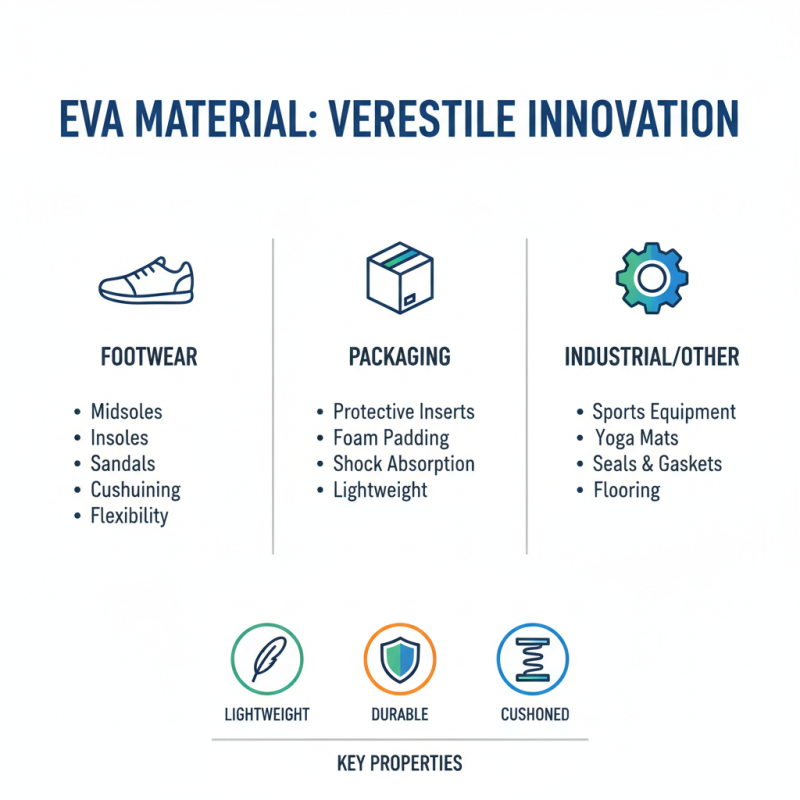
Eva Material has gained significant attention in recent years. This innovative material is renowned for its versatility and durability. Its unique properties make it suitable for various applications, from footwear to packaging.
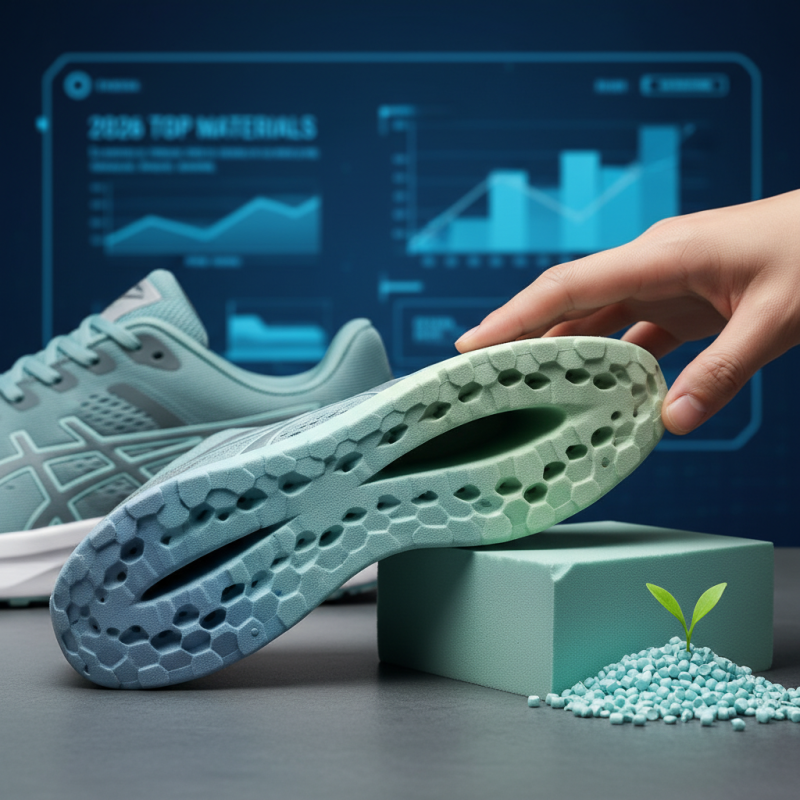
One reason for its popularity is comfort. Eva Material is lightweight and flexible. This is why many brands choose it for athletic shoes. Consumers appreciate products that provide ease during movement. In 2026, it has emerged as a leading material in fashion and lifestyle goods. However, the environmental impact of producing Eva Material raises concerns. Sustainability is a topic many are reflecting on.
As we explore the types and uses of Eva Material, we recognize its benefits and drawbacks. Understanding its popularity requires a closer look at both sides. Each innovation brings both excitement and caution.
What is Eva Material? An Overview of its Composition and Properties
EVA material is a type of copolymer made from ethylene and vinyl acetate. This combination creates a flexible and durable substance. Its properties include excellent shock absorption, lightweight nature, and resistance to UV light. These qualities make it ideal for various applications, from footwear to sports gear.
The versatility of EVA is remarkable. It can be easily molded into different shapes. This makes it popular in industries requiring custom designs. Its soft texture adds comfort, which is essential in consumer products. However, some may question its long-term durability compared to more rigid materials.
In 2026, the popularity of EVA continues to grow. It is now used in environmentally friendly products. Yet, not all manufacturers prioritize sustainable practices. Some still rely on traditional methods that can harm the environment. This raises important questions about the balance between functionality and ecological responsibility.
The Rising Popularity of Eva Material in 2026: Key Factors Explored
Eva material has gained significant traction in 2026. Its unique properties make it a favorite for various applications.
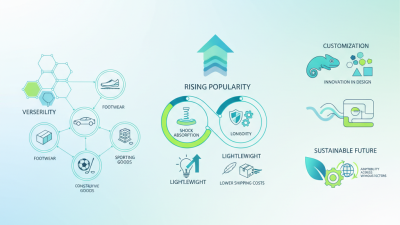
Lightweight and flexible, Eva is ideal for footwear, sports equipment, and packaging. Its ability to provide cushioning and shock absorption remains unmatched. This versatility contributes significantly to its rising demand.
In today's market, sustainability plays a vital role.
Consumers are increasingly aware of eco-friendly materials. Many now prefer products made from ethylene-vinyl acetate due to its recyclable nature.
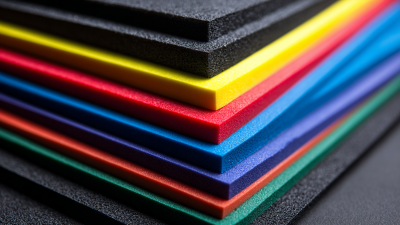
The material is non-toxic, making it safe for everyday use. Designers appreciate its vibrant colors and durability too.
However, some consumers question its long-term environmental impact. The balance between performance and sustainability remains a topic for discussion.
While Eva is popular, it’s important to consider its limitations. It may not be suitable for extreme conditions.
In high heat or direct sunlight, it can degrade faster. This poses challenges for manufacturers and designers. Evaluating these factors is essential for responsible product development.
The path forward may require innovative solutions to enhance its durability while maintaining its eco-friendly appeal.
Top Applications of Eva Material in Various Industries
EVA material is gaining traction across numerous industries in 2026. Its versatility makes it ideal for various applications. In footwear, EVA is lightweight and flexible. It offers comfort and support. Many manufacturers use it for cushioned soles, enhancing the user experience.
In packaging, EVA's durability shines. It provides excellent barrier protection. This feature keeps products fresh and secure during transit. Packaging designed with EVA often shows better performance against environmental factors. Industries are still exploring how to maximize this potential.
The automotive sector is not left behind. EVA's shock-absorbing properties are valuable in interior applications. It helps reduce noise while improving safety. However, some manufacturers are still facing challenges in sourcing high-quality EVA. There’s a need for better standards to ensure consistency. As industries continue to adapt, EVA's potential remains both exciting and complex.
Types of Eva Material: Characteristics and Variations Explained
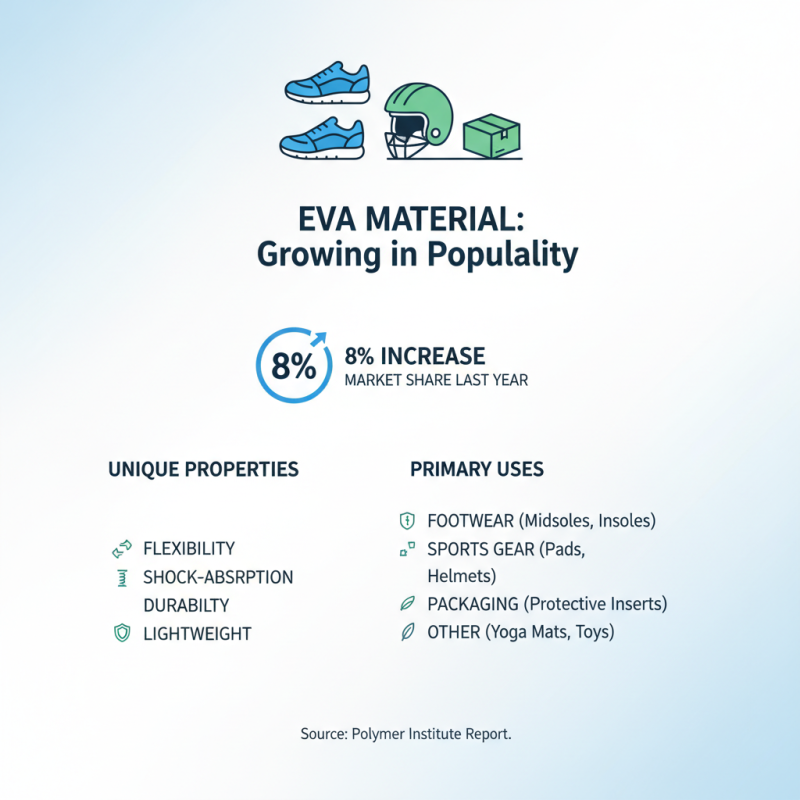
Eva material is gaining traction in various industries due to its unique properties. Known for its flexibility and shock-absorption capabilities, EVA is often used in footwear, sports gear, and packaging. A recent report by the Polymer Institute notes that EVA's market share has increased by 8% in the last year alone. This surge is attributed to its durability and lightweight characteristics, which appeal to both manufacturers and consumers.
There are several types of EVA materials, each with its specific characteristics. Ethylene-vinyl acetate copolymer is a common variant, noted for its softness and pliability. Another variation is EVA foam, widely used for cushioning in sports equipment. The density of EVA can vary, impacting its firmness and resilience. According to industry data from the Material Science Association, EVA foam is projected to dominate the market, with a 15% expected growth rate over the next five years.
Despite its advantages, EVA is not without challenges. Environmental concerns regarding its recyclability persist. Moreover, variations in quality can lead to inconsistencies in performance. This is particularly important for products requiring high durability. Manufacturers must balance the benefits of EVA with its limitations. The conversation surrounding EVA continues to evolve, prompting ongoing research and development in this promising material.
Future Trends and Innovations in Eva Material Development
Eva material has been gaining traction in various industries. Its unique properties make it a popular choice for manufacturers. Lightweight yet durable, it offers flexibility and cushioning. These features make it suitable for a range of applications, from footwear to packaging.
In 2026, innovation in Eva material development focuses on sustainability. Many companies are exploring biodegradable options. This shift reflects a growing awareness of environmental impact. Researchers aim to create Eva that minimizes waste. However, this goal comes with challenges. Developing truly sustainable alternatives requires extensive research and investment.
Another trend is customization. Consumers increasingly demand products tailored to their needs. Eva's adaptability allows for personalized designs and colors. This trend enhances creativity but also complicates production processes. Balancing customization with efficiency can be difficult. As industries evolve, addressing these concerns will be essential for future developments.