What is Eva Rubber and How Can It Benefit Your Business?
Eva Rubber is a crucial material for various industries. Its versatility makes it an appealing choice for many businesses. Dr. James Williams, a leading expert in rubber technology, states, "Eva Rubber's unique properties can revolutionize production processes." This highlights its potential impact on operational efficiency.
Companies exploring innovations need to consider Eva Rubber. Its lightweight and flexible nature opens new possibilities. From manufacturing to packaging, businesses reap substantial benefits. Yet, understanding how to implement this material can be challenging. It requires expertise and careful planning.
While Eva Rubber presents impressive advantages, businesses should reflect on their current practices. Some might find it easier to stick with traditional materials. However, innovation often demands stepping out of comfort zones. Organizations that embrace these changes may find greater success in a competitive market.
What is Eva Rubber?
EVA rubber, or ethylene-vinyl acetate rubber, is a versatile material widely used in various industries due to its unique properties. This copolymer combines the strengths of both ethylene and vinyl acetate, resulting in a flexible, durable, and lightweight product. According to a report by MarketsandMarkets, the EVA market is projected to reach $12.2 billion by 2026, indicating its increasing relevance across sectors.
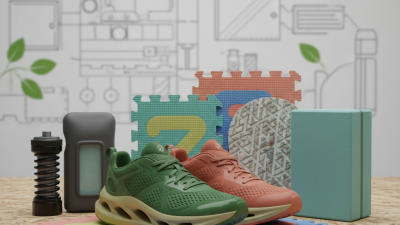
One of the primary benefits of EVA rubber is its excellent shock-absorbing capabilities. This makes it ideal for manufacturing sports equipment, footwear, and protective gear. In fact, the growth of the sports footwear market, worth over $60 billion in 2020, greatly contributes to their demand for high-quality EVA products. EVA also shows remarkable resistance to UV radiation, making it suitable for outdoor applications. However, while it offers many advantages, EVA rubber can be sensitive to extreme temperatures, which businesses must consider.
In addition, the eco-friendliness of EVA rubber is beneficial for companies aiming for sustainable practices. Its low toxicity and recyclability align with current environmental trends. Despite these benefits, manufacturers must address its production energy consumption and potential waste to improve overall sustainability. Balancing benefits with drawbacks remains a crucial topic in the industry.
The Composition and Properties of Eva Rubber
Eva rubber, or ethylene-vinyl acetate, is a versatile material widely used in various industries. Its unique composition contributes to a range of beneficial properties that can enhance business operations. Eva rubber is lightweight yet durable, making it an ideal choice for products that require both strength and flexibility. Additionally, its resistance to UV radiation and moisture contributes to its longevity and reliability in various applications.
When considering Eva rubber for your business needs, keep in mind its excellent cushioning properties. This material can absorb shocks, which is essential for products like footwear and sports equipment. Eva rubber is also non-toxic, making it suitable for applications in children’s toys and medical supplies. Businesses focusing on sustainability will find Eva rubber appealing due to its recyclability, reducing environmental impact.
**Tip:** Always test the material in real-world conditions. Eva rubber may perform differently under various stresses than you expect. A small test run can save significant costs later.
**Tip:** Review your suppliers carefully. The quality of Eva rubber can vary significantly. Reliable suppliers ensure you receive high-quality material, enhancing your product’s performance.
Applications of Eva Rubber in Various Industries
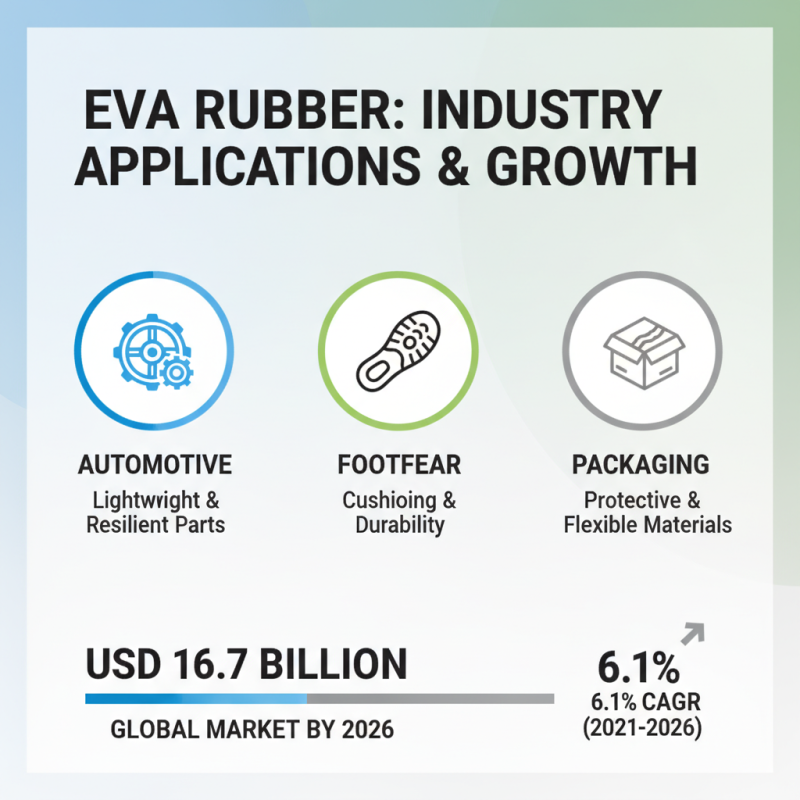
EVA rubber, or ethylene-vinyl acetate rubber, is becoming essential across various industries. Its versatility stems from its unique properties. Industries such as automotive, footwear, and packaging heavily utilize EVA due to its lightweight nature and resilience. Reports indicate that the global EVA market is projected to reach USD 16.7 billion by 2026, growing at a CAGR of 6.1% from 2021 to 2026. This growth highlights its significance in manufacturing processes.
In the automotive sector, EVA rubber plays a crucial role in enhancing vehicle insulation and soundproofing. Its ability to withstand extreme temperatures makes it suitable for various components. A study found that vehicles with EVA materials showed a reduction in noise levels by up to 30%. In the footwear industry, EVA is favored for making comfortable soles. The material's cushioning properties enhance wearability, significantly impacting consumer satisfaction.
Despite these advantages, challenges exist. EVA rubber can degrade under UV exposure, limiting its longevity. Companies are working on enhancing UV resistance to extend product life. Many manufacturers are also exploring sustainable alternatives to traditional EVA, aiming to reduce environmental impact. These steps reflect the industry's current focus on ecological responsibility.
Benefits of Using Eva Rubber for Your Business
Eva Rubber is increasingly recognized for its versatility and durability, making it a popular choice across various industries. According to recent industry reports, the global EVA market is projected to reach $10 billion by 2028, driven by its wide application in sectors such as automotive, packaging, and footwear. This growing trend underscores Eva Rubber's potential benefits for businesses seeking innovative materials.
One significant advantage of Eva Rubber is its lightweight nature, which can significantly reduce transportation costs. Companies that switch to EVA products often report cutting shipping expenses by up to 20%. Additionally, Eva Rubber's excellent shock absorption properties enhance product longevity, resulting in fewer returns and higher customer satisfaction rates. In a study conducted by the Material Science Institute, products made from Eva Rubber showcased a 30% reduction in wear and tear compared to traditional materials.
Tips: When considering Eva Rubber for your next project, ensure you conduct material tests. Understanding the right formulations can lead to optimal performance. Also, keep an eye on your production costs; initial investments can be offset by long-term savings. Always review supplier reputations and seek certifications that validate their quality for your peace of mind. Choose wisely for your business!
Comparing Eva Rubber with Other Rubber Types
When comparing EVA rubber with other rubber types, several distinct features stand out. EVA rubber is known for its superior flexibility and resilience. Unlike traditional rubber, it offers a lightweight alternative that can withstand various environmental conditions. This flexibility makes it ideal for numerous applications, from footwear to padding. Other rubber types, like natural rubber, may lack this level of durability when exposed to UV light or chemicals.
Cost-effectiveness is another advantage of EVA rubber. Production processes are often less expensive, making it appealing for businesses seeking to reduce manufacturing costs. In contrast, natural rubber can be costly and requires more extensive sourcing efforts. Additionally, EVA rubber is more resistant to tearing and abrasion, offering longevity that some synthetic rubbers struggle to match.
Despite its many advantages, EVA rubber has limitations that require reflection. It may not perform as well in extreme temperatures compared to neoprene or silicone rubber. Businesses must weigh these factors against their specific needs. Understanding these nuances can help decision-makers choose the right rubber type for their applications. Evaluating the trade-offs ensures that businesses make informed decisions tailored to their unique requirements.
What is Eva Rubber and How Can It Benefit Your Business? - Comparing Eva Rubber with Other Rubber Types
| Rubber Type |
Durability |
Flexibility |
Weight |
Cost |
Applications |
| EVA Rubber |
High |
Excellent |
Lightweight |
Moderate |
Footwear, Sporting Goods |
| Natural Rubber |
Very High |
Good |
Moderate |
Low |
Tires, Industrial Products |
| Neoprene |
High |
Fair |
Heavy |
High |
Wetsuits, Gaskets |
| Silicone Rubber |
Excellent |
Good |
Moderate |
High |
Medical Devices, Cooking Utensils |
| EPDM Rubber |
Good |
Fair |
Moderate |
Moderate |
Roofing, Automotive Seals |