What is Eva Sheet Roll and its Benefits for Global Buyers?
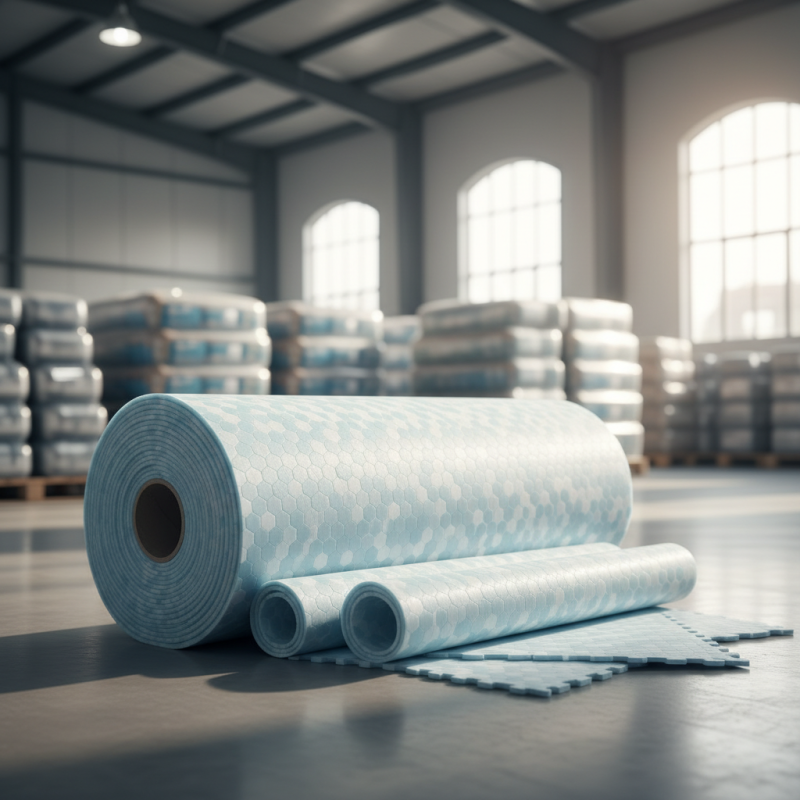
Eva Sheet Roll is gaining popularity in various industries. This versatile product offers numerous advantages to global buyers. Crafted from ethylene-vinyl acetate, Eva Sheet Roll is known for its flexibility and durability.
Many industries benefit from Eva Sheet Roll. Its lightweight nature makes it easier to transport. Additionally, this material offers excellent cushioning. It is ideal for packaging and insulation. Many manufacturers appreciate its waterproof properties. This feature enhances product longevity.
However, buyers should consider sourcing practices. Not all suppliers are equal. Quality control varies significantly. Researching potential vendors is essential. Buyers must prioritize reliable sources. By doing so, they can ensure they receive top-notch Eva Sheet Roll. It’s worth reflecting on your options before making a decision.
What is Eva Sheet Roll?
Eva sheet roll is a versatile material, widely used in various industries. This product is primarily composed of ethylene-vinyl acetate (EVA), known for its excellent flexibility and durability. The global EVA market was valued at approximately 7.68 billion USD in 2021 and is projected to grow at a CAGR of over 6% from 2022 to 2030. This statistic highlights the increasing demand for EVA products.
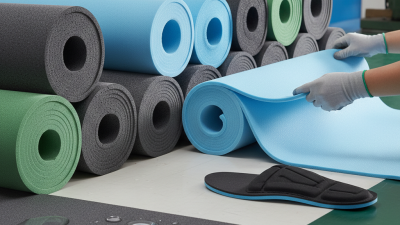
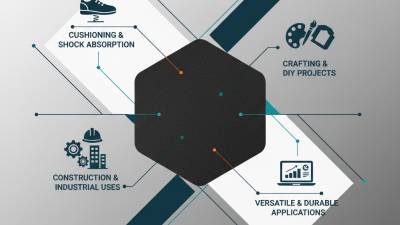
The applications of Eva sheet roll extend across several sectors. It is commonly used in packaging, footwear, sports equipment, and automotive components. Its lightweight nature and cushioning properties make it an ideal choice for these applications. Additionally, Eva sheet rolls are resistant to UV rays, enhancing their longevity in outdoor settings.
Tips: When selecting Eva sheet rolls, consider thickness and density. Thicker sheets provide better cushioning while denser materials offer improved durability. Be mindful of your specific needs, as not all Eva sheets will suit your application. The key is to balance quality with your budget to avoid overspending or purchasing subpar materials.
Benefits of EVA Sheet Roll for Global Buyers
Composition and Manufacturing Process of Eva Sheet Roll
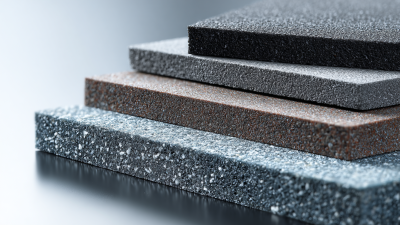
Eva Sheet Roll is composed primarily of ethylene-vinyl acetate (EVA) copolymer. This material is known for its exceptional flexibility and durability.
The production process involves the blending of EVA with various additives to enhance its performance. The sheets are formed through extrusion or calendaring techniques. During extrusion, the EVA mixture is melted and shaped into sheets.
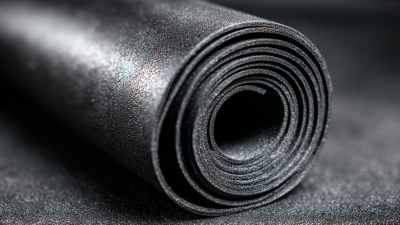
In calendaring, the material is pressed through rollers to achieve desired thickness and smoothness.
Research indicates that the global demand for EVA products is on the rise. According to a report by MarketsandMarkets, the EVA market is expected to grow significantly, reaching an approximate value of $10 billion by 2025.
This growth highlights the material's versatility, making it suitable for various applications, such as packaging, automotive, and footwear industries. However, the manufacturing process does have challenges.
Achieving consistent quality across batches can be complex. Variations in temperature and pressure may lead to inconsistencies in sheet thickness or surface finish.
Many manufacturers are adopting advanced technology to address these issues. Real-time monitoring and automated adjustments during production help ensure uniform quality.
Additionally, sustainability has become a focal point. The industry is exploring ways to incorporate recycled materials into EVA production while maintaining quality standards.
These efforts reflect a growing awareness of environmental impact.
Key Benefits of Eva Sheet Roll for Global Buyers
Eva Sheet Roll has gained significant attention in various industries due to its versatility and unique properties. This material offers numerous advantages for global buyers. Notably, Eva sheets are known for their excellent shock absorption and cushioning capabilities. According to a recent report, the global EVA market is expected to reach $20 billion by 2028, demonstrating robust demand.
The lightweight nature of Eva Sheet Roll makes it easy to handle and transport. This factor is crucial for manufacturers targeting cost efficiency. In construction, for example, Eva materials are used for insulation and waterproofing, helping to achieve long-term durability. Additionally, the chemical resistance of Eva sheets allows them to be used in diverse environments, further enhancing their appeal.
However, buyers should be aware of certain limitations. Factors such as temperature sensitivity can affect performance in extreme conditions. Proper storage and handling are necessary to maximize usability. Even with these concerns, the benefits of Eva Sheet Roll remain compelling. Its application in consumer products and industrial sectors highlights its growing relevance in today’s market.
What is Eva Sheet Roll and its Benefits for Global Buyers? - Key Benefits of Eva Sheet Roll for Global Buyers
| Feature |
Benefit |
| Lightweight |
Easy to transport and handle, reducing shipping costs for buyers. |
| Durability |
Excellent resistance to wear, ensuring longevity in various applications. |
| Water Resistance |
Ideal for outdoor applications, preventing damage from moisture. |
| Customization |
Can be produced in various colors, thicknesses, and dimensions to meet specific buyer needs. |
| Eco-Friendly Options |
Available in recycled forms, appealing to environmentally-conscious buyers. |
| Cost-Effectiveness |
Competitive pricing makes it accessible for a wide range of applications across industries. |
Applications of Eva Sheet Roll in Various Industries
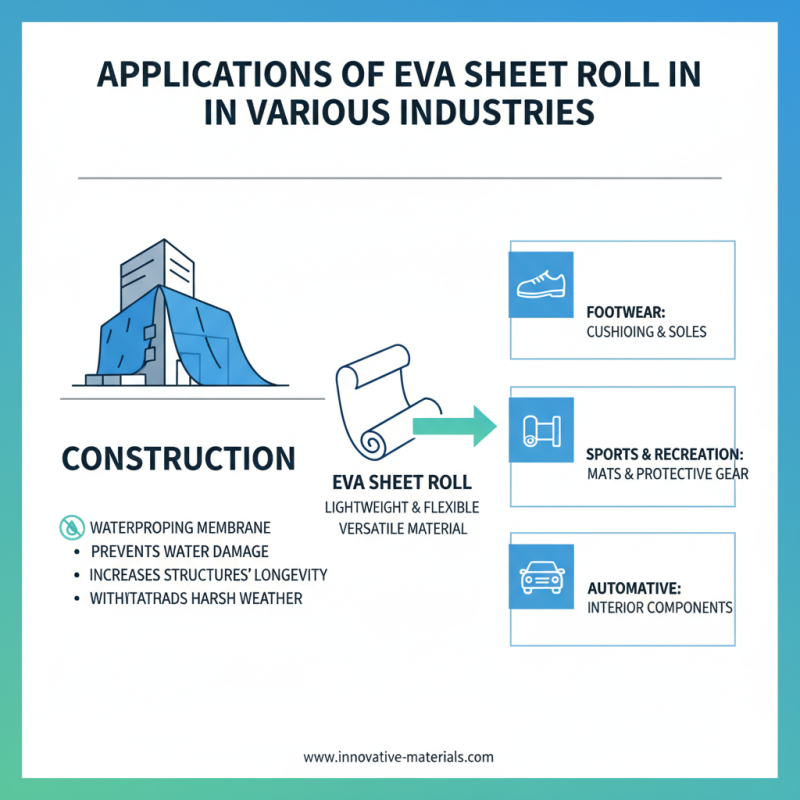
EVA sheet roll is becoming essential across various industries. Its lightweight nature and flexibility make it a popular choice for many applications. In construction, EVA sheet rolls are used as waterproofing membranes. They help in preventing water damage and increase the longevity of structures. The ability to endure harsh weather conditions makes them reliable in outdoor environments.
In the automotive industry, EVA sheet rolls serve as cushioning materials. They enhance comfort and reduce noise in vehicles. Their excellent shock-absorbing properties protect sensitive parts during transit. Furthermore, in the footwear sector, EVA sheets provide a soft and comfortable base. However, while they offer many benefits, sourcing high-quality materials can be challenging. Not all suppliers meet the same standards, which can lead to inconsistencies.
Electronics also leverage EVA sheet rolls for insulation purposes. They provide protection against moisture and dust. This application is critical in maintaining the lifespan of electronic devices. Makers sometimes find it hard to ensure uniform thickness, which affects product quality. Overall, while EVA sheet rolls present vast potential, buyers should navigate their options carefully to ensure reliability.
Comparison with Other Materials Used in Sheet Roll Production
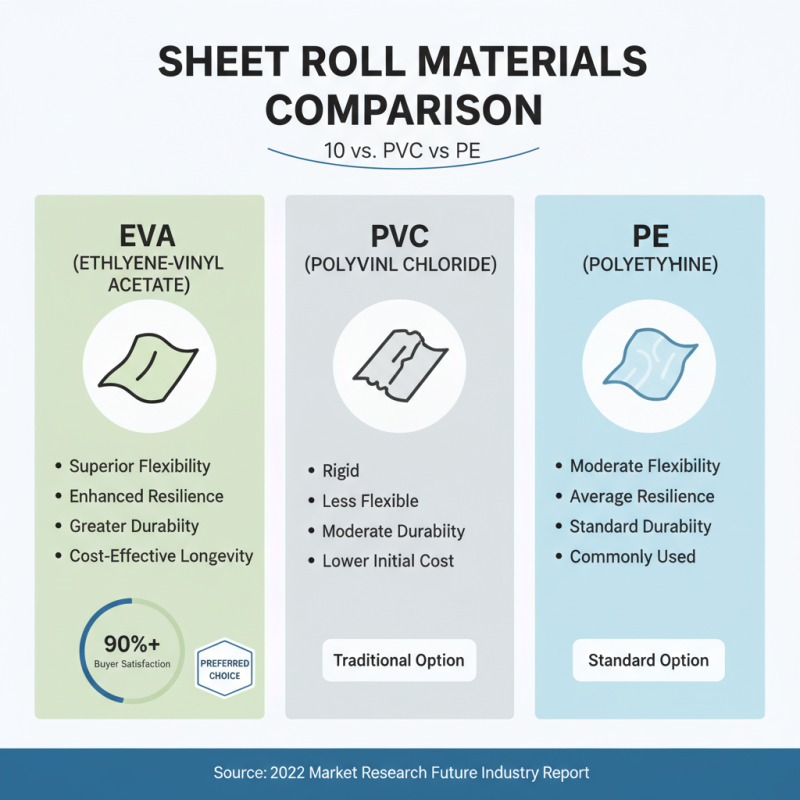
When evaluating materials for sheet roll production, EVA (ethylene-vinyl acetate) stands out. It exhibits unique properties that set it apart from traditional options like PVC and PE. According to a 2022 industry report by Market Research Future, EVA sheets provide improved flexibility and resilience, resulting in greater durability. This longevity appeals to buyers seeking cost-effective solutions.
In contrast, materials such as PVC often lack the same degree of elasticity, leading to potential cracking when exposed to extreme conditions. Moreover, PE sheets tend to be less protective, offering limited resistance to environmental stressors. The PFA (Polytetrafluoroethylene) report indicates that while PFA has excellent heat resistance, it’s not as versatile in applications where flexibility is crucial.
Buyers should consider how important sustainability is in their material selection. EVA is regarded as more environmentally friendly than its counterparts, as it’s often manufactured with fewer harmful additives. This consideration resonates with a growing segment of consumers who prioritize eco-conscious choices. Yet, the initial cost may be higher for EVA compared to PVC, warranting reflection on the overall value versus longevity trade-off.