What is a Pe Plastic Bag and its Uses in Daily Life?
PE plastic bags are common in our daily lives. They are lightweight and versatile. Many people use them for shopping, storage, and packaging. These bags have a smooth texture and are often transparent.
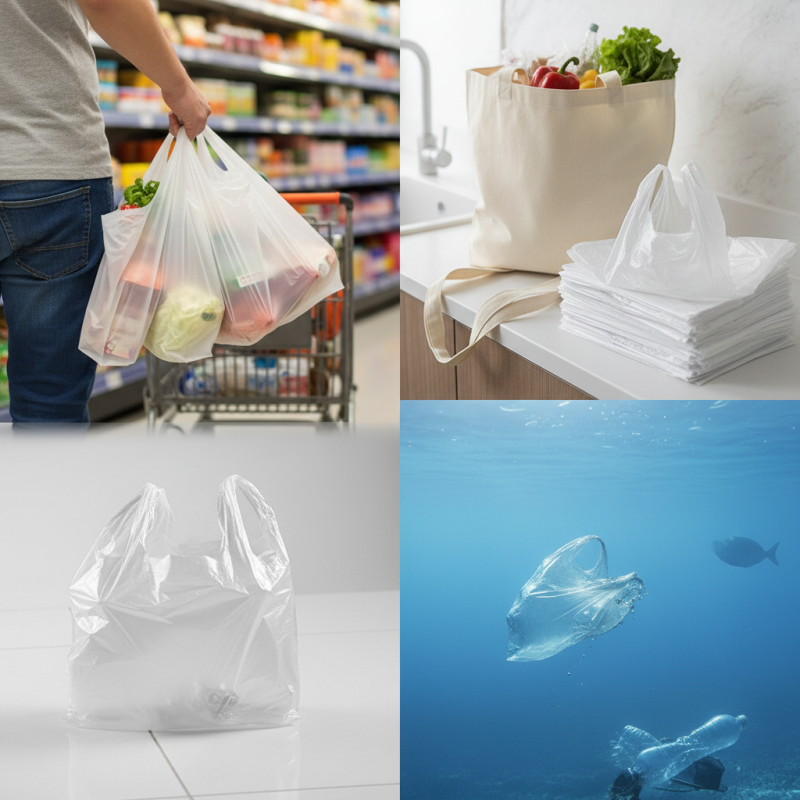
In grocery stores, PE plastic bags are quite popular. Shoppers rely on them to carry their purchases. They are durable enough to hold several items. However, their convenience comes with environmental concerns. Many bags end up in landfills and oceans, affecting wildlife.
We need to reflect on our dependence on PE plastic bags. While they serve practical purposes, their impact cannot be ignored. Finding alternatives or using reusable bags could help lessen the environmental burden. Awareness is crucial in making better choices.
What is PE Plastic and Its Properties?
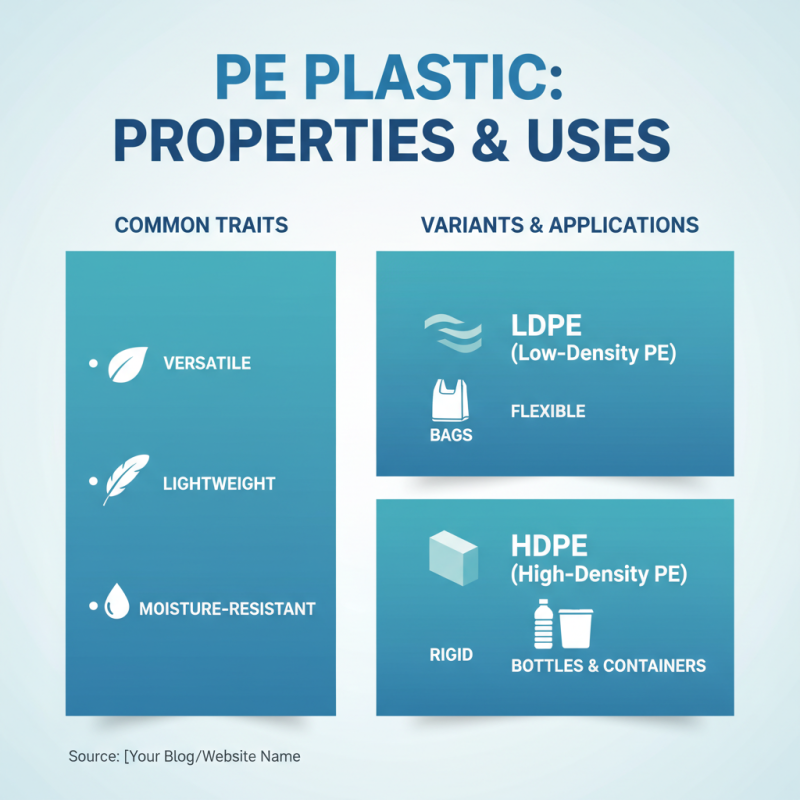
Polyethylene (PE) plastic is a common material found in many products we use daily. It’s versatile, lightweight, and resistant to moisture. This type of plastic comes in various forms, such as low-density polyethylene (LDPE) and high-density polyethylene (HDPE). Each variant has unique properties that make it suitable for different applications. For example, LDPE is flexible and often used for plastic bags, while HDPE is more rigid, suitable for containers and bottles.
One interesting aspect of PE plastic is its durability. It can last for hundreds of years in the environment. This characteristic causes concerns about pollution and waste management. Many people enjoy its convenience but don’t think about its impact. Furthermore, the recyclability of PE plastic is another area for reflection. While it’s technically recyclable, not all facilities accept it. This often leads to significant amounts being disposed of improperly. Awareness and education around PE plastic can help users make better choices.
Common Types of PE Plastic Bags Available in the Market
PE plastic bags are versatile and widely used in our daily lives. They come in various types, each tailored for specific purposes. Commonly found types include shopping bags, garbage bags, and food storage bags.
Shopping bags are lightweight but strong. They are great for carrying groceries or other items. Garbage bags are available in different sizes. They help keep waste contained and are often used at home or in public spaces.
Food storage bags are designed to keep perishable items fresh. They can be sealed tightly, providing a barrier against air and moisture. This makes them ideal for leftovers or meal prep. Some bags even come with zip-lock features that enhance convenience.
Remember to check if the bags are recyclable when disposing of them.
Tips: When using plastic bags, try to minimize waste. Reusing bags can be a simple habit to adopt. When possible, opt for biodegradable alternatives. Think about the environmental impact of your choices. This awareness can inspire others to follow suit. Plastic bags serve their purpose, but reflection on usage is crucial.
Practical Uses of PE Plastic Bags in Daily Life
PE plastic bags are widely used in daily life due to their versatility and practicality. These bags are lightweight, durable, and resistant to moisture. They can be found in various settings, such as grocery stores, retail shops, and households. People often use them for grocery shopping, ensuring that wet or leaking items don’t spoil other purchases. They are also handy for organizing items at home, from toys to seasonal decorations.
Many choose PE bags for convenience. They are easy to carry and dispose of. The issue, however, is that they contribute to environmental pollution. While they serve immediate purposes, many bags end up in landfills or oceans. This raises questions about sustainability and waste management. It is essential to reflect on our usage habits and consider alternatives, such as reusable bags, to reduce their environmental impact.
Daily Uses of PE Plastic Bags
Environmental Impact of PE Plastic Bags
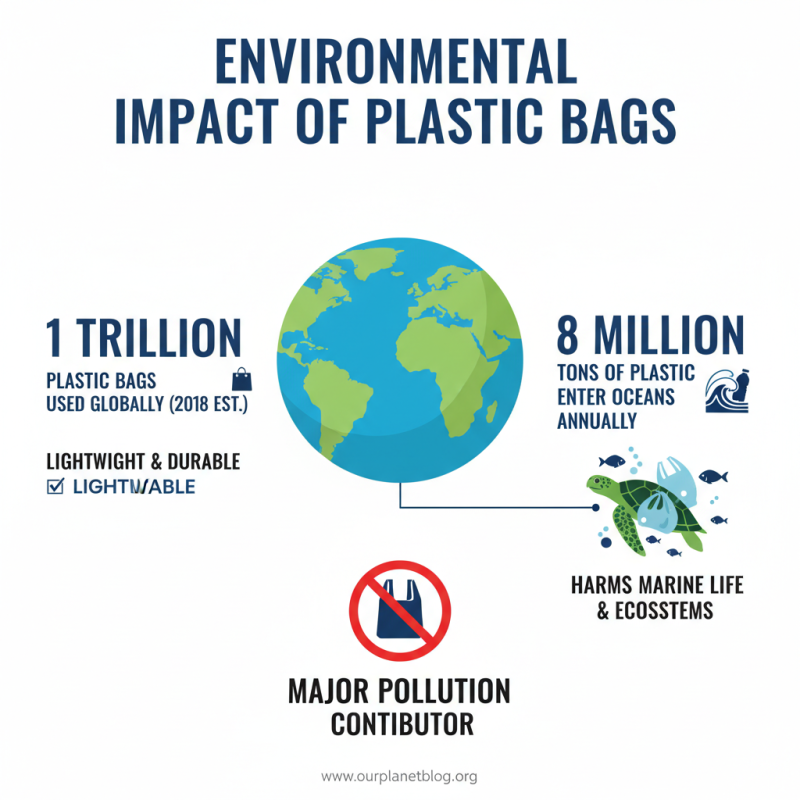
The environmental impact of PE plastic bags is significant. In 2018, it was estimated that 1 trillion plastic bags were used globally. These bags are lightweight and durable, making them popular for daily use. However, they are also a major contributor to pollution. Approximately 8 million tons of plastic enter the oceans each year. This pollution affects marine life and ecosystems.
Many people are unaware that PE plastic bags can take hundreds of years to decompose. In landfills, they become part of the soil, impacting local flora and fauna. Recycling rates for plastic bags are alarmingly low, often less than 10%. This contributes to the accumulation of plastic waste. Each year, the average person uses around 300 plastic bags. If we don't change our habits, this number could rise.
Waste management strategies are lacking in many areas. Public awareness about the effects of plastic bags is essential. Solutions like reusable bags are gaining popularity, yet habit change takes time. Some places have begun to ban single-use plastics, but the implementation is inconsistent. Reflection on our plastic consumption habits is necessary for a sustainable future.
Alternatives to PE Plastic Bags and Their Benefits
Plastic bags are common in daily life, but alternatives exist. Many people are unaware of eco-friendly options. Switching to alternatives can greatly reduce plastic waste.
One popular choice is reusable cloth bags. They come in various sizes and colors. Strong and washable, these bags can last for years. Another option is biodegradable bags made from plant materials. They break down quickly, reducing harm to the environment.
Tips for switching: Keep reusable bags in your car or by the front door. This way, you won't forget them during shopping trips. Choose bags that fold into small pouches for convenience. Consider using a combination of bags for different tasks.
Remember, every small change counts. Reflect on your habits and seek better choices. Avoid using single-use plastics, and encourage friends to do the same. Making mindful decisions shapes a healthier planet.
What is a Pe Plastic Bag and its Uses in Daily Life? - Alternatives to PE Plastic Bags and Their Benefits
| Type of Bag |
Material |
Uses |
Environmental Impact |
Alternatives |
| PE Plastic Bag |
Polyethylene |
Grocery shopping, packaging |
Non-biodegradable, contributes to plastic pollution |
Recyclable bags, paper bags |
| Biodegradable Bag |
Corn starch, PLA |
Grocery, composting |
Breaks down in composting environments |
Reusable bags |
| Reusable Shopping Bag |
Cotton, jute, recycled plastic |
Daily shopping, long-term use |
Reduces single-use plastic waste |
Cloth bags, baskets |
| Paper Bag |
Paper |
Takeout, gifts, retail |
Biodegradable, sustainable if sourced responsibly |
Reusable bags, packaging alternatives |