10 Tips for Choosing ESD Shielding Bags for Global Sourcing
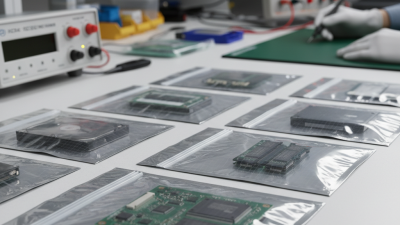
Choosing ESD Shielding Bags for global sourcing involves more than comparing prices or reading product descriptions. The wrong bag can leave a circuit board exposed during storage, air shipment, or customs inspection. A reliable selection process examines shielding performance, static-dissipative surfaces, material thickness, closure quality, and packaging consistency.
ESD control educator John M. Kolyer expresses the core principle clearly: “ESD protection is a system, not a single package.” This idea should guide every sourcing decision. A bag must match the device, handling process, and shipping environment. For example, a sensitive controller may need a metal-in shielding bag, sealed with enough space to avoid stressing sharp component leads. A humid warehouse creates different risks from a dry aircraft cargo hold.
The following ten tips focus on practical purchasing details. They cover bag construction, shielding specifications, sizing, transparency, labeling, moisture concerns, supplier testing, sample approval, and order traceability. Ask for test evidence, not attractive claims. Request samples before placing a large order. Check whether the supplier can maintain consistent resistance values across production batches. Small differences matter.
Global sourcing is rarely perfect. Even experienced buyers can overlook printing ink, zipper damage, or weak seals. That deserves reflection. A low-cost bag may increase inspection time, rework, or product loss. It may also create confusion when packaging labels differ between factories. Clear specifications reduce these risks. So does a documented incoming inspection.
The best choice is not always the thickest bag or the cheapest quotation. It is the bag that protects the device reliably throughout its real journey. That journey matters.
Define ESD Protection Needs and Handling Conditions
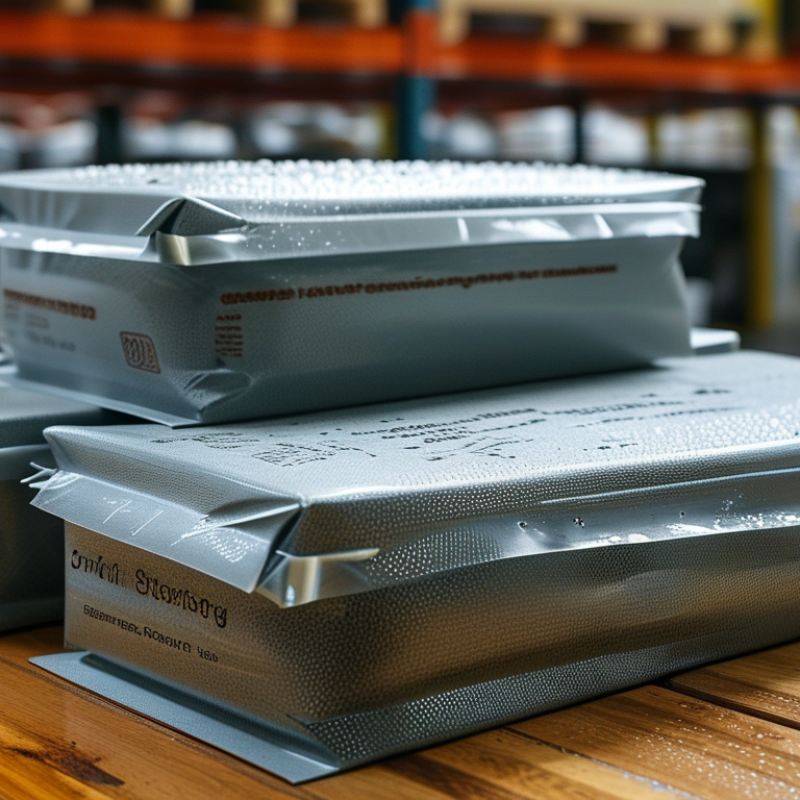
Before selecting an ESD shielding bag, define what the device can tolerate. Review its voltage sensitivity, exposed contacts, size, and storage duration. A small sensor may need tighter protection than a rugged controller. Do not rely on a generic “ESD safe” label. Ask for shielding performance data, surface resistance, and lot-level inspection records. These details make supplier comparisons more reliable across countries.
Handling conditions matter just as much. Map the journey from assembly bench to warehouse, air shipment, and final opening. Will operators wear grounded wrist straps? Could bags rub against plastic trays, metal shelves, or clothing? If moisture, dust, or temperature changes are expected, specify them before purchasing. Choose a bag with enough clearance for the part and cushioning, but avoid excessive empty space. I have seen oversized bags fold sharply around leads; the package looked protected, yet repeated creasing weakened handling discipline. That was a useful warning.
Define how protection will be checked. Use incoming inspection, packaging audits, and clear acceptance limits. Record bag dimensions, closure method, shielding test results, and production batch. Train workers to close the opening fully and avoid touching the component directly. A bag is not a grounding system. It works within a controlled process. Reassess the choice after field feedback, because the first specification may be incomplete. Small details decide reliability.
Compare Bag Materials, Shielding Layers, and Mechanical Strength
ESD Shielding Bags for Global Sourcing
Bag selection begins with material, not price. Metallized polyethylene offers visible shielding and useful flexibility. Aluminum-laminated films usually provide stronger attenuation, but they can crease and crack. Conductive polyethylene protects against charge buildup, yet it may not block external fields alone. The ESD Association’s ESD Fundamentals guidance notes that sensitive devices can suffer damage below 100 volts. That makes material verification essential.
Shielding layers deserve closer inspection. Ask suppliers for surface resistance, shielding effectiveness, and decay-time test results. IEC 61340-5-1 provides a recognized framework for electrostatic control programs. A bag can pass one test and still fail in real handling. Humidity, folds, seals, and repeated opening change performance. I have seen specifications look excellent until a sharp connector punctured the film. Mechanical strength is not a minor detail. Compare tensile strength under ASTM D882, puncture resistance, and tear results. Use ISTA or ASTM distribution testing for shipment simulation.
Tips:
- Match bag size closely.
- Avoid excessive empty space.
- Check film thickness in microns.
- Request lot-level certificates.
- Test shielding after folding.
- Inspect heat-seal width.
- Add cushioning for sharp leads.
- Verify transparent visibility needs.
- Confirm storage temperature limits.
- Sample bags from every production lot.
Do not rely only on supplier claims. A simple receiving test can expose weak seals, inconsistent resistance, or damaged shielding layers before export.
Choose the Right Dimensions, Closure Style, and Package Design
When sourcing ESD shielding bags globally, dimensions deserve more attention than catalog labels.
Measure the component, leads, and protective padding as one packing set. Add enough clearance for insertion, but avoid a loose cavity that lets parts slide. A bag that fits closely reduces movement and helps prevent edge damage. Record dimensions in millimeters, including flap length and seal area. Do not rely on nominal sizes alone. Manufacturing tolerances can change usable space.
Closure style should match the handling process.
Adhesive flaps suit quick packing, while heat sealing offers stronger tamper evidence. Reusable closures work well when technicians inspect components repeatedly. Check whether the closure remains outside the sensitive area during sealing. It should not press against pins or connectors. Ask suppliers for closure drawings, material details, and test data. Clear specifications improve consistency between factories.
Package design also affects protection during international transport.
Use separators when metal leads could touch nearby parts. Keep sharp edges away from the bag film. Select outer cartons that resist compression without creating excessive empty space. Labels should remain readable after handling and humidity changes.
I have seen correctly sized bags fail because cartons allowed heavy movement. That lesson is easy to overlook.
No design is perfect, either. A slightly larger bag may simplify packing, but it can increase sliding and static-control risks. Trial packing with real components remains more reliable than choosing from a size chart.
Verify Testing Standards, Certifications, and Product Traceability
When globally sourcing ESD shielding bags, verify evidence before comparing prices. The bag must match the required protection level and handling environment.
ANSI/ESD S541 defines packaging practices for ESD-sensitive items, while IEC 61340-5-1 supports broader electrostatic-control programs. Ask suppliers for recent test reports, not only generic compliance statements. Reports should identify test methods, conditioning humidity, sample size, and laboratory details. Surface resistance, shielding attenuation, and charge decay results matter. A certificate without these details is weak evidence.
Traceability deserves equal attention. Each shipment should link to a production lot, material formulation, manufacturing date, and inspection record. Check whether the certificate covers the exact bag structure, including metalized film thickness and closure design. ASTM D257 is commonly referenced for electrical resistance testing, but the laboratory must explain its test configuration. MarketsandMarkets’ 2024 ESD packaging assessment projects continued market growth through 2028, reflecting stronger demand for documented protection across electronics supply chains. Growth alone proves nothing. I have seen technically attractive samples fail after storage in uncontrolled humidity. That risk is easy to miss.
Request retained samples and repeat verification during incoming inspection. Compare printed lot codes with the certificate. Confirm calibration dates for meters and shielding testers. A supplier may provide excellent first samples, then change film sources quietly. That is where traceability becomes practical, not administrative. Deliberately question missing records. Perfect paperwork is rare, but unexplained gaps should stop approval.
Evaluate Global Suppliers, Costs, Lead Times, and Sustainability
Choosing ESD shielding bags for global sourcing requires more than comparing unit prices. Ask suppliers for recent test reports covering shielding performance, surface resistance, thickness, and closure integrity. Request samples from the same production batch. Small differences can affect sensitive components.
Visit the factory when possible, or arrange a documented remote audit. Check material storage, clean handling areas, calibration records, and final inspection procedures. A reliable supplier should explain its corrective actions, not hide them. I once accepted an attractive quotation without checking film thickness carefully. The bags looked fine, but several seals opened during transport. That mistake changed my sampling process.
Costs also include tooling, testing, packaging, freight, duties, and rejected parts. Request a landed-cost estimate with clear assumptions. Compare normal lead times with peak-season capacity. A supplier promising seven days may need three weeks after order confirmation. Confirm production slots, inspection dates, and backup logistics routes in writing. Sustainability needs practical evidence. Ask about recycled content, recyclable structures, solvent use, waste reduction, and factory energy records. However, recycled materials may not deliver stable ESD performance without controlled formulation. Do not reward a green claim before verifying protection data. A lower-impact bag is useful only when it protects the component through storage and shipping. Keep a supplier scorecard, but review it quarterly because performance can drift.