Ultimate Tips for Choosing Eva Sheet Roll for Your Projects?
When embarking on your next project, choosing the right Eva Sheet Roll can make all the difference. According to industry expert Dr. Emily Huang, “The quality of Eva Sheet Roll significantly impacts both durability and performance.” As a versatile material, Eva Sheet Roll finds applications in various sectors, from automotive to crafting.
Understanding the different types and features of Eva Sheet Roll is vital. Thickness, density, and flexibility should guide your decisions. The right choice can enhance your project's success while saving costs in the long run. However, leaving out crucial factors may lead to unsatisfactory results.
Consider seeking samples before committing to a large order. It allows you to gauge quality and suitability firsthand. Many overlook this step, only to regret their choices later. In the competitive landscape of material selection, informed choices lead to lasting benefits. Make your project stand out with the right Eva Sheet Roll.
Understanding Eva Sheet Roll: Properties and Benefits
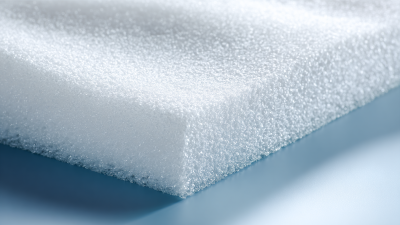
EVA sheet rolls are versatile materials widely used in various projects. Understanding their properties is crucial to making informed choices. These sheets are lightweight, flexible, and durable, making them ideal for applications ranging from craft projects to industrial uses. Their flexibility allows for easy manipulation, which is beneficial in creative endeavors.
The benefits of EVA sheets are numerous. They offer excellent impact resistance and cushioning, which is essential in protective applications. Moreover, EVA sheets are resistant to UV radiation and moisture, providing longevity in outdoor setups. However, despite their advantages, some users may overlook compatibility with certain adhesives or substrates. This can lead to challenges during assembly.
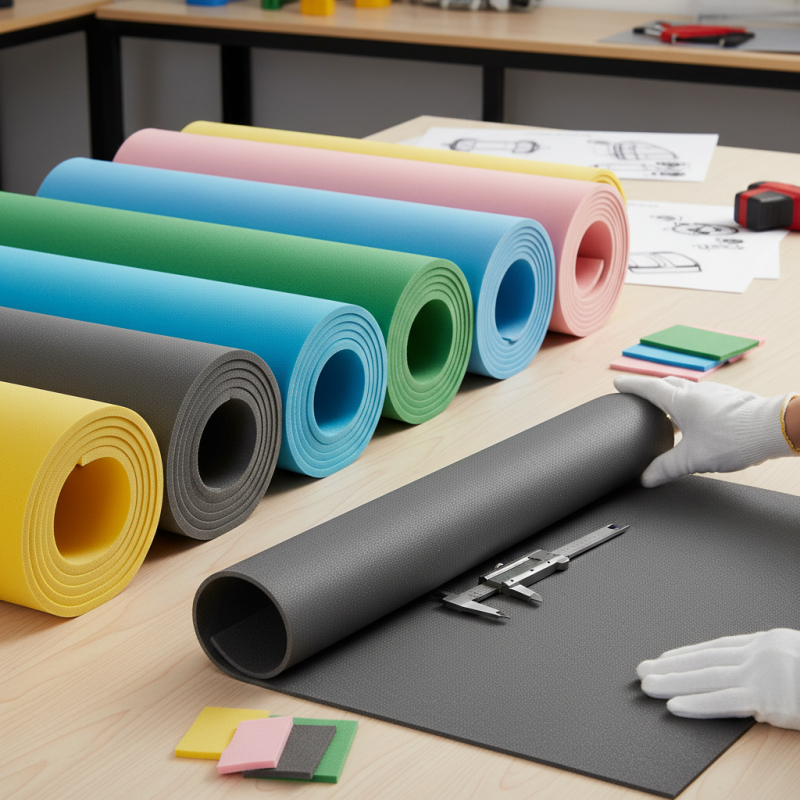
When selecting an EVA sheet roll, consider the thickness and density. Thicker sheets provide more durability but can be harder to work with. Don't hesitate to experiment. Sometimes, the best choice comes from trial and error. Each project may require a unique approach to maximize the material's potential. Balancing flexibility and strength can elevate your craftsmanship.
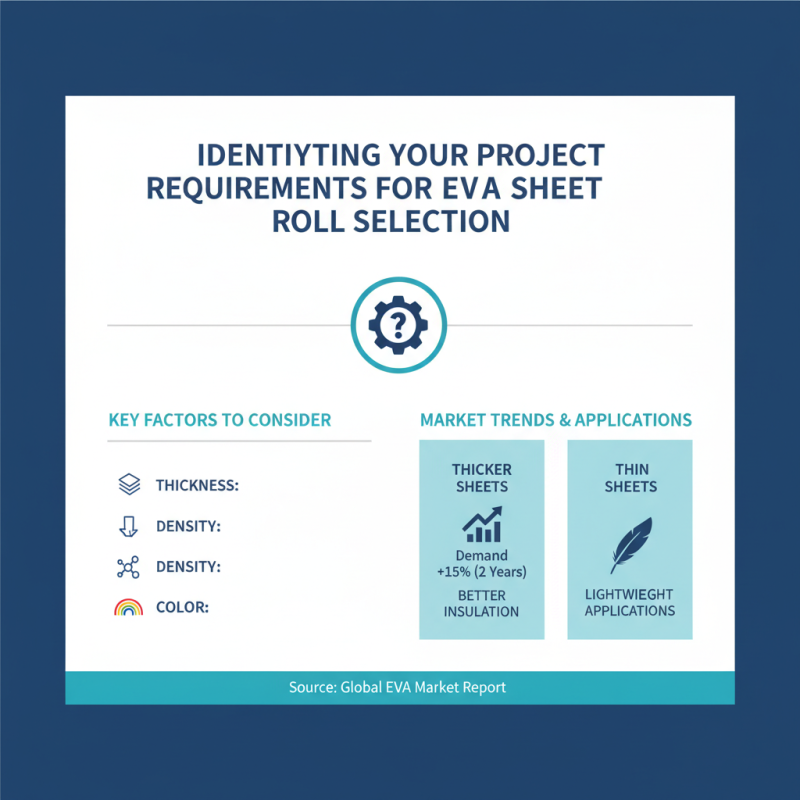
Identifying Your Project Requirements for Eva Sheet Roll Selection
When selecting Eva sheet rolls for projects, understanding your specific requirements is critical. Consider factors like thickness, density, and color. According to the Global EVA Market report, the demand for thicker sheets has increased by 15% over the past two years due to their better insulation properties. Thin sheets, however, are favored for lightweight applications.
Evaluate the environment where the EVA sheet will be used. Will it encounter moisture? Is UV resistance a concern? Research shows that EVA sheets with enhanced UV stability last 30% longer outdoors. Many users overlook this aspect. Choosing the wrong type may lead to premature degradation, affecting project longevity.
Project applications vary widely. Some industries require anti-static properties, while others prioritize cushioning and shock absorption. The latest industry analysis reveals that about 40% of projects failed due to improper material selection. Therefore, thorough research and consultation with experts can help avoid costly mistakes. Evaluating your project's unique needs is integral for informed decision-making in EVA sheet roll procurement.
Types of Eva Sheet Rolls: A Guide to Different Variants
When exploring different types of EVA sheet rolls, it's crucial to understand their unique properties. EVA, or ethylene-vinyl acetate, is popular for its flexibility, durability, and lightweight nature. Common variants include foam sheets, copolymer sheets, and film sheets. Each type serves distinct needs in various projects.
According to a 2021 market report, the global EVA market is projected to reach $15.6 billion by 2027. This growth is largely due to its use in automotive, footwear, and packaging industries. Foam sheets, which account for about 40% of the market share, are often used for cushioning and insulation. Copolymer sheets provide enhanced strength and are excellent for applications requiring thermal resistance.
Despite their benefits, EVA sheets have limitations. For example, higher temperature exposure can lead to deformation. Selecting the right type depends on specific project requirements. Knowledge of thickness, density, and color options is essential. Users often struggle to choose the right variant, leading to suboptimal project results. Such decisions impact overall performance and longevity. Understanding these nuances helps refine choices and ensures successful outcomes.
Ultimate Tips for Choosing Eva Sheet Roll for Your Projects
This chart compares the different types of EVA sheet rolls based on their common applications and characteristics, providing a visual guide for choosing the most suitable option for your projects.
Factors to Consider When Choosing Eva Sheet Roll Thickness
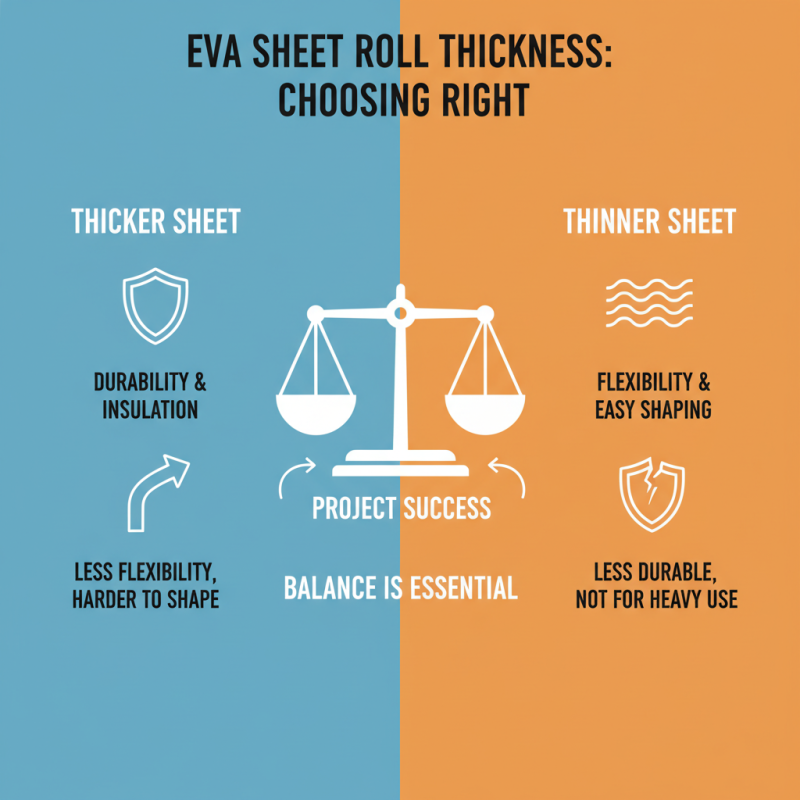
Choosing the right thickness for your Eva sheet roll can significantly impact your project's success. A thicker sheet is durable and provides better insulation. However, it can be less flexible, making it hard to shape when needed. A thinner sheet offers flexibility but may not withstand heavy use. Balance is essential.
When considering thickness, think about the application. For crafts or light projects, a thinner sheet (around 2mm) might suffice. For products needing strength, consider options above 5mm. This choice can enhance functionality but may limit flexibility. Always plan your project details before deciding.
Here are some tips: Measure the space where you'll use the sheets. This ensures a proper fit. Test a sample of different thicknesses before making a bulk purchase. This small step can save you time and materials. Evaluate how often the product will be used; frequent use requires thicker sheets. Allow yourself to reassess your needs throughout the project.
Sourcing Quality Eva Sheet Rolls: Where to Buy and What to Look For
When sourcing quality EVA sheet rolls, it's crucial to consider various factors that impact your project's success. First, evaluate the material's properties. EVA, or ethylene-vinyl acetate, is versatile, known for its flexibility and durability. According to industry reports, EVA's market demand is growing, expected to reach USD 17.5 billion by 2024. This growth is driven by its applications in foam products, footwear, and packaging, highlighting the importance of sourcing from reliable suppliers.
Next, think about the sourcing channels. Trade shows and online marketplaces allow you to compare different suppliers. Attending these events gives firsthand insight into product quality. Industry analyses indicate that suppliers with ISO certifications often maintain higher standards. Yet, not all suppliers meet this criterion. It is wise to ask for samples to evaluate their performance in real-world applications. Checking reviews and testimonials can also provide valuable information but verify the authenticity of these sources.
Consider the environmental impact as well. Many manufacturers now focus on sustainability. An increasingly conscious consumer base demands eco-friendly products. Some suppliers might claim green practices, but not all deliver on such promises. Scrutinize their certifications and environmental policies. Understanding these factors not only enhances informed decision-making but also aligns your projects with sustainable goals.