Top 10 Eva Board Sheet Uses for Global Buyers?
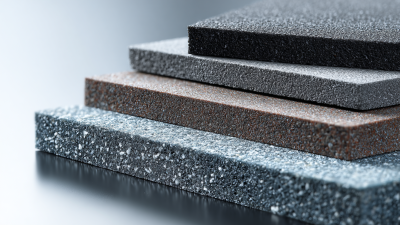
The Eva Board Sheet has become a staple in various industries globally. Recognized for its versatility and durability, many buyers seek to understand its top applications. John Smith, a leading expert in the material industry, states, “The unique properties of Eva Board Sheets open endless possibilities for innovation.” His insight highlights the excitement around this material.
From construction to crafts, the Eva Board Sheet is making significant impacts. Its lightweight nature and resilience against wear make it ideal for a variety of applications. Many manufacturers are exploring new uses, but some overlook the full potential of this material. There’s a constant need for creativity when integrating Eva Board Sheets into products.
Moreover, while the demand is rising, industry players must ensure quality. Not every supplier meets the high standards expected. This can lead to inconsistencies. Understanding the top uses helps navigate these challenges. By leveraging expert insights, businesses can make informed decisions. The world of Eva Board Sheets is vast, and the right application makes all the difference.
Top Applications of EVA Board Sheets in Various Industries
EVA board sheets have gained traction across various industries due to their versatility and performance. One prominent application is in packaging. The global packaging market for EVA is projected to reach
$10 billion by 2025. EVA sheets provide cushioning and protection, ideal for fragile products.
Another vital area is construction. The use of EVA sheets in flooring and insulation has seen a rise, largely due to their durability and moisture resistance. Reports indicate that the construction sector's demand for EVA materials will grow at a
CAGR of 6.5% over the next five years. This growth highlights the importance of quality standards and reliable sourcing in the industry.
The automotive sector increasingly utilizes EVA sheets in interior applications, such as dashboards and seats. This material's lightweight nature contributes to fuel efficiency. However, some manufacturers struggle with
consistency in quality, leading to potential setbacks. As industries evolve, it's crucial to focus on refining processes for better reliability and performance.
Market Demand Trends for EVA Board Sheets: A Global Overview
EVA board sheets are gaining popularity across various industries. The demand for these versatile materials is increasing worldwide. Their light weight and durability make them ideal for multiple applications, from packaging to construction. Trends indicate a shift towards eco-friendly solutions, further boosting the appeal of EVA sheets.
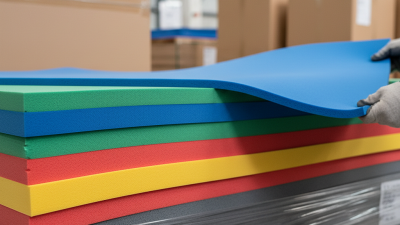
Market analysis reveals a growing interest in customization. Buyers seek specific sizes and colors to meet their unique needs. As more companies aim for sustainability, they prefer materials that align with green initiatives. This has led to an increase in demand for EVA board sheets produced through environmentally friendly processes. However, some manufacturers struggle to adapt to these new standards.
Despite the growth, challenges remain. Not all suppliers can ensure consistent quality. Additionally, fluctuating raw material prices can impact production. Buyers are urged to stay informed about trends and production capabilities. This awareness will help them make better choices in sourcing EVA board sheets. The evolving market presents opportunities, but strategic planning is essential.
Top 10 Eva Board Sheet Uses for Global Buyers
| Use Case |
Market Demand (%) |
Growth Rate (%) |
Key Regions |
| Packaging Industry |
25 |
6 |
North America, Europe |
| Footwear Production |
20 |
5 |
Asia-Pacific, Europe |
| Sports Equipment |
15 |
4 |
North America, Asia-Pacific |
| Automotive Parts |
10 |
3 |
Europe, Asia-Pacific |
| Construction & Building |
8 |
2 |
North America, South America |
| Home Appliances |
5 |
3 |
Asia-Pacific, Europe |
| Toys & Games |
4 |
2 |
North America, Europe |
| Medical Devices |
3 |
1 |
Global |
| Bags & Cases |
2 |
3 |
Europe, North America |
| Insulation Materials |
1 |
2 |
Asia-Pacific |
Comparative Analysis of EVA Board Sheets vs. Traditional Materials
EVA board sheets are gaining traction as a
versatile material in various industries. They are lightweight, durable, and offer a range of applications
from packaging to sports equipment. In comparison with traditional materials like wood and metal, EVA sheets
provide enhanced flexibility and resistance to moisture. A report by Freedonia Group highlights that the
demand for EVA materials is expected to grow by 4% per year,
reaching significant market potential.
In traditional applications, wood is often preferred for its
strength. However, it is susceptible to rot and pests. Meanwhile, EVA board sheets can
withstand harsh conditions, making them a reliable alternative. Furthermore, while metals are strong, they
require significant energy for production. According to the International Energy Agency, switching to EVA can
reduce overall energy usage in manufacturing processes.
It’s important to note a few shortcomings of EVA materials. They may not perform well under extreme
temperatures compared to metals. Additionally, the long-term environmental impact of EVA is still a subject
of debate. Some industries are concerned about recyclability
and degradation. Striking a balance between performance, sustainability, and cost remains a challenge for
buyers exploring these materials.
Sustainability Impact of EVA Board Sheets in Manufacturing Processes
EVA board sheets are gaining traction in various manufacturing processes due to their sustainability credentials. These materials are lightweight and versatile, making them ideal for different applications. Their resilience is one of their main advantages, as they can withstand significant wear and tear without degrading.
The production of EVA sheets typically involves lower carbon emissions compared to traditional materials. However, this does not mean the process is flawless. Challenges in sourcing eco-friendly raw materials still exist. Companies must prioritize responsible sourcing to further enhance their sustainability impact. Additionally, the lifecycle of EVA sheets requires careful management to minimize waste.
Manufacturers are increasingly exploring recycling options for EVA materials. Innovative techniques can reprocess old sheets into new products. Still, the effectiveness of these methods varies by region and available technology. The transition to more sustainable practices in using EVA board sheets is ongoing. Industry stakeholders must address these complexities while pushing for greener solutions. Balancing performance and eco-friendliness remains a significant concern.
Innovative Uses of EVA Board Sheets in Sports and Leisure Products
EVA board sheets have gained popularity in sports and leisure products due to their lightweight and flexible nature. These sheets are used in various applications, enhancing comfort and performance. For instance, in the world of sports, EVA foam is often found in padding for helmets and protective gear. This material provides crucial shock absorption. This helps prevent injuries during intense activities.
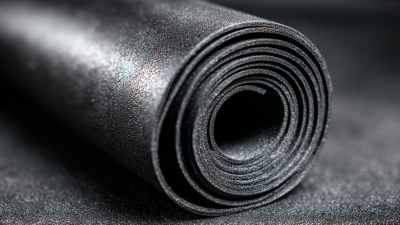
You might find EVA boards used in yoga mats as well. They offer excellent grip and cushioning, making workouts safer and more enjoyable. Many personal trainers and fitness enthusiasts prefer this material to enhance their training sessions. It’s important to choose high-quality EVA foam for durability. Cheap alternatives may wear out quickly.
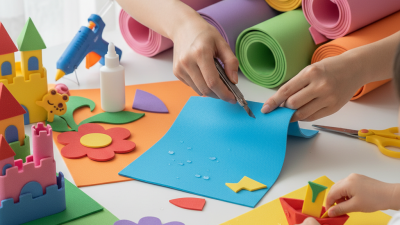
When it comes to leisure activities, EVA sheets shine in crafting and DIY projects. They can be shaped or painted, allowing for creativity to take center stage. However, a common challenge is selecting the right thickness for your project. Too thin may not provide the needed support. Too thick can be difficult to work with. Always test different options before committing to a final design. Understanding the material’s characteristics will lead to better results.