Top 10 Eva Rubber Suppliers for Global Buyers in 2026?
As the demand for Eva Rubber continues to grow, buyers face challenges in sourcing quality suppliers. In 2026, the landscape of Eva Rubber suppliers will evolve significantly. This versatile material, known for its durability and lightweight properties, has applications in various industries. From footwear to automotive, its influence is expanding.
To navigate this complex market, global buyers need reliable insights. Understanding supplier capabilities is crucial. Many companies may claim to deliver top-quality Eva Rubber, but actual performance varies. This requires careful evaluation of suppliers' track records and customer feedback. Knowledge about material specifications and production standards can aid buyers in decision-making.
Choosing the right supplier is not just about price. Quality assurance and industry certifications hold great importance. Buyers must reflect on their unique needs and supplier capabilities. In this dynamic market, making informed choices can prevent setbacks and ensure successful partnerships.

Understanding EVA Rubber: Properties and Applications
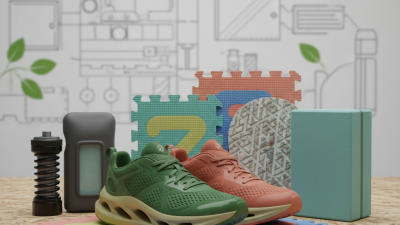
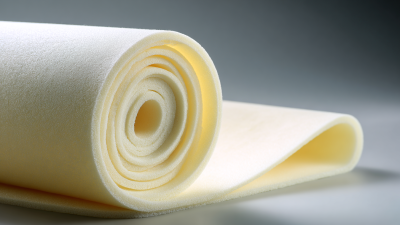
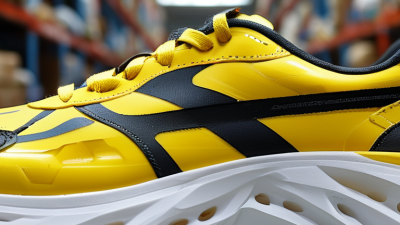
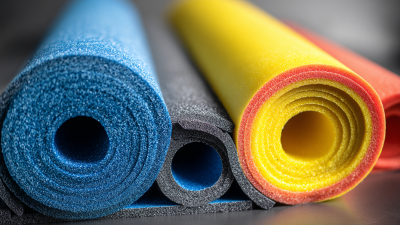
EVA rubber, or ethylene-vinyl acetate, is gaining traction for its unique properties. It is known for flexibility and durability. This makes it ideal for various applications across multiple industries. In footwear, EVA rubber provides excellent cushioning. It absorbs impact and enhances comfort. In the automotive sector, it is used for sound dampening and insulation.
The versatility of EVA rubber extends to packaging materials as well. Its lightweight nature reduces shipping costs. Additionally, it is resistant to UV radiation, making it suitable for outdoor applications. However, sourcing high-quality EVA rubber can be challenging. Not all suppliers meet the same standards, leading to variations in performance.
There are many considerations when choosing an EVA supplier. Always evaluate their production processes. Look for certifications and past client reviews. This helps establish their reliability. Product consistency is crucial, as defects can lead to increased costs and customer dissatisfaction. Global buyers should focus on suppliers that prioritize quality control and sustainability.
Criteria for Selecting Reliable EVA Rubber Suppliers
When selecting EVA rubber suppliers, it is crucial to assess their credibility. Check for certifications that demonstrate quality assurance. Suppliers with ISO certifications often adhere to strict industry standards. Consider their experience in the market. Suppliers with several years of expertise can better understand the nuances of customer needs.
A reliable supplier should be transparent about their manufacturing processes. This insight builds trust and allows for better collaboration. Ask for references from previous clients. A well-established supplier should gladly provide you with contacts. Reach out to these references to gauge their satisfaction with the supplier’s products and services.
Communication is key. Assess how responsive and knowledgeable the supplier is during initial inquiries. A quick, informed response can reflect their overall customer service. Remember, a good supplier should not only provide products but also support your business's growth. Evaluate their capacity to scale with your needs.
Consider visiting the supplier's facilities if feasible. This provides firsthand insight into their operations. Observing the production environment can reveal their commitment to quality. The right supplier can significantly impact your business, both positively and negatively. Stay vigilant in this selection process.
Top 10 EVA Rubber Suppliers - 2026 Global Market Analysis
Top Global EVA Rubber Suppliers: A Comprehensive Overview
The global EVA rubber market is evolving rapidly. According to recent data, the market was valued at approximately $7 billion in 2021, with projections suggesting a compound annual growth rate (CAGR) of around 5% through 2026. This growth is driven by increased demand from various end-use sectors, including automotive and footwear. Suppliers are diversifying their portfolios to meet these rising needs.
Leading EVA rubber suppliers are expanding their production capabilities. They focus on sustainable practices, aiming to reduce their carbon footprints. Advanced technologies are being adopted to enhance product quality and reduce costs. However, some manufacturers face challenges in maintaining quality while scaling operations. This discrepancy can affect overall reliability.
Quality control remains a key concern in the EVA sector. As competition intensifies, not all suppliers maintain consistent standards. Buyers must be cautious. Partnering with established suppliers who prioritize transparency is crucial. Reliable recommendations and certifications can guide buyers through the selection process, ensuring they choose partners that align with industry standards.
Market Trends and Innovations in EVA Rubber Supply Chains
The EVA rubber market is evolving rapidly. Innovations are shaping supply chains to meet the growing demands of various industries. Producers are adopting sustainable practices. This shift is critical due to increasing environmental concerns. Companies are exploring bio-based materials, aiming for reduced carbon footprints.
A significant trend is the rise of automated processes. Automation enhances efficiency and reduces costs in production lines. Enhanced data analytics improves decision-making. Supply chain transparency is also a focus. This visibility helps track materials and ensures quality. However, challenges remain, like managing raw material shortages.
Global buyers face complexities in sourcing. They must navigate regional differences in regulations. Balancing quality and sustainability is not easy. Suppliers may struggle to keep pace with technological advancements. This dynamic landscape requires a thoughtful approach, prioritizing innovation while addressing these ongoing challenges.
Top 10 Eva Rubber Suppliers for Global Buyers in 2026
| Rank |
Supplier Region |
Monthly Production Capacity (tons) |
Market Share (%) |
Innovative Technologies Used |
| 1 |
Asia |
5000 |
25% |
Recycling Technologies, Advanced Polymer Blending |
| 2 |
Europe |
4500 |
20% |
Biodegradable Additives, Smart Manufacturing |
| 3 |
North America |
4000 |
18% |
Energy-Efficient Production Techniques |
| 4 |
South America |
3500 |
15% |
Sustainable Sourcing Practices |
| 5 |
Middle East |
3000 |
12% |
Incorporation of AI in Process |
| 6 |
Asia |
2800 |
10% |
Innovative Material Compositions |
| 7 |
Europe |
2500 |
8% |
Integration of Renewable Energy |
| 8 |
North America |
2200 |
6% |
Advanced Testing Facilities |
| 9 |
South America |
2000 |
4% |
High-Performance Additives |
| 10 |
Middle East |
1800 |
2% |
Customizable Solutions |
Future Outlook for EVA Rubber Suppliers in 2026
The EVA rubber industry is gearing up for significant transformation by 2026. Innovation will be vital as suppliers adapt to changing market demands. Sustainability is likely to be a major focus. Many suppliers are investing in eco-friendly materials. This shift can attract environmentally conscious clients.
Global buyers will benefit from increased competition. Suppliers will enhance their product offerings and improve their customer service. However, some suppliers might struggle to keep up with these changes. It’s essential to evaluate their capabilities thoroughly. Buyers should look for transparency in sourcing and production.
The future landscape will also depend on regulatory changes. Compliance with international standards is crucial. Suppliers that prioritize quality assurance will stand out. However, maintaining high standards can be challenging. Ongoing challenges will require suppliers to innovate consistently and remain flexible. A careful balance will be needed to meet both customer expectations and regulatory demands.