How to Use Eva Sheet Roll for DIY Projects?
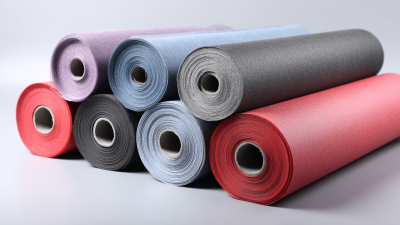
Eva Sheet Roll is an incredible material for various DIY projects. Its flexibility and durability make it ideal for crafting. Whether you're a beginner or an expert, Eva Sheet Roll can elevate your creations.
Using Eva Sheet Roll can seem daunting at first. You may struggle to figure out the best techniques or designs. However, once you start experimenting, the possibilities are endless. You can create everything from custom decorations to practical items.
Incorporating Eva Sheet Roll into your projects allows for creativity and innovation. It's not always perfect, and mistakes can happen. Embrace those flaws. They can lead to new ideas and improvements. This material encourages you to think outside the box and challenge your skills.
Understanding Eva Sheet Roll: Properties and Benefits for DIY Projects
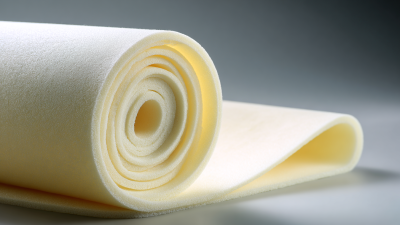
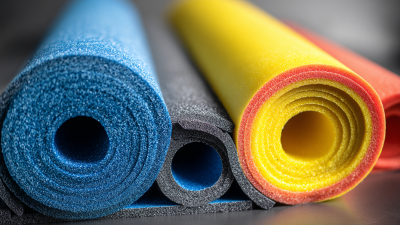
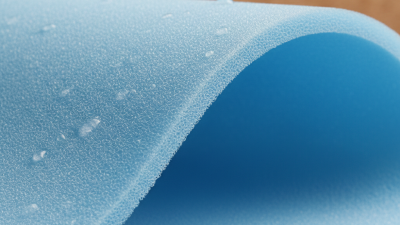
Eva sheet rolls are versatile materials ideal for various DIY projects. They are lightweight and flexible, making them easy to cut and shape. This flexibility allows for creativity in crafting unique items. According to a recent industry report, approximately 75% of DIY enthusiasts prefer materials that are easy to manipulate. Therefore, Eva sheets cater perfectly to these needs.
The properties of Eva sheets make them favorable for different applications. They are resistant to water, abrasion, and UV rays. This durability means projects can withstand wear and exposure to elements. For instance, a DIY mat made from Eva can last longer than one made from ordinary foam. However, achieving the perfect cut can be tricky. Misalignment during cutting can lead to wasted material. Reflecting on this, users should practice cutting techniques before embarking on critical projects.
Moreover, the benefits extend beyond mere usage. Eva sheets are often eco-friendly and can be recycled. However, improper disposal may lead to environmental challenges. Not all users seem to understand this aspect. Surveys indicate that about 30% of DIY practitioners rarely consider the ecological impact of their materials. This oversight calls for more awareness in the community.
Essential Tools and Materials Needed for Working with Eva Sheet Roll
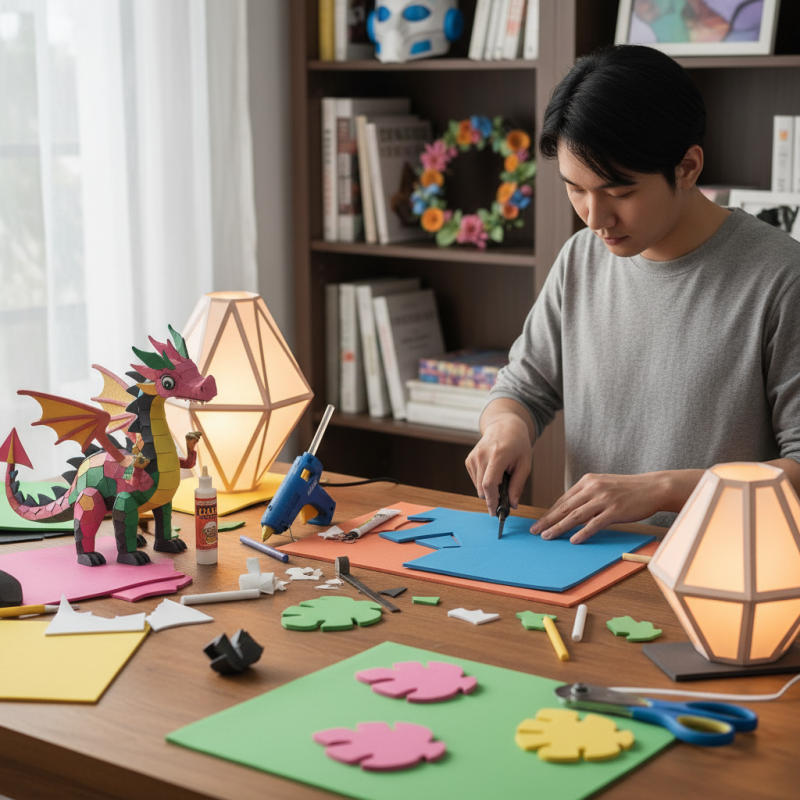
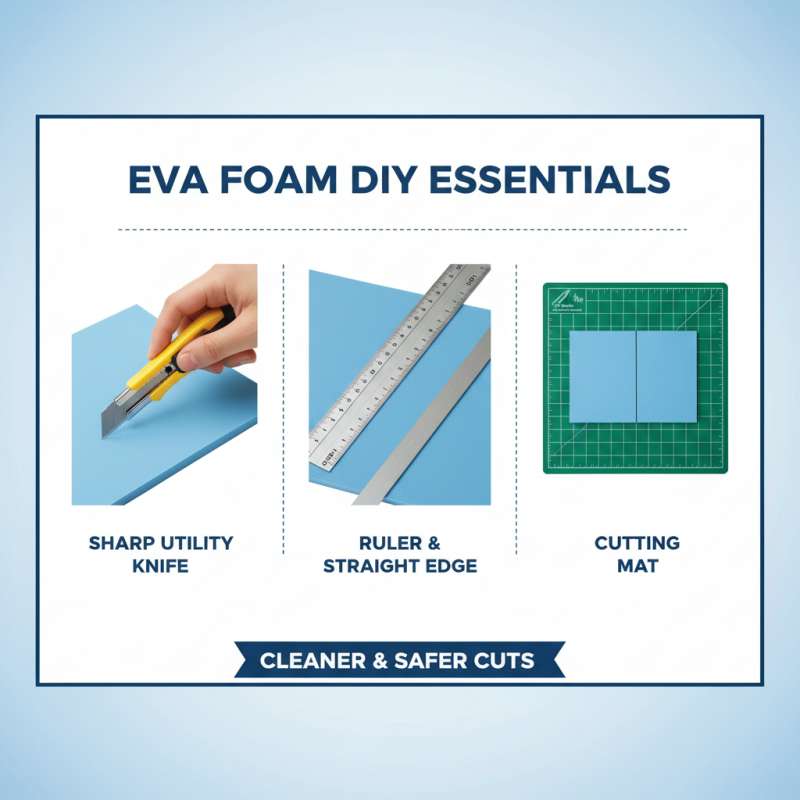
When starting your DIY projects with Eva sheet roll, having the right tools and materials is crucial. You need a sharp utility knife for precise cuts. A straight edge or ruler helps in measuring and getting straight lines. Don’t forget a cutting mat to protect your work surface. This combination will make your cuts cleaner and safer.
In addition to cutting tools, adhesive is essential. A strong glue or double-sided tape can keep your pieces together. You might also use clamps to hold larger sections while the adhesive dries. Keeping some craft scissors handy is useful for smaller details. Sometimes, the right tools can make the difference, or not. It might take a few tries to find what works best for your project.
Additionally, consider waterproofing materials if your project will be exposed to moisture. A clear sealant can provide a protective layer. Always test the adhesive on scrap pieces first. You want to avoid any surprises in your final product. Reflect on what didn’t work well in past projects. Learning from mistakes can enhance your future creations.
Step-by-Step Guide to Cutting and Shaping Eva Foam for Your Projects
Using EVA sheet roll for DIY projects can be a fun and creative experience. To start, gather your materials. You will need a cutting mat, a sharp utility knife, scissors, and a ruler. Measure the area where you want to apply the EVA foam. Remember to double-check your measurements. Mistakes happen, and it's crucial to know that precision is key.
When you cut the EVA foam, take your time. Use a straight edge to guide your knife. This ensures clean edges, but don’t stress if your cut isn’t perfect. It’s part of the process. If you notice uneven edges, you can trim them later. After cutting, consider shaping the foam. Heat tools can create curves, but they take practice. Test on a small piece first. Sometimes, the heat can warp or burn the material.
Once shaped, attach the pieces together with adhesive. It may take a while to get it right. Be patient, as sometimes the glue doesn’t hold as expected. If the foam separates, it’s a chance to experiment with better adhesives. Every project teaches valuable lessons, even if they don’t turn out perfectly. Keep trying different techniques to find what works for you. Enjoy the creative journey!
DIY Projects with Eva Sheet Roll
Creative Applications of Eva Sheet Roll in Arts and Crafts
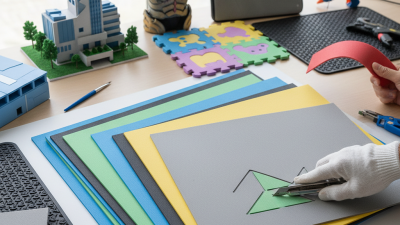
Eva sheet roll is a versatile material used in various art and craft projects. Its flexibility and durability make it a favorite among DIY enthusiasts. You can easily cut it into different shapes. This allows for endless creative options. Imagine making colorful decorations for a party. You can create custom banners or unique table centerpieces. The possibilities are vast.
Consider making foam toys or whimsical costumes. Eva sheets can be painted or glued. This enhances their visual appeal. One might struggle with precise cutting. Experimenting with different tools can help. Using a sharp blade often yields cleaner edges. Also, layering sheets can add depth to your designs. Sometimes, the glue doesn’t hold well. Testing various adhesives can lead to better results.
Crafting with Eva sheets may require some patience. Mistakes happen, and that’s okay. If a project doesn’t turn out as imagined, it’s a learning experience. Perhaps the colors clash, or the shapes don’t fit. Embrace these imperfections. They often lead to unexpected creativity. By reflecting on what didn’t work, you can improve your skills for the next project.
Safety Considerations and Best Practices When Using Eva Sheet Roll
When working with EVA sheet rolls, safety should always be a top priority. According to industry reports, improper handling can lead to hazardous situations. For instance, using sharp tools without adequate protection can result in cuts. A cut may seem minor, but it can lead to serious infections if not treated properly. Always wear gloves and safety goggles when cutting or shaping EVA sheets.
Work in a well-ventilated area. EVA is generally considered safe, but fumes can occur when heating the material. Reports indicate that prolonged exposure to fumes may cause respiratory discomfort. Ensure adequate airflow and consider using a mask if you are sensitive to chemicals. Another aspect to consider is the surface you are working on. A clean, flat surface will help you avoid accidents, and cluttered spaces can create hazards.
Keep your workspace organized. Small scraps from the sheets can easily become tripping hazards. In fact, according to a National Safety Council report, clutter contributes to over 80% of workplace accidents. When doing DIY projects with EVA, remember to manage waste efficiently. Dispose of materials responsibly, and refrain from leaving scraps unattended. This discipline not only enhances safety but also reflects personal responsibility in crafting practices.
How to Use Eva Sheet Roll for DIY Projects? - Safety Considerations and Best Practices When Using Eva Sheet Roll
| Project Type |
Recommended Thickness (mm) |
Usage Tips |
Safety Considerations |
| Floor Mats |
10 |
Ensure a smooth surface; use a utility knife for precise cuts. |
Wear gloves to avoid cuts; work in a well-ventilated area. |
| Craft Projects |
2-5 |
Use scissors or a cutting mat; consider adding embellishments. |
Keep materials away from heat sources; use non-toxic adhesives. |
| Toys and Models |
3-6 |
Assemble pieces securely; test for durability. |
Avoid choking hazards; supervise children during use. |
| Art Projects |
2-4 |
Experiment with colors and textures; use appropriate tools. |
Ensure proper ventilation when using paints; handle sharp tools carefully. |
| Home Decor |
5-8 |
Choose a color scheme; use washable materials. |
Keep away from open flames; use safe adhesives. |