How to Choose the Right Eva Board Sheet for Your Needs?
Choosing the right Eva Board Sheet can be a challenging task. With numerous options available, it’s easy to feel overwhelmed. John Mitchell, a renowned expert in materials science, once said, "Selecting the right material is crucial for project success." This statement rings true when it comes to Eva Board Sheets.
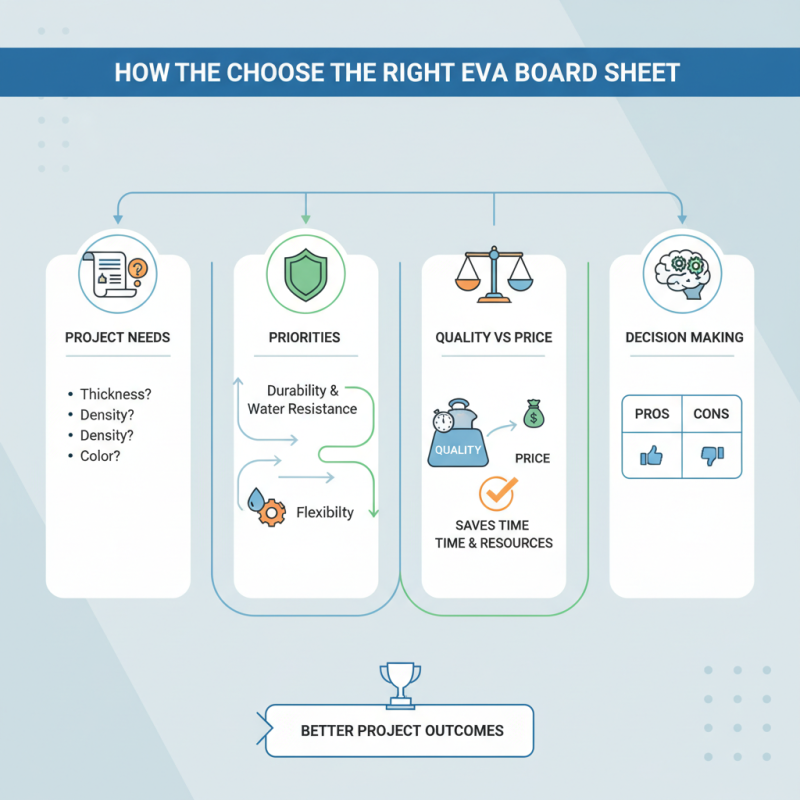
The specific needs of your project will dictate the type of Eva Board Sheet you require. Factors like thickness, density, and color should not be overlooked. It's important to reflect on your project requirements. Are durability and water resistance priorities? Or is flexibility more important? Understanding these details can help in making an informed choice.
Many buyers fall into the trap of prioritizing price over quality. While cost is a factor, it should not be the only consideration. Selecting a high-quality Eva Board Sheet can save time and resources in the long run. The right choice can enhance durability and lead to better outcomes for your project. Always remember to weigh the pros and cons of each option before making a decision.
Understanding the Basics of Eva Board Sheets
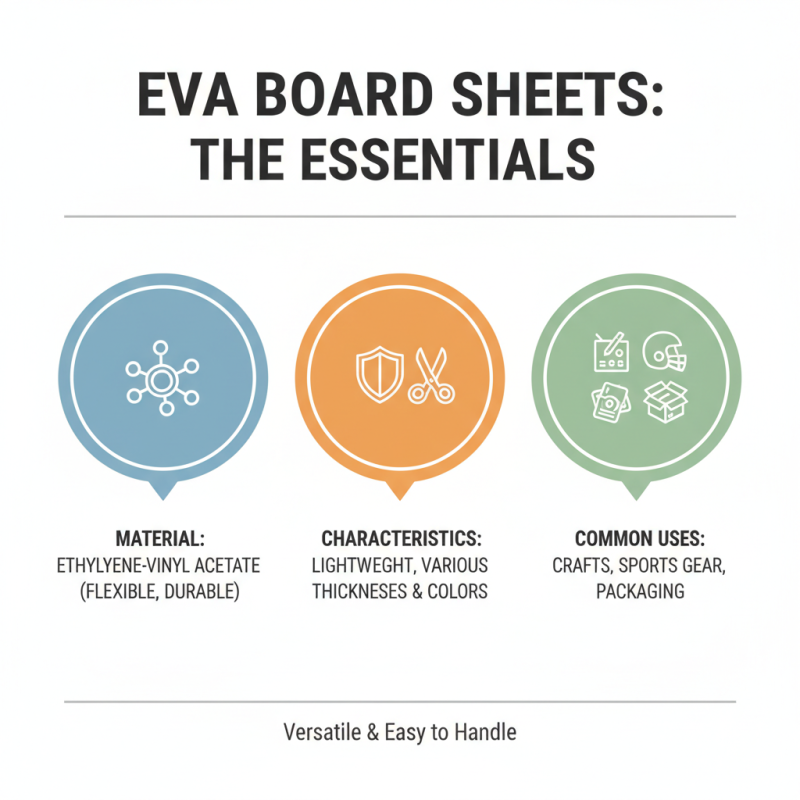
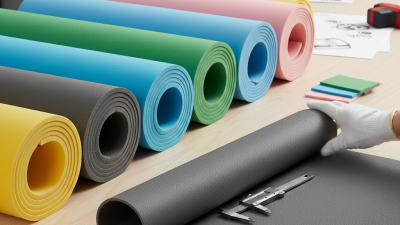
When choosing an EVA board sheet, understanding its basics is crucial. EVA stands for ethylene-vinyl acetate, a durable, flexible material. These sheets are commonly used for crafts, sports equipment, and packaging. Their lightweight nature makes them easy to handle. You might find them in various thicknesses and colors, catering to different needs.
Evaluating the properties of EVA sheets is essential. They offer good shock absorption and resistance to UV rays. This makes them suitable for outdoor use. However, not all EVA sheets are created equal. Some may lack flexibility, making them less ideal for intricate designs. It’s important to consider where and how you plan to use them. A craft project may require a softer sheet, while outdoor gear might need something sturdier.
Don't overlook the environmental impact. Some sheets are more sustainable than others. Researching the production process can reveal a lot about a product's reliability. Additionally, think about availability. Wider selections might tempt you, but ensure the quality matches your requirements. Be cautious of overselling; not every colorful sheet is perfect for your project. Discerning your needs clearly will guide you to the right choice.
Identifying Your Specific Needs and Requirements
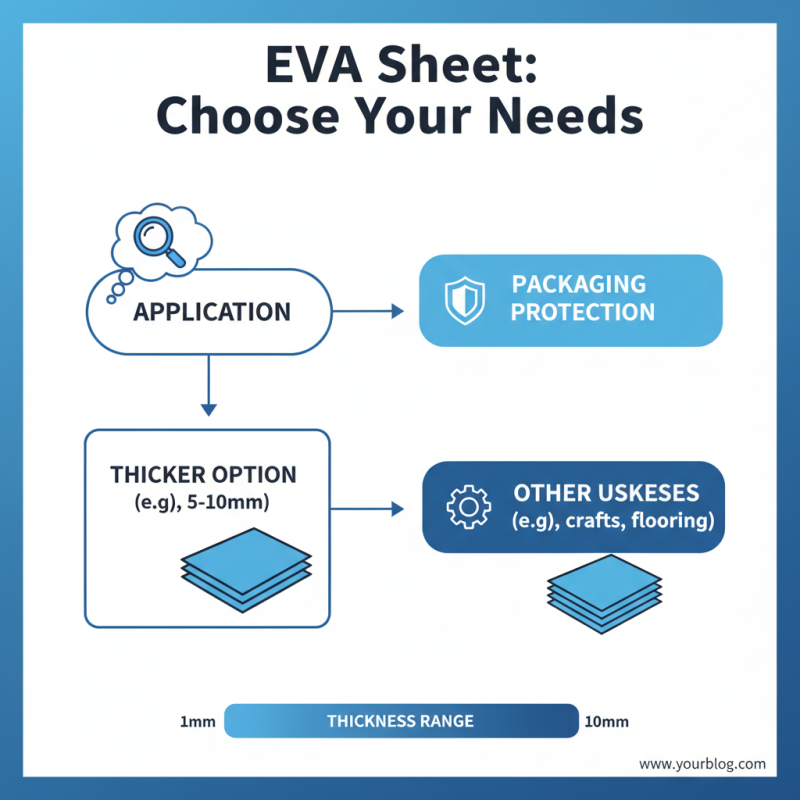
When selecting an EVA board sheet, it's crucial to assess your specific needs. The application will heavily influence your choice. For instance, if you're using the sheet for protection in packaging, you may need a thicker option. Reports show that EVA sheets range from 1mm to 10mm in thickness, each serving distinct purposes.
Consider the environment where the board will be used. Humidity and temperature can affect EVA's performance. According to industry data, EVA sheets used in outdoor settings require UV resistance. Moreover, the texture of the board matters. A smooth finish works well for displays, while a textured surface may offer better grip for sports equipment.
Also, reflect on the longevity you expect from the material. EVA is known for its durability, but not all sheets are created equally. It may be wise to seek sheets with a high-density formulation for long-term projects. Remember, the balance between flexibility and sturdiness is vital. Data indicates that overly rigid sheets can crack under pressure, while too much flexibility compromises support. Understanding these factors is key to making the right choice.
Evaluating Different Types of Eva Board Materials
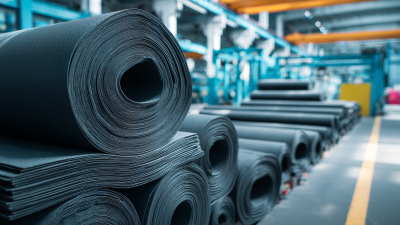
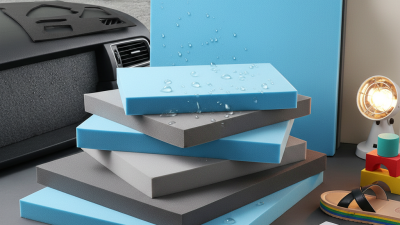
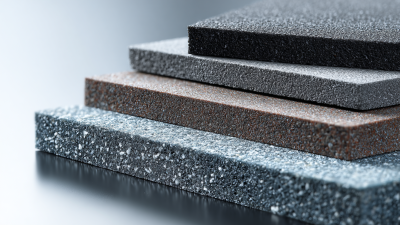
Choosing the right EVA board material is essential for various applications. Consider the thickness, density, and color, as these factors greatly impact performance. EVA boards come in multiple forms, including solid sheets, foam, and reinforced options. Each type serves different purposes, from crafting to industrial uses. For example, solid sheets offer durability, while foam variations provide cushioning.
When evaluating materials, focus on how they will be used. Testing the bendability of EVA sheets can reveal if they meet your needs. Additionally, consider the environmental impact of your choice. Not all EVA boards are recycled or biodegradable. Always keep in mind the longevity of the material in your specific application.
Tips: Look for suppliers with certifications. This ensures the material is safe and reliable. Also, do not hesitate to request samples. This allows for better decision-making based on tangible products. Lastly, reflect on previous uses of EVA boards. Learning from past experiences can guide future purchases.
Comparison of Different Types of EVA Board Materials
Comparing Thickness and Density Options for Performance
When choosing an Eva board sheet, thickness and density are crucial factors. The thickness affects flexibility and durability. Thicker sheets often provide better shock absorption. They can withstand harsh impacts during activities. However, excessive thickness might reduce maneuverability. It can feel cumbersome when performing precise movements.
Density is equally important. A denser Eva board sheet offers more support and stability. This can be helpful for heavy-duty use, like in professional sports. Yet, higher density may lead to a stiffer feel. Some users might find this uncomfortable. It’s essential to balance density with your specific needs.
Testing various options can provide insights. Experiment with different thicknesses and densities. This helps identify what feels best for your activity. Reflecting on personal experiences will guide your decision. What works well for one person may not suit another. Aim for a sheet that aligns with your performance goals. This process can be enlightening but requires thoughtful consideration.
How to Choose the Right Eva Board Sheet for Your Needs? - Comparing Thickness and Density Options for Performance
| Thickness (mm) |
Density (kg/m³) |
Hardness (Shore D) |
Recommended Use |
| 3 |
25 |
40 |
Casual footwear, lightweight applications |
| 5 |
30 |
45 |
Sport shoes, impact protection |
| 10 |
40 |
55 |
Professional sports gear, heavy-duty applications |
| 15 |
50 |
60 |
Industrial use, robust cushioning |
Considering Environmental Impact and Sustainability Choices
When selecting an EVA board sheet, it's essential to consider its environmental impact. Many EVA materials are derived from non-renewable resources, which raises sustainability concerns. Biodegradable options are emerging, allowing for safer disposal. Choosing products with lower carbon footprints can minimize your ecological footprint significantly.
Tips for making responsible choices include researching suppliers. Look for those who prioritize eco-friendly practices. Verify the materials they use and their manufacturing processes. This diligence can lead you to better options that align with your values. Sustainable products often offer transparency, which enhances trust.
Another important aspect is waste management. EVA sheets are durable, but when they reach the end of their life, consider recycling. Some manufacturers provide take-back programs. Participating in these programs supports a circular economy and reduces landfill waste. It’s a small step that can lead to significant change over time. Reflecting on your purchases and their long-term impact can lead to better decisions.