How to Choose the Best Eva Sponge Sheet for Your Needs?
Choosing the right Eva Sponge Sheet can be challenging. With various options available, understanding your specific needs is crucial. According to Dr. Emily Carter, an expert in foam materials, "The quality of an Eva Sponge Sheet can significantly impact its durability and performance." This insight highlights the importance of making informed choices.
When selecting an Eva Sponge Sheet, consider factors such as density, thickness, and intended use. Each detail plays a role in the sheet's effectiveness for various applications. For example, higher density sheets may offer better support but can feel stiffer. Conversely, softer sheets provide comfort but might not last long under heavy use.
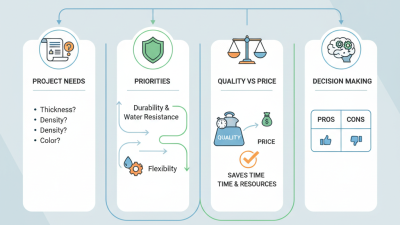
Reflecting on the complexities of selection can lead to better decisions. A misstep can result in wasted time and money. Ideally, understanding your unique requirements is essential for finding the best Eva Sponge Sheet suited to your needs. Taking time to evaluate your options, based on expert insights like those of Dr. Carter, will enhance your overall experience.
Understanding the Basics of Eva Sponge Sheets
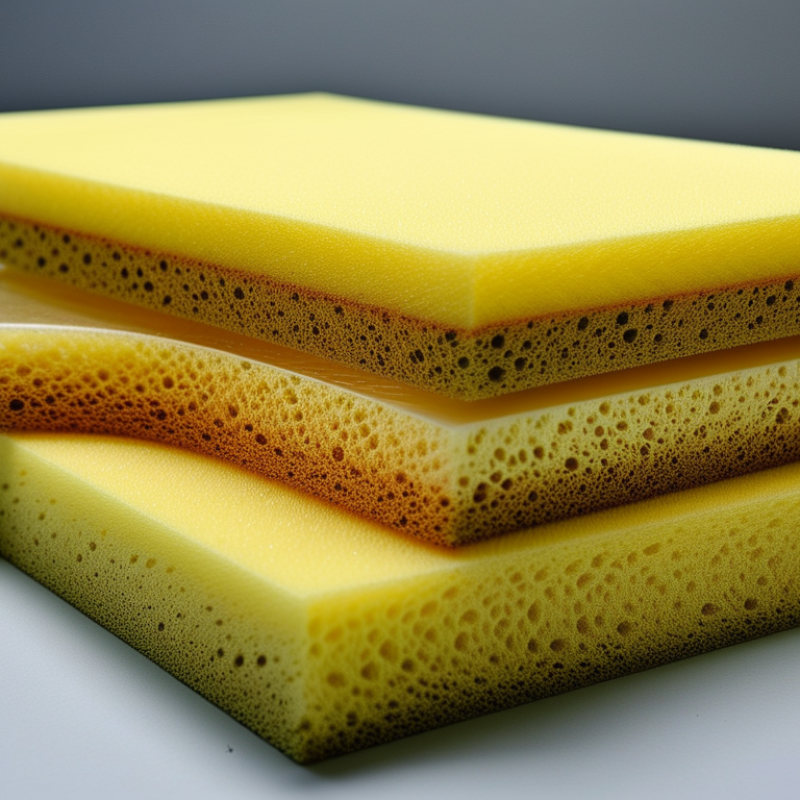
Eva sponge sheets are increasingly popular due to their unique properties. These sheets are made from ethylene-vinyl acetate, a flexible and durable material. They offer excellent cushioning and shock absorption. Many users find them useful for crafting, packaging, and various DIY projects.
When selecting an Eva sponge sheet, consider its thickness and density. Thicker sheets often provide better support and insulation. Density affects durability and how the sheet responds under pressure. For instance, a denser sheet might hold up better in high-impact applications. Understanding these characteristics can help tailor your choice to fit specific requirements.
Additionally, color and texture can influence the performance and aesthetics of your projects. Some sheets have a smooth finish, while others may be textured for grip. Users might struggle with deciding which type best fits their needs. Evaluating the desired application will guide these choices. A little reflection on your specific requirements can reveal the most suitable Eva sponge sheet for your projects.
Evaluating Different Types of Eva Sponge Material
When evaluating different types of EVA sponge material, consider your specific needs. EVA, or ethylene-vinyl acetate, is known for its flexibility and durability. There are various densities available, affecting firmness and cushioning. Softer options provide comfort, while firmer ones offer more support.
Thickness is also crucial. Thicker sheets typically absorb impact better, making them suitable for protective cushioning. However, they may not suit every application. A thinner sheet can be more versatile but may lack the support needed for certain uses.
Pay attention to color and texture. Depending on where you plan to use the material, these factors can influence performance. Different colors can signal variations in density or intended use. Additionally, the texture of the sponge plays a role in how it interacts with other materials.
When choosing EVA sponge sheets, keep in mind that perfect choices are rare. You may find a balance between softness and durability challenging. Always test samples before committing to a large purchase. Regularly reflect on how your chosen material meets your demands over time; this can guide future decisions.
How to Choose the Best Eva Sponge Sheet for Your Needs?
| Eva Sponge Type |
Density (kg/m³) |
Thickness (mm) |
Color Options |
Uses |
| Standard EVA Foam |
30 |
5 |
Black, Blue, Red |
Padding, Crafting |
| High-Density EVA Foam |
50 |
10 |
Black, Green |
Sports Equipment, Insulation |
| Soft EVA Foam |
25 |
8 |
Pink, Yellow |
Toys, Footwear |
| Closed Cell EVA Foam |
40 |
12 |
White, Gray |
Marine Use, Floatation |
| Antimicrobial EVA Foam |
35 |
6 |
Blue, White |
Healthcare, Hygiene Products |
Assessing Thickness and Density for Specific Applications
When selecting an EVA sponge sheet, thickness and density play crucial roles. Your application determines what you need. For cushioning, a thicker sheet may offer better impact absorption. However, thicker sheets can be heavier and bulkier, impacting usability. Evaluating your specific task is essential.
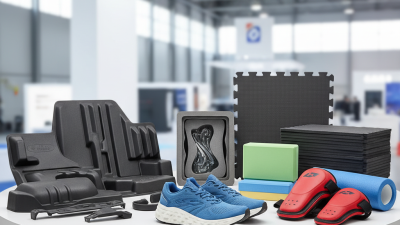
Density is another important factor. A high-density EVA sponge provides durability. It resists wear and tear, ideal for long-term applications. Conversely, lower density sheets are lightweight and often more flexible. Flexibility can be beneficial in specific scenarios, such as crafting or certain sports applications.
Keep in mind, not every EVA sponge meets all needs. Experimenting with different thicknesses can yield surprising results. You might find that a medium thickness balances stiffness with comfort better than one that is too thick or too thin. Testing samples from suppliers helps you make a more informed decision. Understanding your requirements, including weight limits and flexibility, can greatly influence your choice.
Considering Durability and Longevity of Eva Sponge Sheets
When selecting Eva sponge sheets, durability and longevity are crucial factors. These sheets should withstand various conditions, from heavy foot traffic to exposure to moisture. High-density sheets often outperform lower-quality options in terms of lifespan. Analyzing the material composition can reveal how well they resist wear and tear. Look for features like tear resistance and firmness. Thickness also matters; thicker sheets might offer better protection but could feel more cumbersome.
Another aspect to consider is maintenance. Some Eva sponge sheets require specific cleaning methods to ensure longevity. Regular upkeep can prevent degradation. However, not all users follow proper care procedures, which leads to premature wear. It’s essential to reflect on your usage patterns. Are you using the sheets in a high-stress environment? If so, investing in more durable options is wise. Understanding your personal needs can help you choose the right product while maximizing its life expectancy. Choosing the best Eva sponge sheets means balancing durability with practical use.
Identifying Cost-Effective Options for Your Budget Needs
When selecting an EVA sponge sheet, it’s essential to consider your budget. Many options are available, but not all are cost-effective. Look for sheets that blend quality with affordability. This approach ensures you don’t sacrifice performance for price. Pay attention to thickness and density, as these factors affect durability and comfort. A thicker sheet may cost more upfront but can last longer, ultimately saving you money.
Explore local vendors and online marketplaces. Compare prices and read user reviews. Look for feedback on performance over time. Some products may appear cheap but could wear out quickly. Check the specifications to ensure you’re investing wisely. It's important to ask questions if you are uncertain. Inquire about return policies and warranties, which can offer peace of mind.
Keep in mind that what works for one person may not suit another. Everyone has different needs and preferences, which can complicate your decision. Flexibility in your choice can lead to better outcomes. Weigh the pros and cons carefully. Sometimes, a price tag can be misleading. Aim to balance cost with quality for a satisfactory purchase.