Global shipping exposes products to vibration, compression, humidity, temperature changes, and repeated handling. Eva Foam Packaging helps create a resilient barrier around fragile goods. It cushions impact without adding excessive weight.
The Smithers report, The Future of Global Packaging to 2028, estimates that the worldwide packaging market will approach 1.2 trillion US dollars by 2028. Meanwhile, IATA reports that air cargo carries more than 35% of global trade value, despite representing less than 1% of trade volume. That imbalance makes lightweight protection strategically important. Every gram matters.
Eva Foam Packaging can be die-cut around instruments, electronics, bottles, and precision components. Its closed-cell structure resists water absorption and supports stable cushioning. In a shipping crate, it can hold a product firmly, leaving fewer empty spaces for movement. Picture a camera arriving with its lens still aligned. That is the practical advantage.
Dr. Susan Selke, a packaging researcher and author, has emphasized, “Packaging is a system, not a single material.” Her point matters here. EVA foam cannot solve poor carton design, weak sealing, or careless palletization. It is not magic.
However, well-engineered EVA Foam Packaging can reduce scuffing, shock damage, and replacement shipments. It may also improve customer confidence across long supply chains. Material density, foam thickness, compression set, and environmental goals require testing. A design that protects glass may fail under heavy machinery. This is where experience matters.
The choice deserves reflection. Lower cost is not always lower risk. A slightly stronger insert may prevent a much larger commercial loss. Shipping success is measured at the destination, not at the packing table.
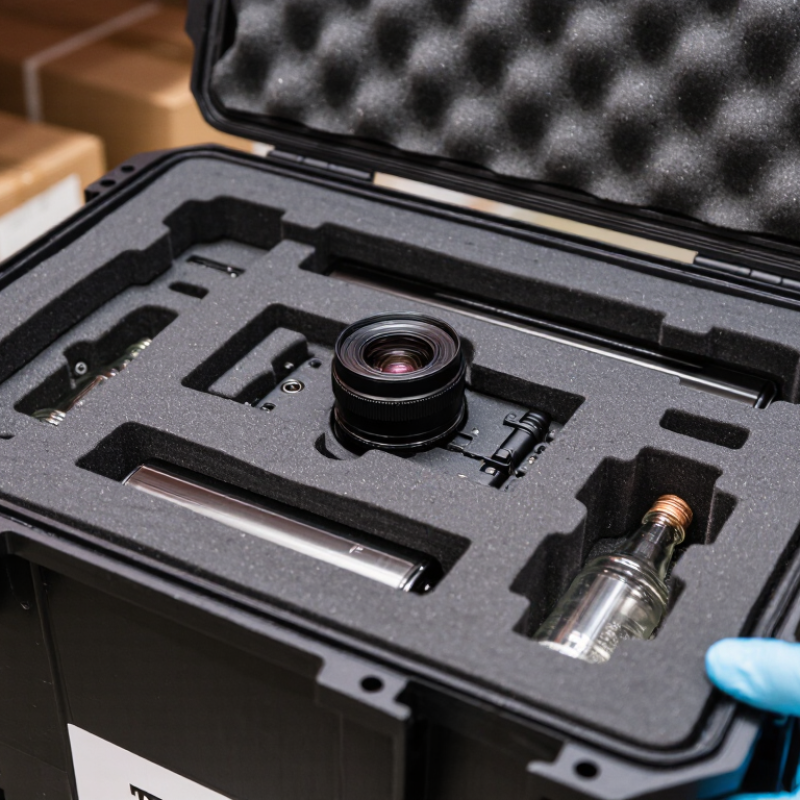
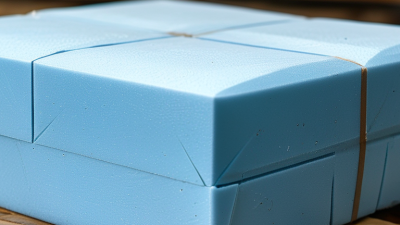
EVA foam packaging is a lightweight cushioning system made from ethylene-vinyl acetate. Its closed-cell structure contains tiny sealed air pockets. These pockets compress when a parcel experiences impact, vibration, or pressure. The foam then spreads the force across a wider area. It does not eliminate damage. It reduces concentrated stress around fragile edges and surfaces.
Converters usually cut EVA foam into trays, layers, or fitted inserts. A close fit prevents products from moving inside the carton. Different foam densities can support different shipping risks. Softer EVA cushions delicate surfaces, while denser grades provide stronger structural support. In practical packing tests, drop height, product weight, temperature, and repeated impacts all matter. A beautiful insert can still fail if the cavity is too loose. That part deserves more testing.
Global transport increases the need for controlled cushioning. The International Air Transport Association reported 58.3 million tonnes of air cargo transported in 2023. Each handling stage can add vibration or sudden impact.
The World Bank estimates that global municipal solid waste reached 2.01 billion tonnes annually, with at least 33% unmanaged in an environmentally safe way. This makes material reduction important. EVA can be reusable and precisely sized, but it is not automatically sustainable. Designers should minimize excess foam, verify durability, and plan responsible end-of-life handling. Data from ASTM cushioning tests can guide material selection, although laboratory results cannot perfectly reproduce every shipping route.
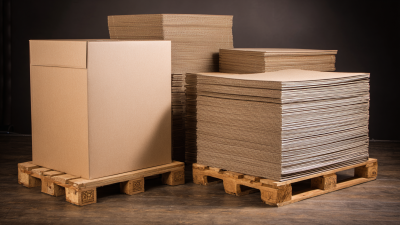
Why Choose EVA Foam Packaging for Global Shipping?
Which Protective Properties Make EVA Foam Suitable for Shipping?
EVA foam protects products through a combination of cushioning, flexibility, and low weight. Its closed-cell structure helps absorb shocks from drops, vibration, and rough handling. This matters when a parcel travels through trucks, warehouses, and aircraft. EVA foam also resists moisture better than many open-cell materials. It can help protect surfaces from damp conditions and short-term condensation. However, it is not waterproof packaging by itself.
The foam’s flexibility allows it to fit around electronics, instruments, tools, and fragile components. Proper density is important. Soft foam may cushion light items, while denser foam can support heavier products. EVA foam also offers useful insulation against sudden temperature changes. It does not eliminate every shipping risk. Poor fitting, repeated compression, or excessive pressure can still damage the product. In practice, packaging teams should test real samples under vibration, compression, and drop conditions. My experience suggests that a perfect-looking insert can still perform poorly when the fit is slightly loose.
Tips: Measure the product carefully before cutting the insert. Leave enough space for cushioning, but avoid unnecessary movement. Check compression recovery after storage. Add a moisture barrier when shipments may face condensation. Consider recyclable or reduced-volume designs where practical. A lighter package can lower transport strain, but reducing foam too aggressively may weaken protection.
| Protective Property | Typical EVA Foam Performance | Shipping Benefit | Practical Consideration |
|---|---|---|---|
| Impact and shock absorption | Closed-cell foam absorbs and distributes impact energy during handling, vibration, and drops. | Helps reduce dents, scratches, and breakage caused by loading, unloading, and parcel movement. | Protection depends on foam density, thickness, shape, and the fragility of the product. |
| Compression resistance | EVA foam is available in different densities and firmness levels, allowing cushioning to be matched to load requirements. | Supports products while limiting movement and reducing contact with the outer carton. | A compression test is recommended for heavy products or long-duration stacking. |
| Low water absorption | The closed-cell structure absorbs very little water compared with open-cell cushioning materials. | Helps protect packaged goods from humidity, condensation, and brief exposure to splashed water. | EVA foam is water-resistant, not automatically waterproof; the carton and sealing system also matter. |
| Buoyancy and lightweight design | Typical EVA foam densities commonly fall within approximately 30–250 kg/m³, depending on formulation and grade. | Adds cushioning without substantially increasing shipment weight, which can help control freight costs. | Actual density should be selected according to product weight and required protection level. |
| Flexibility and resilience | EVA can flex around irregular shapes and recover from moderate deformation after compression. | Maintains a close fit around products and helps limit shifting inside the package. | Repeated heavy compression may cause permanent set, so long-term loads require validation. |
| Vibration dampening | The elastic foam structure helps attenuate some vibration transmitted through pallets, vehicles, and conveyor systems. | Useful for electronics, instruments, tools, and other products sensitive to repeated movement. | Performance varies with frequency, temperature, foam thickness, and product mass. |
| Temperature flexibility | Many EVA grades remain flexible across a broad temperature range, although exact limits depend on formulation. | Provides more consistent cushioning during international transport through changing climates. | Confirm the supplier’s temperature range when shipments may experience extreme heat or cold. |
| Surface protection | Soft, non-abrasive surfaces can be produced with smooth or molded finishes. | Helps prevent rubbing, scuffing, and cosmetic damage during transit. | Clean foam and appropriate surface texture are important for polished, painted, or coated products. |
| Custom fit and dimensional stability | EVA can be die-cut, routed, laminated, or molded into product-specific cavities and inserts. | A custom fit improves immobilization and can reduce empty space inside the shipping container. | Accurate product measurements and tolerances are needed before tooling or cutting. |
| Chemical and moisture resistance | EVA generally resists dilute water-based substances and many common environmental exposures, but compatibility is grade-specific. | Adds a protective barrier against ordinary handling conditions and minor contamination. | Test compatibility with oils, solvents, fuels, strong chemicals, and sensitive product finishes before use. |
Note: Performance values and characteristics are typical industry guidance. Final packaging selection should be verified through product-specific drop, vibration, compression, temperature, and transit testing.
Global shipping exposes products to repeated shocks, vibration, compression, humidity, and sudden temperature changes. UNCTAD’s Review of Maritime Transport reports that over 80% of global merchandise trade moves by sea. A parcel may spend weeks inside containers, ports, trucks, and warehouses. EVA foam helps absorb impact energy before it reaches the product.
Its closed-cell structure provides resilient cushioning with low water absorption. Custom-cut cavities hold items firmly and reduce movement inside the carton. This matters during handling, when a box can slide, drop, or receive pressure from stacked cargo. EVA also resists many oils and common chemicals, supporting more stable protection in mixed logistics environments. It is not magic. Poorly sized cavities can still allow dangerous movement.
ISTA Testing · Air Cargo · Ocean Freight ISTA testing procedures commonly evaluate packaged products through drops, vibration, compression, and atmospheric conditioning. These tests reflect real distribution stresses more reliably than appearance alone. IATA’s 2024 air cargo analysis recorded approximately 58.8 million tonnes transported by air in 2023, showing how widely packaging must perform across different networks. Air shipments face rapid handling, while ocean shipments face longer exposure and heavier stacking.
A practical design should match foam density, thickness, and cavity geometry to the product’s weight and fragility. Too-soft foam may bottom out. Too-hard foam may transfer shock. Engineers should validate the complete package through recognized distribution testing, then inspect damaged samples honestly. That review often reveals overlooked corners, loose lids, or weak carton walls.
EVA foam packaging works best when its design matches the product’s shape, weight, and handling risks. A flat sheet may protect lightweight accessories, but it offers limited control during long-distance transport. Custom-cut cavities hold each item in place and reduce movement inside the carton. Small details matter.
For electronics, use dense, anti-static EVA when electrical components may face repeated handling. Add separate pockets for cables, adapters, and screens. Fragile glass items need deeper cavities, soft contact surfaces, and enough spacing from the outer box. For tools or industrial parts, thicker EVA with higher compression resistance can prevent dents and edge damage. Layered inserts are useful when one package contains several sizes or components. They also make unpacking more orderly.
Material selection should follow practical testing, not appearance alone. Packaging specialists normally check cavity tolerance, foam recovery, product weight, and temperature exposure. Drop, vibration, and compression tests can reveal weaknesses before shipment. A foam insert that feels firm may still transmit shock if the cavity is too large. Conversely, an overly tight fit can press against delicate surfaces. EVA can also vary in density and surface finish, so supplier specifications deserve careful review. I have seen packaging plans focus on the insert while ignoring the carton, which creates false confidence. The carton, foam, and product must work as one system. For global shipping, moisture-resistant surfaces and clear inspection points can support more reliable handling.
International shipping exposes products to drops, vibration, compression, humidity, and changing temperatures. EVA foam packaging should be designed around the product, not a standard box. Measure every edge, connector, hinge, and fragile surface. Leave enough clearance for insertion, but avoid movement inside the package. A loose product can gain dangerous momentum during a truck transfer.
Use different foam densities for different protection zones. Softer EVA can cushion delicate surfaces, while firmer foam can support heavy corners and narrow projections. Design at least two contact layers when the product has glass, polished metal, or sensitive controls. Rounded cavities reduce pressure points. Ventilation gaps may also help prevent trapped moisture during long ocean routes.
Testing should reflect real shipping conditions. Drop tests, vibration tests, compression checks, and humidity exposure can reveal weak areas before production. In practical trials, a perfect-looking insert sometimes fails around a small corner. That detail matters. Review the foam thickness, cavity depth, box strength, and sealing method together. Packaging drawings should include tolerances, material density, and inspection points. Clear documentation supports consistent production across factories and reduces avoidable errors.
No design is perfect. Products change, and shipping routes change with them. A thoughtful engineer should revisit the package after field feedback, especially when customers report scuffed surfaces, broken clips, or difficult unpacking. The best EVA structure protects the product while allowing clean removal, efficient storage, and reliable handling by people who may never see its design.