How to Source Eva Rubber for Your Business Needs?
Eva Rubber is a versatile material widely used in various industries. Sourcing it for your business needs requires careful consideration. This guide will help you navigate the complexities of finding the right suppliers.
Understanding the quality and type of Eva Rubber you need is essential. Different applications demand different formulations. You may find that some suppliers offer a broader range than others. Evaluate their expertise in your specific area, as this can significantly impact your final product.
Building a solid relationship with suppliers is crucial. Trust and reliability play a major role in long-term success. Even small details, like delivery times and customer service, can make a big difference. Take your time, do your research, and do not hesitate to ask for samples. This process is not always straightforward, but the right approach can lead to rewarding partnerships.
Understanding EVA Rubber: Properties and Applications
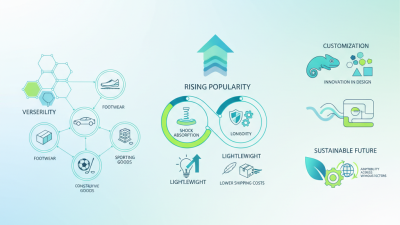
EVA rubber, or ethylene-vinyl acetate, is a versatile material known for its unique properties. It is lightweight, flexible, and resistant to UV radiation and stress. These qualities make it popular in various applications, such as footwear, sports equipment, and packaging materials. Its ability to withstand high impacts ensures that products made from EVA rubber are durable and long-lasting.
In construction and automotive industries, EVA rubber provides excellent insulation. Its waterproof nature helps protect sensitive items from moisture. However, sourcing quality EVA rubber can present challenges. There are varying grades available, and understanding the differences plays a crucial role in selecting the right type for your needs. Additionally, the production process can vary, affecting sustainability and performance.
Despite its many benefits, EVA rubber isn’t perfect. It can degrade over time when exposed to harsh environments. This poses a concern for applications requiring prolonged exposure to extreme conditions. Businesses should engage with reliable suppliers who understand these limitations. They can provide insights into sourcing high-quality materials that fit specific use cases.
Identifying Suppliers: Where to Source EVA Rubber
When sourcing EVA rubber, identifying reliable suppliers is crucial.
Start by researching online marketplaces that specialize in industrial materials. These platforms often have user reviews and ratings. You can assess suppliers based on their credibility. Look for those that provide detailed product specifications and customer support.
Networking plays a significant role in finding quality suppliers.
Attend industry trade shows or conferences. These events are great for meeting manufacturers and distributors face-to-face. Use this opportunity to discuss your specific needs. Ask about their minimum order quantities and delivery timelines. This can reveal a lot about their reliability and flexibility.
Direct inquiries are also essential. Reach out to potential suppliers with your requirements.
Their responses will help gauge their expertise and willingness to collaborate. If possible, request samples to test the rubber quality. However, some suppliers may not provide samples or have inconsistent communication. Reflect on these aspects; they might indicate deeper issues.
Evaluating Quality: Key Factors to Consider
When evaluating the quality of EVA rubber for your business, several key factors come into play. The density of EVA is critical; it typically ranges from 80 to 100 kg/m³. Higher density often indicates better durability and resistance to wear. Look for materials that meet these specifications. According to a report by Grand View Research, the EVA market is projected to grow significantly due to its expanding applications in the footwear and automotive industries.
Another essential factor is the tensile strength of the material. It generally should be about 15 MPa to ensure reliable performance under stress. Conducting tests for elongation at break is also vital; values over 200% are often desirable. This trait allows EVA rubber to withstand substantial deformation. Industry analyses show that products with these qualities tend to last longer, reducing costs over time.
Additionally, consider the environmental impact of the EVA sourced. While many suppliers may offer competitive pricing, understanding their production processes can reveal their sustainability practices. A holistic approach to sourcing—balancing quality, cost, and eco-friendliness—can be challenging but necessary. Engaging with industry experts can provide insights into the best practices for selection, aligned with your business needs.
Evaluating Eva Rubber Quality: Key Factors
Negotiating Pricing and Terms with EVA Rubber Suppliers
Negotiating pricing and terms with EVA rubber suppliers can be a daunting task. The key is to be well-prepared and informed. Start by researching the market prices for EVA rubber. Understand the quality variations and grading systems. This knowledge gives you leverage during negotiations. Always seek multiple quotes to compare options.
When discussing terms, consider minimum order quantities and delivery timelines. These factors greatly impact your costs. Don't hesitate to ask for samples. Test the quality before committing. Clear communication is essential. Misunderstandings can lead to costly mistakes.
Tip: Build a relationship with suppliers. Trust can facilitate better deals. A long-term partnership may yield better pricing over time. Be transparent about your needs. This helps suppliers meet your expectations effectively. Remember, negotiation is a skill. Practice and learn from each experience to improve your approach.
Ensuring Compliance: Regulatory Considerations for EVA Rubber Sourcing
When sourcing EVA rubber, compliance with regulatory standards is crucial. The global EVA market is projected to reach $10 billion by 2026, according to reputable industry reports. However, ensuring that your sourcing practices are compliant can be challenging. Regulatory frameworks vary by region, affecting import and export processes.
Manufacturers need to understand safety standards and material specifications. The International Organization for Standardization (ISO) establishes guidelines that are important for EVA rubber products. Failure to comply may lead to costly recalls. Research indicates that 30% of businesses faced compliance issues in the last year, indicating a pressing need for vigilance.
Additionally, it is essential to evaluate suppliers. Assessing their certifications and their adherence to environmental regulations is key. A lack of transparency in a supply chain raises concerns. Checking compliance documents can be tedious but necessary. The right approach mitigates risks, ensuring both product quality and regulatory adherence.
How to Source Eva Rubber for Your Business Needs? - Ensuring Compliance: Regulatory Considerations for EVA Rubber Sourcing
| Dimension |
Description |
Regulatory Considerations |
Sourcing Tips |
| Material Quality |
Evaluate the purity and performance characteristics of EVA rubber. |
Ensure compliance with ASTM D1056 standards. |
Request samples and conduct comparative testing. |
| Supplier Certification |
Check if suppliers have ISO or other relevant certifications. |
Verify certificates to avoid legal issues. |
Ask for documentation during supplier evaluation. |
| Environmental Impact |
Assess the environmental footprint of EVA rubber production. |
Follow EU REACH regulations and local environmental laws. |
Choose suppliers with sustainable practices. |
| Customization Options |
Determine if you need customized EVA formulations. |
Ensure any modifications comply with safety standards. |
Discuss options upfront with potential suppliers. |
| Cost Consideration |
Analyze costs including shipping, tariffs, and taxes. |
Understand the total landed cost for budgeting. |
Request detailed price breaks for larger orders. |